Because its dense array of species, clear waters, and varied habitats feel like a living aquarium.
I have spent years studying and visiting the Gulf of California. I know why is the sea of cortez called the world’s aquarium and I will explain it with clear facts and field insight. This article breaks down the science, the wildlife, the habitats, and the human story that together earned this bay of wonders its famous nickname. Read on to understand what makes this sea a compact, open-air marine museum and how you can experience and protect it.

What makes the Sea of Cortez unique
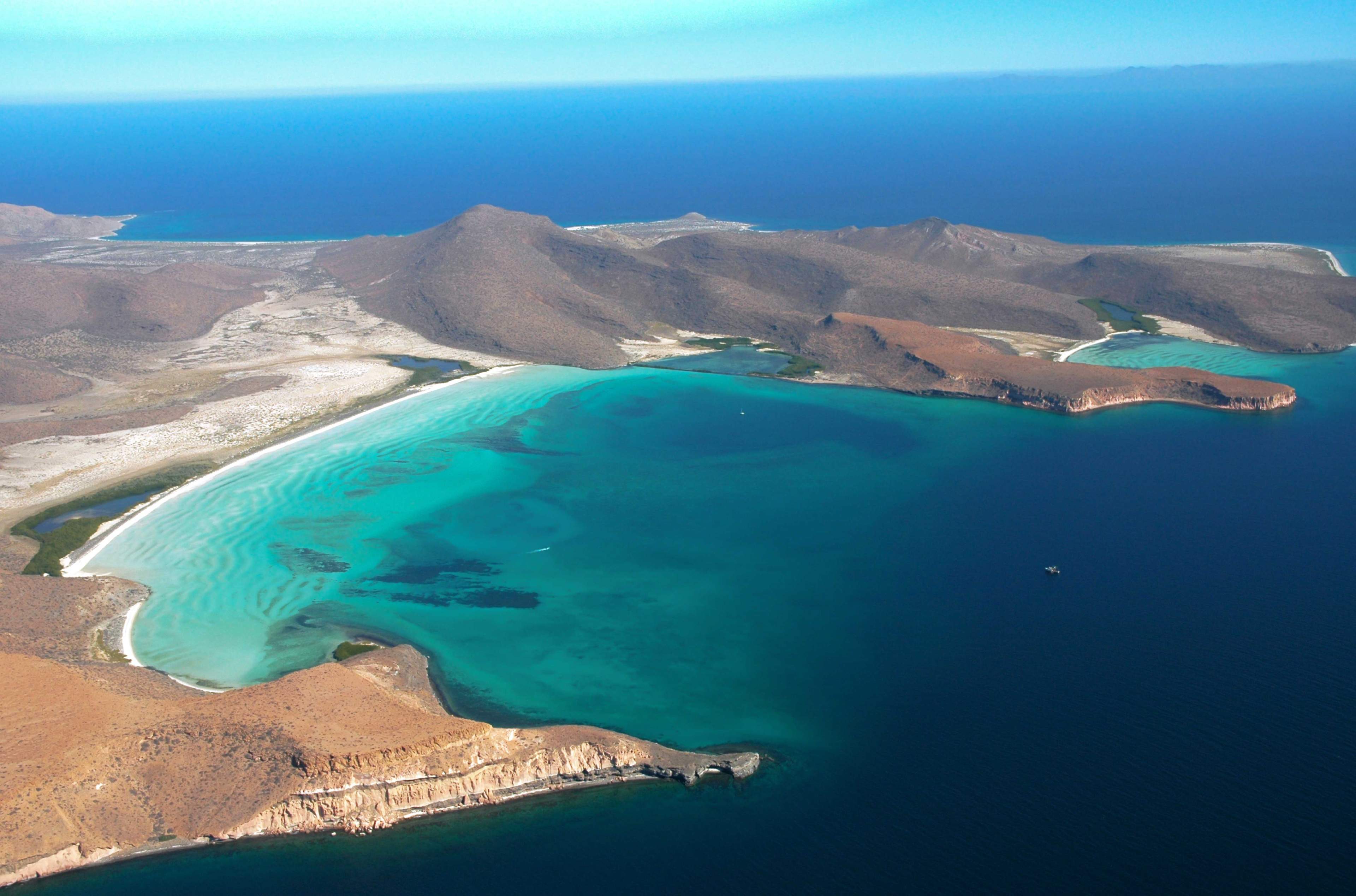
The Sea of Cortez sits between the Baja California peninsula and mainland Mexico. It mixes tropical and temperate waters. This mixing creates rare biological richness in a relatively small area. That ecological variety is the core reason why is the sea of cortez called the world’s aquarium.
- Rich species mix in close view. Shallow islands, deep basins, and coastline all sit near one another. This puts many habitats within short boat rides.
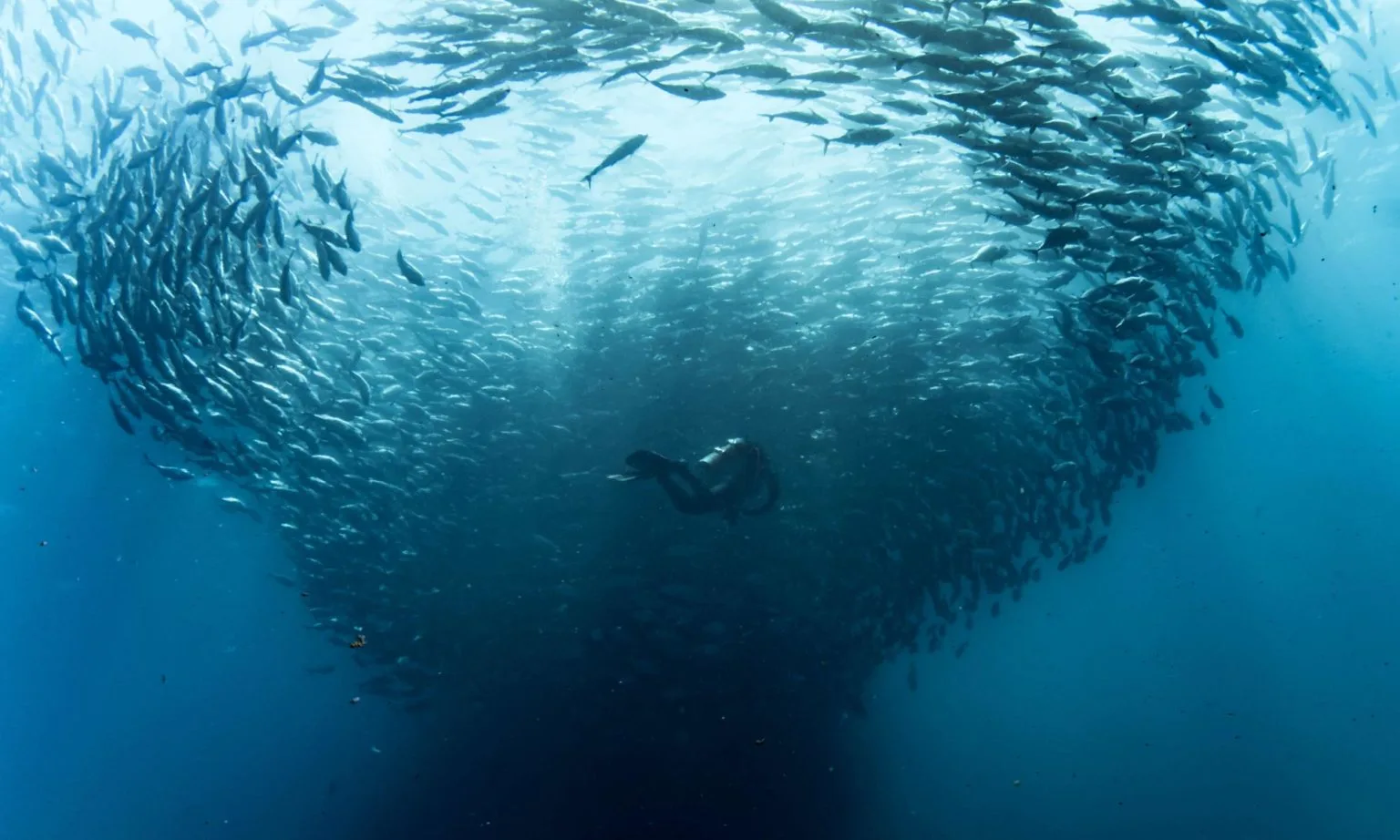
- Visible wildlife. From shore you can often spot sea lions, dolphins, and big schools of fish. The clear water and steep drop-offs help.
- Scientific value. The sea supports research, ecotourism, and conservation work because it concentrates so much diversity.
Biodiversity highlights that earned the nickname
The Sea of Cortez hosts an impressive list of marine life. That visual abundance is a big part of why is the sea of cortez called the world’s aquarium.
- Fish: Hundreds of species live here. You can find both tropical reef fish and temperate species.
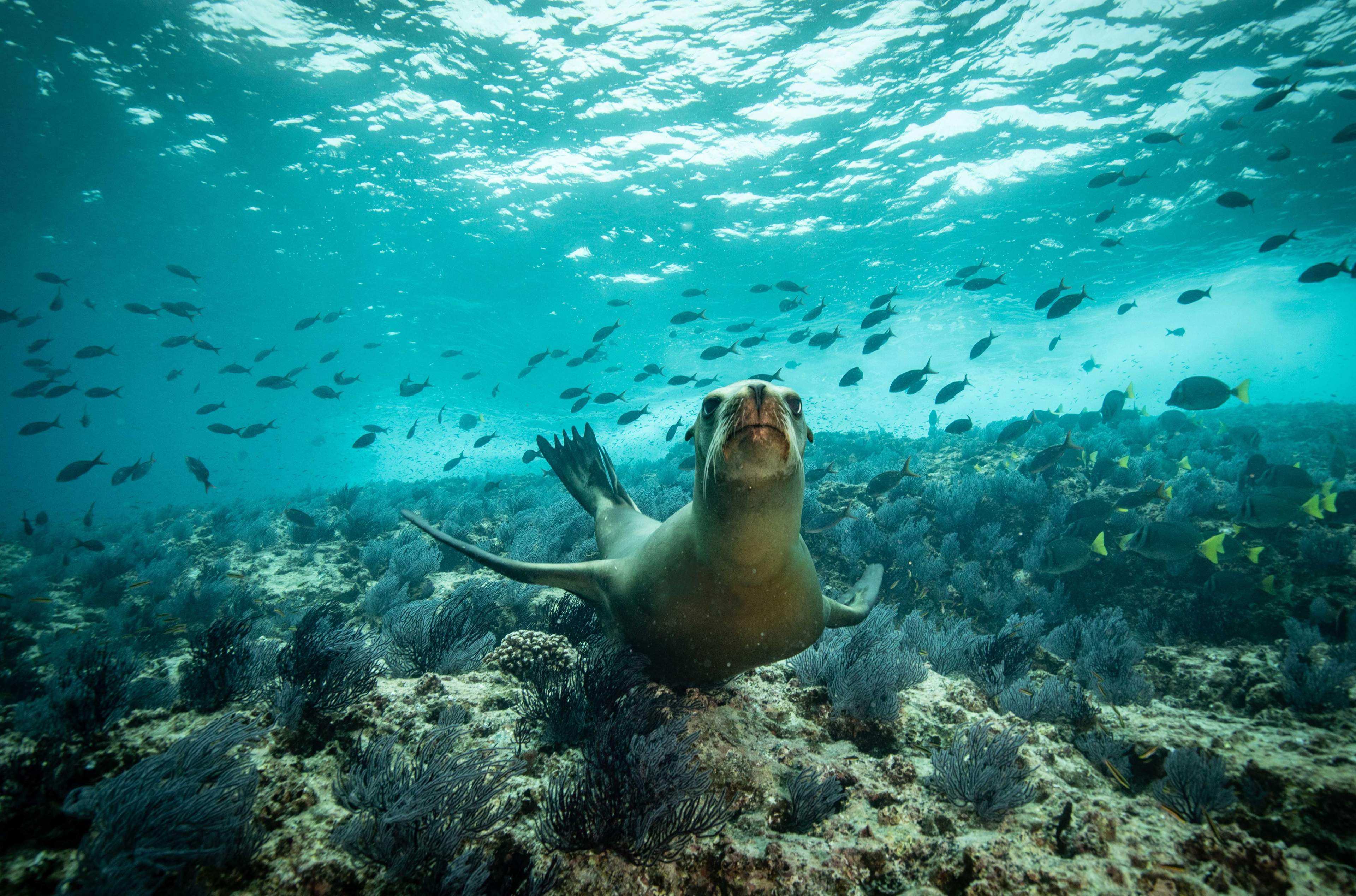
- Marine mammals: Whales, dolphins, and seals use the gulf for feeding and breeding. Gray whales, humpbacks, and whale sharks draw visitors.
- Endemics: Many species are found only in this sea. Endemic fish and invertebrates add to the uniqueness.
- Birds and intertidal life: Seabirds, mangroves, and tide pools complete the scene. They turn islands and shores into living exhibits.
My field notes from boat trips reinforce this. One morning I watched sea lions herd fish while pelicans dived close by. The scene felt like watching an aquarium set to nature’s program.

Oceanography and habitats that concentrate life
Physical factors create the “aquarium” effect. Knowing this helps answer why is the sea of cortez called the world’s aquarium.
- Upwelling and currents boost productivity. Nutrient-rich water rises in places and feeds huge plankton blooms. That supports fish, mammals, and birds.
- Wide temperature gradients. Warm tropical water meets cooler California currents. This overlap allows a mix of species.
- Habitat diversity in short distances. Coral-like rocky reefs, sandy flats, seagrass beds, mangroves, and deep basins sit close together. Life moves among them easily.
- Clear water in many areas. Visibility can be excellent, letting you see dense life in one glance.
These ocean features make spotting rare behaviors and species easier. That accessibility helped explorers and naturalists popularize the “world’s aquarium” label.
Human history, research, and the nickname
The name “world’s aquarium” grew from exploration and science. Naturalists and divers described the gulf’s compact beauty and abundant life. Over decades, media and ecotour operators amplified the phrase.
- Scientific expeditions found high species richness and many new records. Those findings gave credibility to the claim.
- Ecotourism helped spread the nickname. Whale watching, diving, and snorkeling made the sea famous to global audiences.
- Conservation attention followed. UNESCO recognition and marine reserves reflect the sea’s global value.
My own visits often accompanied biologists collecting data. Sharing those trips with guests turned curiosity into care. This human attention both explained and extended why is the sea of cortez called the world’s aquarium.

Threats, conservation, and why the label matters
Calling the area the world’s aquarium brings pride and pressure. The name helps conservation, but it also highlights threats that need action.
- Overfishing and illegal nets harm fish and rare species. The vaquita porpoise and totoaba are examples of species at extreme risk.
- Climate change shifts water temperatures and affects upwelling. This changes where and how species appear.
- Tourism impacts need management. Responsible ecotourism can fund protection but must be well managed.
Conservation measures, marine protected areas, and local stewardship help. The nickname keeps public focus on protecting a place that is both beautiful and fragile. That public interest is a key reason why is the sea of cortez called the world’s aquarium.
How to experience the "world’s aquarium" responsibly
Seeing this sea in person makes the label real. Use these practical tips to enjoy it and protect it.
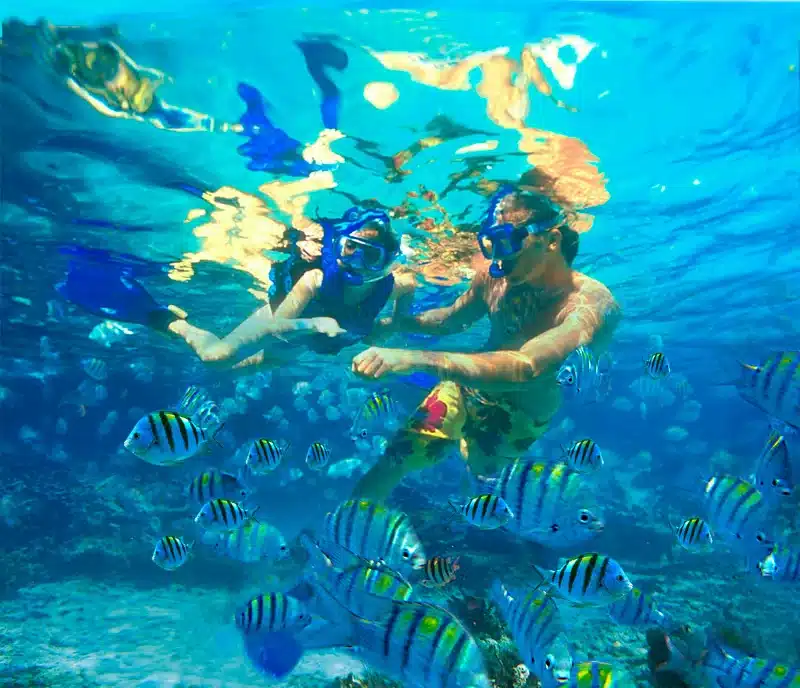
- Choose responsible operators. Look for guides that follow wildlife distance rules and support local conservation.
- Time your visit. Whale watching is best in winter for gray whales; whale sharks appear seasonally near La Paz.
- Support local science. Join citizen science trips or small conservation projects if possible.
- Practice leave-no-trace. Avoid single-use plastics and respect wildlife habitats.
On guided trips I have learned to prioritize small-group tours. They offer better wildlife viewing and lower impact. That approach helps keep the sea functioning like an open aquarium for future visitors.
Frequently Asked Questions of why is the sea of cortez called the world’s aquarium
Why is the Sea of Cortez called the world’s aquarium?
The sea is called the world’s aquarium because it packs many habitats and species into a small area. Clear water and visible wildlife make it feel like a natural aquarium.
Who first called it the world’s aquarium?
Naturalists and early ocean explorers popularized the name as they described the gulf’s dense life. Media and tourism later amplified the phrase worldwide.
What species make it feel like an aquarium?
Large schools of fish, sea lions, dolphins, whales, and rays are common sights. Endemic fish and colorful reef life add to the aquarium-like display.
Is the Sea of Cortez protected?
Yes. Many islands and coastal areas are protected under reserves and UNESCO designation. Protections vary by zone and enforcement remains a challenge.
How can tourists help preserve the Sea of Cortez?
Choose responsible guides, avoid plastic, and follow wildlife viewing rules. Supporting local conservation groups also has direct positive impact.
Can I snorkel with large animals there?
Yes. In many areas you can snorkel near sea lions, rays, and seasonal whale sharks with organized tours. Always follow guidelines to protect both you and the animals.
Conclusion
The Sea of Cortez earns its “world’s aquarium” reputation through dense biodiversity, clear water, and clustered habitats that make marine life visible and accessible. It is a living classroom for science and a playground for respectful ecotourism. Protecting it requires smart tourism, strong conservation, and community support.
Takeaway: visit thoughtfully, support local conservation, and share what you learn. If this article convinced you to explore or protect the Sea of Cortez, subscribe for more guides, or leave a comment with your questions and experiences.