Brown sand shows organic buildup, algae growth, iron staining, or slow filtration issues.
I have kept and cared for tanks for years, and I’ve seen many beds of sand go brown. This article explains why is the sand in my aquarium turning brown, how to tell the exact cause, and what practical steps you can take today. Expect clear diagnostics, step-by-step fixes, and honest lessons from hands-on experience so you can restore a clean, healthy substrate fast.

Common causes of brown sand in aquariums
Brown sand can come from several sources. The top causes are organic waste, brown diatom algae, iron or tannin staining, bacterial biofilm, and poor water flow. Each cause looks and behaves a bit differently, so diagnosis matters.
- Organic detritus and fish waste settle into sand and darken it over time.
- Diatoms form a brown, dusty coating when silicates and light are present.
- Tannins from driftwood or leaves stain sand brown-yellow but are harmless.
- Iron oxide or rust can turn sand brown, especially with crushed coral or metal exposure.
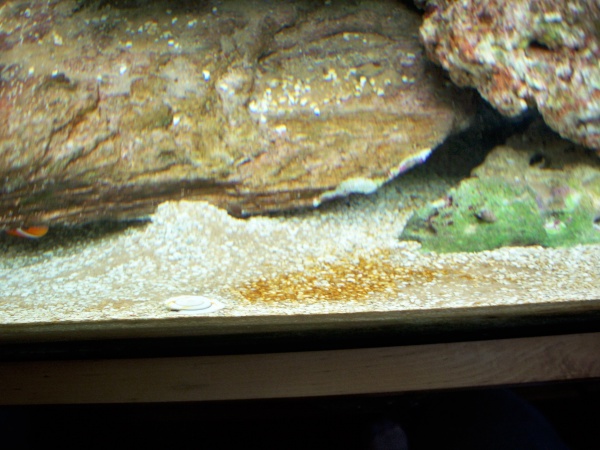
- Bacterial mats and biofilm create a slimy brown film in low-flow zones.
Why is the sand in my aquarium turning brown often ties back to feeding, lighting, substrate choice, and filtration. Fixing the surface stain without addressing root causes only treats the symptom. Read on to learn how to tell them apart and act accordingly.

How to diagnose the problem quickly
Start with a short checklist to find what is making the sand brown. Diagnosis is mostly visual and by simple tests. A clear diagnosis saves time and avoids over-cleaning your beneficial bacteria.
- Look at the texture. Dusty and fine means diatoms. Slimy and patchy means biofilm. Even color with soft edges likely tannins.
- Test water. Elevated nitrates, silicates, or iron point to nutrient-driven causes.
- Check flow. Dead spots in the tank collect waste and biofilm. Strong surface flow usually reduces browning.
- Remove a bit of sand and smell it. A rotten smell suggests decomposing organics and trapped detritus.
- Note timing. New tanks often get diatoms. Older tanks with wood additions often get tannin staining.
When you ask why is the sand in my aquarium turning brown, use these quick checks first. They guide the right fix and prevent unnecessary substrate replacement.
Step-by-step fixes for brown sand
Fixes depend on the root cause. Use gentle, targeted methods to clean sand without harming beneficial bacteria or stressing fish.
Diatom algae
- Do a big water change and reduce light duration.
- Install or improve silicate filtration or use a silicate-absorbing media.
- Vacuum the sand surface lightly; repeat as needed.
Organic detritus and trapped waste
- Use a gravel vacuum for shallow surface passes once a week.
- Stir the sand gently with a siphon or your hand to release trapped waste during water changes.
- Trim excess plant matter and reduce overfeeding.
Tannins and staining
- Remove or treat tannin sources such as unfinished driftwood.
- Use activated carbon or specific resin to absorb tannins.
- Note that tannins are not harmful; they just color water and sand.
Bacterial mats and biofilm
- Improve water flow and surface agitation.
- Manually remove mats with a siphon, net, or gentle brushing.
- Consider adding cleanup crew species that graze biofilm, if compatible.
Iron or mineral staining
- Identify the mineral source—decor, substrate, or water.
- Replace contaminated gravel or treat source materials before reintroducing.
- Use a water test and correct high iron levels with safe conditioners.
Why is the sand in my aquarium turning brown? Match your fix to the diagnosis. Over-cleaning removes beneficial bacteria. Under-cleaning leaves the cause intact.
Preventive routine and maintenance tips
Prevention is the easiest path to long-term clean sand. Set a simple routine and tweak habits that cause browning.
- Weekly 20-30% water changes keep nutrients low and reduce algae triggers.
- Feed less and remove uneaten food after a few minutes.
- Maintain consistent light cycles—use timers and avoid direct sunlight.
- Improve flow to eliminate dead zones where detritus builds up.
- Use a fine-mesh pre-filter or sponge on the intake to stop sand from clogging filters.
- Choose the right substrate: washed silica sand or aragonite is less likely to harbor grime.
From my own tanks, a twice-weekly surface siphon and a 25% water change stopped recurring browning. Small, consistent actions beat occasional deep cleans.
When brown sand is a sign of deeper problems
Sometimes brown sand points to issues that affect fish health. Know when to escalate care or consult an expert.
- High ammonia or nitrite alongside brown sand signals failing biological filtration.
- A foul, rotten odor suggests buried dead matter or plant decay that can spike toxins.
- Rapid spread of biofilm and fish gasping may mean oxygen depletion in surface layers.
- Persistent browning despite cleaning could mean a contaminant source in decor or substrate.
If you see stress signs in fish, do large water changes, test water immediately, and consider temporary relocation for sensitive species. Why is the sand in my aquarium turning brown can be low-risk or a red flag—context matters.
Practical tips and personal experience
I once battled brown sand for weeks in a planted tank. I tried heavy vacuuming and bought new filter media. The real fix was simple: reduce feedings, remove a piece of rotting leaf litter, and reroute a powerhead to improve flow. Within days the brown film faded.
Use these practical moves I learned:
- Start small: remove obvious debris, then test water.
- Stick with one change at a time. You’ll know what works.
- Keep cleaning tools dedicated to the aquarium only. Cross-contamination causes problems.
- Be patient. Biological systems take days to respond to changes.
When someone asks why is the sand in my aquarium turning brown, I remind them that patience and diagnosis beat panic. Small tweaks prevent major remediation.
Frequently Asked Questions of why is the sand in my aquarium turning brown
Why does new sand turn brown in a new tank?
New tanks often grow diatom algae that look brown. This clears up after cycling and with reduced silicates and light.
Can brown sand harm my fish?
Usually no—tannins and diatoms are harmless. Harm occurs if brown sand is from rotting matter that raises ammonia or nitrite.
How often should I vacuum sand to prevent browning?
A light surface siphon once a week is enough for most tanks. Heavier cleanings every 2–4 weeks work for high-traffic tanks.
Will replacing the sand solve the browning for good?
Replacing sand treats the symptom but not the cause. Fix feeding, flow, and filtration or the problem can return.
Is brown film always algae or could it be bacteria?
It can be either. Slimy patches usually indicate biofilm bacteria, while dusty powder often points to diatoms.
Can plants help prevent brown sand?
Yes. Fast-growing plants consume nutrients that fuel diatoms and algae. They also trap detritus for easier removal.
Conclusion
Brown sand results from organic build-up, algae, tannins, minerals, or flow problems. Diagnose with simple checks, pick targeted fixes, and adopt a steady maintenance plan. Start with a light siphon, test your water, and improve flow; these actions often clear brown sand fast. Try one change this week—reduce feeding or add a short surface siphon—and watch for improvement. If this guide helped, leave a comment, subscribe for more aquarium tips, or share your sand-saving story.