
High operating costs, specialized animal care, and major capital expenses drive higher ticket prices.
I have studied and worked with museum and aquarium operations. I can explain why is the aquarium of the pacific so expensive in clear terms. This article breaks down costs, revenue choices, and real value. Read on to learn practical tips, inside perspectives, and ways to save.

Key factors that explain why is the aquarium of the pacific so expensive
The aquarium cares for many species. That care costs a lot of money every day. Keeping water clean, animals healthy, and exhibits safe takes staff and gear. That is a big reason why is the aquarium of the pacific so expensive.
- Animal health and welfare Daily veterinary checks, specialized diets, and quarantine spaces raise costs. These services need trained staff and expensive medicine.
- Life support systems Pumps, filters, chillers, and UV sterilizers run nonstop. The equipment costs tens of thousands and needs frequent repair.
- Expert staff Marine biologists, aquarists, educators, and maintenance crews are paid to keep operations smooth. Their salaries are a major line item.
- Exhibit design and capital costs Creating immersive habitats takes custom builds and rare materials. New exhibits mean major fundraising and loans.
- Conservation and education Programs for research, rescue, and school outreach require funding that is often subsidized by admission fees.
- Regulations and insurance Permits, inspections, and liability coverage add recurring costs that small attractions rarely face.
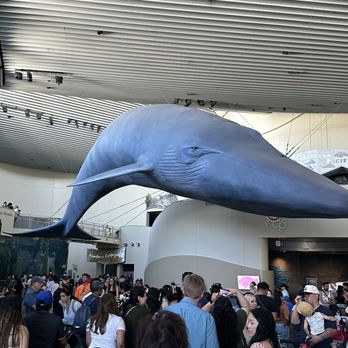
Operational costs behind the ticket price
Day-to-day expenses make ticket prices rise. These costs run every hour of every day. This helps explain why is the aquarium of the pacific so expensive.
- Energy and utilities Heating, cooling, lighting, and water treatment use huge amounts of power. Seasonal demand can spike those bills.
- Food and supplies Fresh fish, frozen diets, and specialty feeds are costly. Food quality matters for animal health.
- Veterinary and medical care Routine care and emergency medicine add up. Some procedures require outside specialists.
- Staffing and training Staff must be paid and trained. Ongoing education keeps care standards high.
- Maintenance and replacements Pumps, acrylic panels, and life support parts wear out. Replacements are costly and often custom-made.

How pricing, memberships, and revenue choices affect cost perception
Admission prices are one visible part of the funding mix. They must cover a share of the total budget. Understanding these choices helps explain why is the aquarium of the pacific so expensive.
- Ticketing strategy Prices reflect fixed costs divided by expected visitors. Fewer visitors mean higher per-visitor cost.
- Membership programs Members provide steady income and often get free visits. Memberships help stabilize budgets.
- Special events and rentals Private events, sleepovers, and tours add revenue. They also require extra staff and prep work.
- Grants and donations Grants offset some costs but are often restricted to specific projects. Fundraising fills gaps but is not constant.
- Retail and food services Gift shops and cafes help revenue but have their own running costs and margins.

Is the admission price worth it? Value, alternatives, and saving tips
People ask if the price matches the experience. I have worked with public attractions and visited many aquariums. I can share what to expect and how to save. That helps answer why is the aquarium of the pacific so expensive and whether it is worth it.
- What you get Well-designed exhibits, expert staff, and live animal care. You also support conservation and education.
- Alternatives Smaller local aquariums, virtual tours, or community aquarium days can be cheaper. They may offer less scope but still teach well.
- Ways to save Buy membership if you plan repeat visits. Visit on discount days, use combo tickets, or bring students for group rates.
- Personal tip On one visit I booked a behind-the-scenes tour. It cost extra but gave deep insight into costs. Seeing operations firsthand made the price feel fair.

Frequently Asked Questions of why is the aquarium of the pacific so expensive
Why are aquarium tickets so pricey?
Ticket prices reflect high daily costs for animal care, energy, and staff. They also support education and conservation programs that need steady funding.
Do ticket prices fund animal care?
Yes. A significant portion of admissions goes to food, vet care, and habitat systems. Without that funding, care standards would fall.
Can I visit for less money?
Yes. Look for discounted days, membership deals, and combo passes. Many aquariums offer free or low-cost community days.
Does the aquarium use admission revenue for research?
Admission revenue partially funds research and rescue work. Grants and donations also support focused projects and studies.
Is the aquarium of the pacific more expensive than other aquariums?
Pricing varies by size, location, and mission. Larger urban aquariums often charge more due to higher operating and land costs.
Conclusion
Understanding why is the aquarium of the pacific so expensive comes down to clear facts. Daily animal care, complex life support, skilled staff, and ongoing capital needs all add up. If you value education and conservation, the price supports work you can see and trust. Try membership, plan visits on discount days, or join special tours to get the most value. Share your thoughts or experiences below, subscribe for more guides, or leave a question to learn more.