New aquarium water often turns cloudy due to bacterial blooms and suspended tank dust.
If you're asking why is new aquarium water cloudy, this guide breaks down every cause, diagnostic step, and practical fix. I have set up and cycled dozens of tanks, read industry guidance, and tested solutions that work fast and safely. Read on to learn clear, simple steps to identify why your new aquarium water is cloudy and how to restore crystal-clear water without harming fish or plants.
Common causes of cloudy new aquarium water
New tanks commonly cloud for predictable reasons. Knowing the exact cause helps you pick the safest fix.
- Bacterial bloom
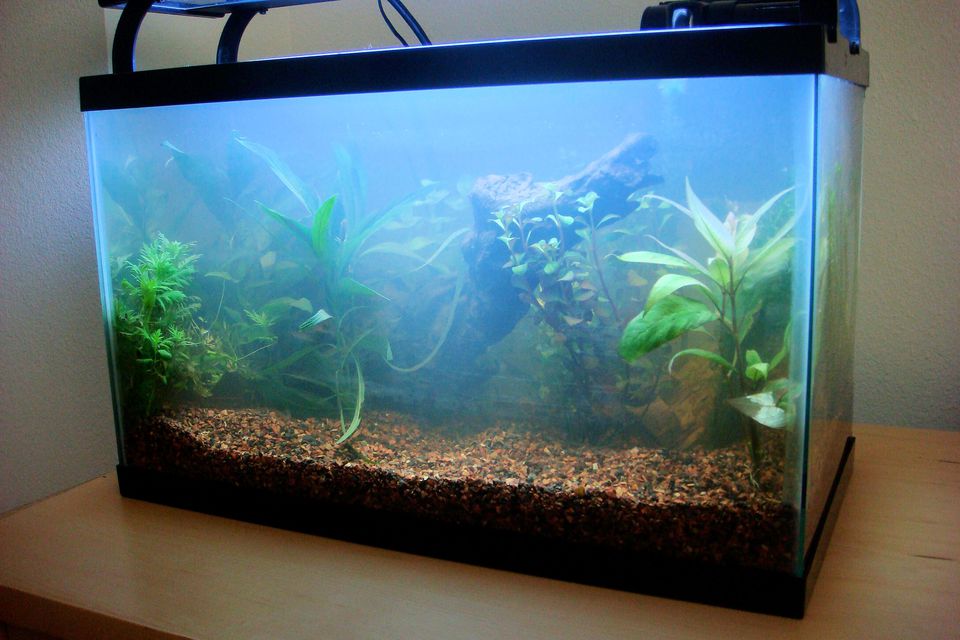
Bacterial colonies explode as they process new organic matter. The result is a milky cloud that often clears in a few days with a working filter. - Substrate dust and fine particles
Unwashed gravel or sand releases dust and silt into the water. These tiny particles float and produce a gray haze. - Dissolved organics and microscopic particles
Decaying plant bits, leftover food, and tiny waste particles can make water look foggy while they break down. - Tap water minerals and hardness (white or cloudy film)
Hard water with high calcium or magnesium can look milky when mixed with certain substrates or conditioners. - Chemical flocculation and clarifier reactions
Some conditioners or treatments react with minerals and organics, temporarily clouding water as particles clump. - Overfeeding and sudden stocking increases
Extra food and new fish create more waste than bacteria can handle initially, leading to cloudy water and possible ammonia spikes. - Incomplete cycling or immature filter media
A new filter lacks established colonies of beneficial bacteria. That imbalance often triggers visible cloudiness.
:strip_icc()/cloudy-aquarium-water-1378803-3736ff0eb5b34aa0907ae9df2882a86e.png)
Source: thesprucepets.com
How to diagnose the type of cloudiness
Diagnosing why is new aquarium water cloudy lets you target the right fix. Use simple checks first.
- Visual clues
Bright white, uniformly milky water often points to bacterial bloom. Brown or green tints suggest algae or tannins. Floating specks that settle slowly usually come from substrate dust. - Timeframe clues
Cloudiness appearing within hours of filling usually means substrate dust or hard water reactions. Cloudiness that starts 24–72 hours after setup is more likely bacterial bloom. - Smell and behavior
A sharp ammonia smell or distressed fish indicates a biological or waste problem. Odorless cloudy water is likely non-toxic dust or bacterial bloom. - Simple filtration test
Turn off the filter briefly. If particles settle quickly, mechanical filtration will clear them. If the cloud persists, it suggests dissolved organics or bacterial bloom. - Water testing
Measure ammonia, nitrite, nitrate, pH, and hardness. High ammonia or nitrite means the tank needs cycling. Normal readings lean toward dust or harmless bacterial bloom.
Source: aqueon.com
How to fix cloudy new aquarium water
Choose the safest fix based on your diagnosis. Quick fixes can harm fish if used without care.
- Patience and cycling
If tests show low ammonia and nitrite and the cloud looks milky, wait 48–72 hours. Beneficial bacteria often win the battle on their own. - Improve mechanical filtration
Add a fine filter pad or floss to trap particles. Clean or replace media gently using tank water to avoid wiping out bacteria. - Partial water changes
Do small, frequent water changes of 10–20% to remove suspended particles and dilute organics. Avoid large changes that stress fish. - Rinse substrate thoroughly during setup
If cloudiness is from substrate dust, remove fish temporarily if possible and rinse gravel until rinse water runs clear. - Seed beneficial bacteria
Use matured filter media from an established tank or a reputable bacterial starter product. This speeds up the biological filter. - Avoid chemical clarifiers as first choice
Clarifiers force particles to clump and settle. They can mask problems and stress filter bacteria when overused. - Adjust feeding and stocking
Reduce feeding and delay adding more fish. Less waste helps bacteria catch up and clears water faster.
Source: discus.com
Preventing cloudy water in future setups
Good setup habits cut the chance you'll ask again why is new aquarium water cloudy. These preventive steps work consistently.
- Rinse substrate thoroughly before adding it to the tank.
Use a bucket and run water until it is nearly clear. - Use matured filter media or cycle fishlessly.
Seed the tank with bacteria from an established filter or let the tank cycle before adding fish. - Add fish slowly over weeks.
A gradual approach prevents waste spikes and helps bacteria adapt. - Test water regularly during the first month.
Track ammonia, nitrite, and nitrate daily until they stabilize. - Use a quality mechanical filter and change pads often.
Catch particles before they break down into dissolved organics. - Avoid overfeeding; use target feeding amounts.
Feed what fish consume in 2 minutes to reduce uneaten food buildup.

Source: reddit.com
Testing and treatment options
Accurate testing guides safe treatment. Use these common tests and responses.
- Ammonia, nitrite, nitrate testing
High ammonia or nitrite needs action: partial water changes, reduced feeding, and speeding biological cycling. - pH and hardness testing
Check if cloudiness could come from mineral reactions. Adjust slowly if needed, using products designed for aquarium use. - Clarity aids
Mechanical filtration and bacterial seeding are first-line. Use activated carbon to remove dissolved organics if fog persists after cycling. - When to use clarifiers
Use a water clarifier sparingly for aesthetic reasons and only when biological parameters are stable. Pair clarifiers with improved filtration. - Emergency removal of toxins
If tests show dangerous ammonia or nitrite, perform larger partial water changes and add a water conditioner that detoxifies ammonia temporarily.

Source: reddit.com
Personal experience and lessons learned
I once set up a planted 20-gallon and skipped rinsing the sand. The tank clouded instantly. Rinsing the sand and adding a fine filter pad cleared most of it in a day. Lesson: rinse substrates and let mechanical filtration do its work.
In another case, I panicked at a milky bloom and performed large water changes for three days. That stressed the starter fish and slowed cycling. Lesson: test first, act calmly, and avoid overreacting.
A trick that worked repeatedly was adding a small amount of matured filter media from a community tank. The cloud cleared faster and ammonia stayed low. Lesson: seeding bacteria beats chemical fixes for new tank cloudiness.
Frequently Asked Questions of why is new aquarium water cloudy
Why does my new aquarium water turn cloudy after one day?
Most single-day cloudiness comes from substrate dust or suspended particles. Rinse the substrate well and use mechanical filtration to clear the water.
Is a bacterial bloom dangerous for my fish?
A bacterial bloom alone is usually not harmful if ammonia and nitrite are low. Monitor water tests and keep filtration running; it often clears in a few days.
Should I use a water clarifier to fix cloudy aquarium water?
Water clarifiers can help for visual clarity but should be used sparingly. They mask symptoms and won’t solve underlying issues like poor filtration or cycling.
How long does cloudy water last in a new tank?
Cloudy water from substrate dust clears in hours to a day with good filtration. Bacterial blooms usually resolve in 48–72 hours once bacteria establish.
Can tap water cause cloudiness in a new aquarium?
Yes, hard tap water or reactions between minerals and conditioners can cause a milky look. Testing hardness and using the right conditioner helps prevent this.
Will large water changes help with cloudy new tank water?
Small, frequent changes are safer. Large changes can stress fish and slow cycling. Use 10–20% changes and check water quality first.
How can I speed up the clearing process safely?
Seed the tank with matured filter media, add a fine mechanical filter pad, reduce feeding, and monitor water tests. These steps speed clearing without risking fish health.
Conclusion
Cloudy new aquarium water is almost always solvable with the right diagnosis and calm action. Whether the cause is substrate dust, a short-lived bacterial bloom, or mineral reactions, simple steps like rinsing media, improving mechanical filtration, testing water, and seeding bacteria will restore clarity. Apply these practices during setup and early cycling to prevent repeat problems. Try one focused fix at a time, track test results, and share your progress or questions below — I’d love to help you get and keep crystal-clear aquarium water.