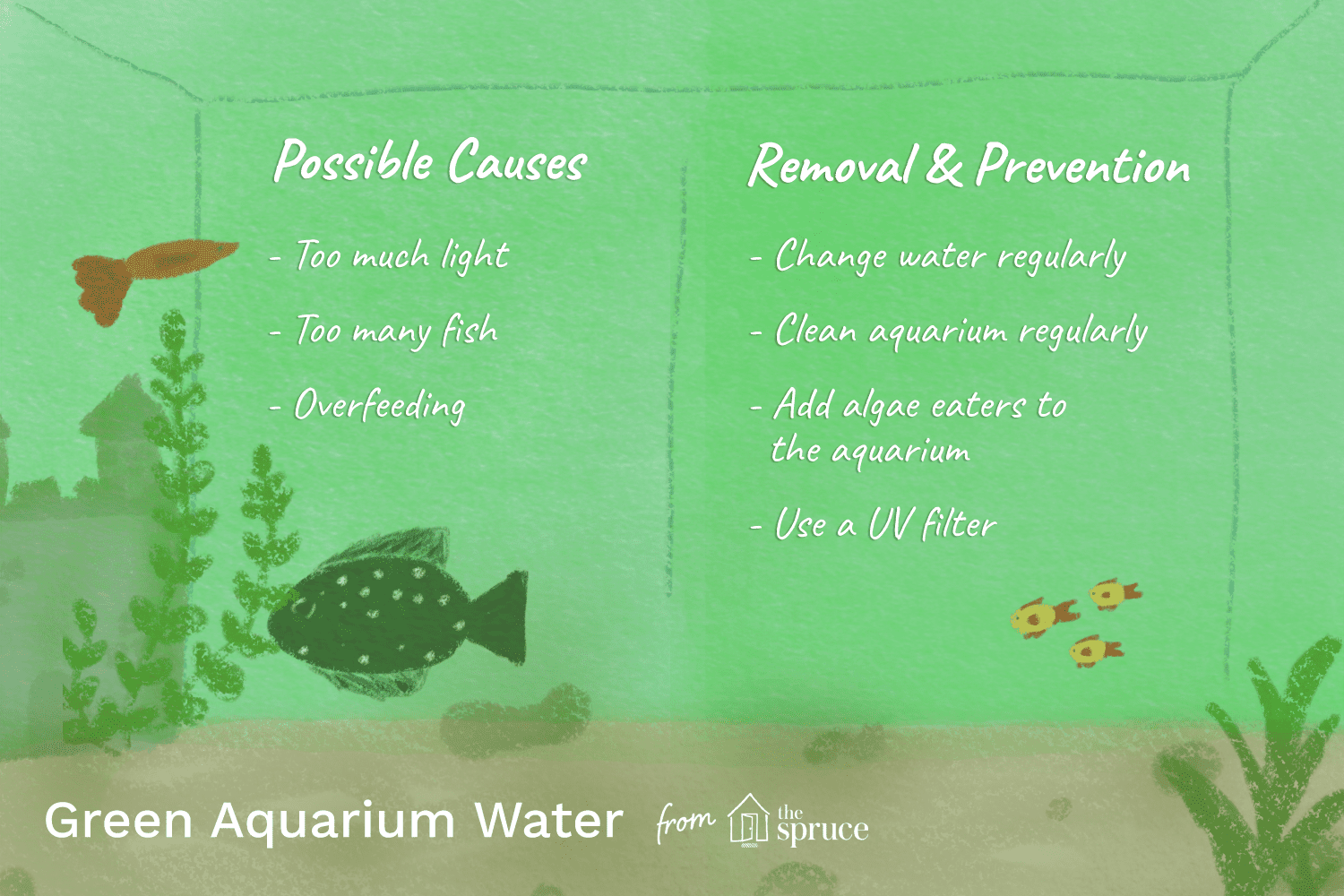
Green aquarium water usually means a free-floating algae bloom fed by light and excess nutrients.
I have kept and maintained tanks for years, and I write this guide from hands-on experience and practical lab-backed methods. If you are asking why is my aquarium water turning green, this article explains causes, tests, fixes, and prevention in clear, simple steps. Read on to learn what to do now and how to stop green water for good.
:strip_icc()/1378633-v3-5b46307746e0fb0037d0894e.png)
Why is my aquarium water turning green? Common causes
Green water is almost always caused by single-celled algae that float in the water. The main drivers are too much light and too many nutrients, like nitrate and phosphate. Overfeeding, infrequent water changes, and poor filtration make the problem worse. If you ask why is my aquarium water turning green, start by checking light duration, feed amounts, and water quality.

How algae make aquarium water green
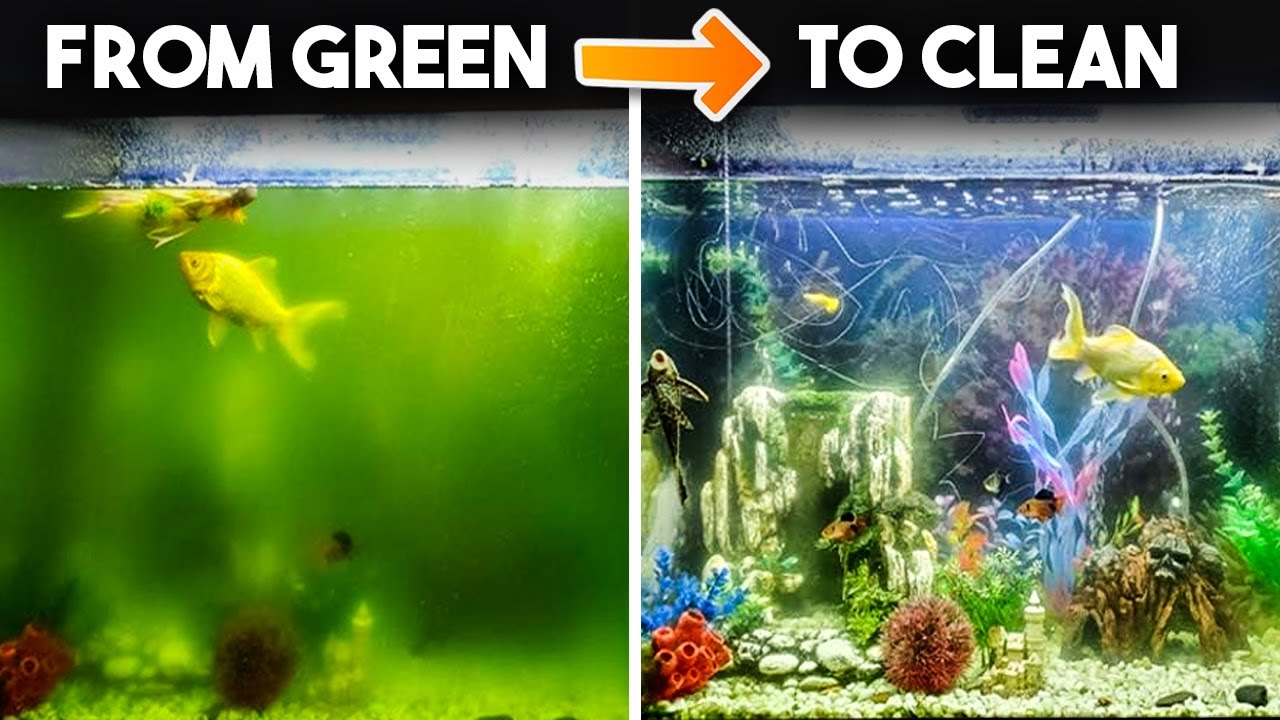
Algae are tiny plants. They grow fast when light and nutrients are present. A strong light schedule or direct sun can trigger growth in days. When algae bloom, your water will look like green paint. If you wonder why is my aquarium water turning green so fast, think about recent changes in light or feeding.
Diagnosing the green water problem
Test your water first. Check nitrate, phosphate, ammonia, and pH. Look at your filter flow and media. Note how long your lights run daily. Ask yourself: did I change food, add fish, or move the tank? These checks answer why is my aquarium water turning green in most cases.
Quick fixes to clear green water
- Do a large water change. Replace 30 to 50 percent of the water to cut algae numbers quickly.
- Reduce light. Cut light hours to 4 to 6 per day and remove direct sunlight.
- Stop feeding for 24 hours and then feed less. Uneaten food fuels algae.
- Clean the filter and replace media if clogged. Clean mechanical media gently to keep bacteria intact.
- Use a UV sterilizer for fast results. A UV unit kills free-floating algae as water passes through.
If you still ask why is my aquarium water turning green after these steps, repeat tests and consider adding live plants to compete with algae.

Long-term prevention strategies
- Maintain a stable water change schedule. Weekly changes reduce nutrients.
- Keep lighting moderate and consistent. Use a timer to avoid long light cycles.
- Control feeding. Feed small amounts that fish eat in two minutes or less.
- Use live plants. Fast-growing species absorb nitrate and phosphate.
- Monitor stocking levels. Avoid crowding and large bioloads that raise nitrate.
Long-term control removes the conditions that make algae thrive. That is the core answer to why is my aquarium water turning green over time.
Equipment, testing, and treatment options
- Test kits. Use reliable test kits for nitrate, phosphate, ammonia, and pH. Test weekly.
- Filters. Use biological and mechanical filtration sized for your tank. Clean foam or floss weekly.
- Chemical media. Use activated carbon to polish, and phosphate remover if phosphate is high.
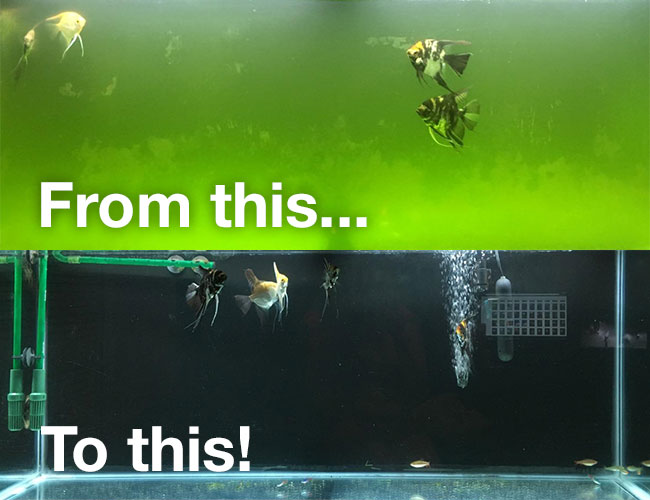
- UV sterilizer. Best for free-floating algae and fast clearing. Match flow rate to tank size.
- Algaecides. Use sparingly and as a last resort; they can harm plants and some fish.
When you ask why is my aquarium water turning green, these tools offer fast answers and control. Use testing to guide treatment choices.

My experience fixing green water
I once had a 40-gallon tank turn pea-soup green after a long summer storm. I reduced light to five hours, did a 50 percent water change, and ran a temporary UV sterilizer. I also cut feedings and added a fast-growing stem plant. The water cleared in three days. The lesson I learned is to act quickly and test regularly so small issues do not become persistent problems. If you face the same question — why is my aquarium water turning green — take quick, steady steps and watch results.
Troubleshooting checklist: step-by-step
- Test water for nitrate, phosphate, ammonia, and pH.
- Reduce light to 4–6 hours and block direct sun.
- Do a 30–50 percent water change.
- Clean or rinse filter media without killing beneficial bacteria.
- Cut feeding by half and remove uneaten food.
- Add live plants or a UV sterilizer if needed.
- Repeat tests after 48–72 hours and adjust steps.
Follow these steps when you want a clear answer to why is my aquarium water turning green and how to fix it.

Common mistakes that keep water green
- Overfeeding. Food breaks down and feeds algae.
- Infrequent water changes. Nutrients build up slowly.
- Running lights too long. Extra light is algae fuel.
- Overuse of algaecide. It can mask the real cause without fixing it.
Avoid these errors and ask why is my aquarium water turning green only to find clear, simple causes you can fix.
Frequently Asked Questions of why is my aquarium water turning green
Why does my aquarium water turn green overnight?
Algae multiply fast with light and nutrients, so a bloom can appear quickly. Check recent light changes and feedings and test water.
Will green water hurt my fish?
Green water usually does not harm healthy fish directly, but it reduces visibility and can stress sensitive species. Severe blooms can lower oxygen at night.
Can live plants stop green water?
Yes. Fast-growing live plants compete for nutrients and often stop free-floating algae from thriving. Combine plants with good maintenance for best results.
How long does it take to clear green water?
With a UV sterilizer and proper water changes, you can see improvement in 24 to 72 hours. Without UV, it may take several days to weeks depending on action taken.
Is cloudy green water the same as algae?
Cloudy green water is usually free-floating algae. Filamentous or spot algae are different and require manual removal. Testing helps confirm the type.
Conclusion
Green aquarium water is a common, fixable problem driven by light and nutrients. Test your water, reduce light, cut feeding, and use water changes and proper filtration to regain clarity. Act quickly and follow a steady maintenance plan to keep algae in check. Try the steps here, leave a comment with your tank size and setup, and subscribe for more practical aquarium tips.