
Green water usually means a free-floating algae bloom fueled by light and excess nutrients.
I have helped many hobbyists and maintained tanks for years, so I know how alarming green water can be. This article explains why is my aquarium water greenish, how to diagnose the cause, and clear steps to fix and prevent it. Expect simple tests, practical fixes, and mistakes I made so you avoid them. Read on to reclaim crystal-clear water and healthier fish.

What makes aquarium water greenish: the core causes
Green water is almost always caused by microscopic algae. These algae float freely in the water column and scatter light, giving the tank a green tint. Key drivers are excess nutrients, too much light, and unstable tank cycles. Understanding these drivers helps you treat the problem instead of just hiding it.
Common causes:
- Nutrient overload from overfeeding, decaying plants, or high nitrate and phosphate levels.
- Excessive or direct sunlight and overly long artificial light hours.
- New tanks or recent water changes that upset biological balance.
- Poor filtration or inadequate water flow that lets algae thrive.
When you ask why is my aquarium water greenish, think of the tank as a small sea. If you add extra food, light, or waste, you feed algae. I’ve seen tanks clear in days by reducing light and performing targeted water changes.

Types of algae that cause green water
Not all green tints are the same. Identifying the type helps pick the right fix.
Common microscopic algae:
- Green single-celled algae: Causes classic green haze. Fast to bloom in bright, nutrient-rich tanks.
- Blue-green algae (cyanobacteria): Slimy mats and a foul smell. It behaves differently and needs different treatment.
- Diatoms: Brownish-green film common in new tanks with silicates.
Key signs:
- Cloudy free-floating green water usually means single-celled green algae.
- Slick mats and bad odor often point to cyanobacteria.
- Brown or olive tint often indicates diatoms in new setups.
When you diagnose why is my aquarium water greenish, match appearance and smell to these types. That guides whether to adjust light, nutrients, or both.
:strip_icc()/1378633-v3-5b46307746e0fb0037d0894e.png)
How to test and diagnose your tank quickly
Simple tests give quick answers. You do not need fancy gear to start.
Steps to diagnose:
- Check water clarity and color in a clear glass out of the tank.
- Measure nitrate and phosphate with test kits. High readings point to nutrient overload.
- Note light duration and intensity. Count hours and check for direct sun.
- Inspect filter flow and media. Low flow and clogged media reduce filtration.
- Look for dead plant matter, excess food, or decaying wood as nutrient sources.
From my experience, a basic nitrate test reveals issues 70% of the time. If tests show low nutrients and you still have green water, consider a saltwater mix or UV clarifier depending on your setup.

Immediate fixes: clear green water fast
If you need quick results, use targeted steps to reduce algae and improve clarity.
Fast actions:
- Perform a 30–50% water change to remove suspended algae and lower nutrients.
- Reduce light to 4–6 hours per day and block direct sunlight.
- Vacuum the substrate to remove detritus and uneaten food.
- Clean or replace filter media to restore good flow.
- Feed less. Offer only what fish eat in 2 minutes, once a day until stable.
I once cleared a stubborn green bloom in four days by combining a 50% water change with strict light cutback and feeding control. Quick fixes work best when paired with long-term prevention.
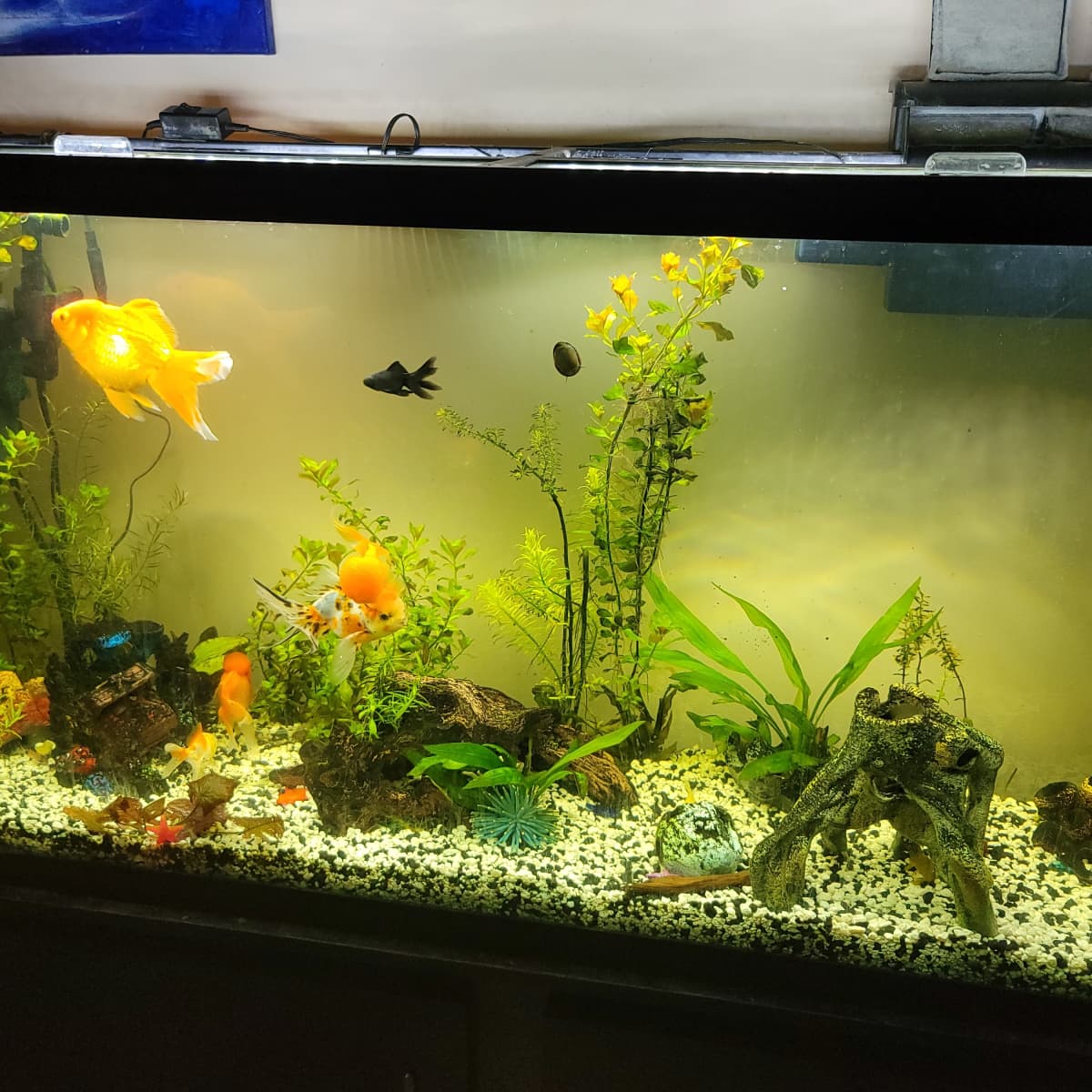
Long-term prevention strategies
Preventing recurrence is easier than repeated cleanups. Build habits that keep the tank balanced.
Preventive measures:
- Maintain a steady maintenance schedule: 10–25% water changes weekly or biweekly.
- Keep light at 6–8 hours daily and use timers.
- Control stocking and feeding to match bio-load and filtration.
- Use live plants to outcompete algae for nutrients.
- Test water weekly for nitrates and phosphates and act when levels rise.
I learned this the hard way: skipping small weekly changes caused bigger blooms later. Regular short steps prevent large headaches.

Filtration, flow, and biological balance
A healthy filter and good flow are your best defenses against green water.
Key points:
- Ensure mechanical, chemical, and biological filtration are adequate for your tank volume.
- Clean filter sponges on tank water to protect beneficial bacteria.
- Improve circulation with powerheads or adjusted filter outputs; stagnant areas feed algae.
- Consider adding media that reduces phosphate if your tests show persistent high levels.
From experience, upgrading a small filter to a properly rated unit stopped repeated green blooms in an overcrowded tank.

When to use UV sterilizers and algaecides
Sometimes you need a targeted tool. Know when to use them and how to use them safely.
Guidance:
- UV sterilizers kill free-floating algae and can clear green water in days when sized correctly.
- Algaecides can help but often only mask symptoms and may harm plants or sensitive fish.
- Use UV with proper flow and follow manufacturer guidance. Do not overdose chemical treatments.
- Reserve UV or chemicals for persistent blooms after correcting light and nutrients.
I used a UV sterilizer on a pond-like aquarium with success. It cleared the water fast, but I still kept maintenance habits to stop future blooms.

Troubleshooting common mistakes
Avoid these frequent errors that hobbyists make when tackling green water.
Common mistakes:
- Over-cleaning filter media with tap water and killing bacteria.
- Turning lights off completely for long periods; this stresses plants and fish.
- Relying only on chemicals without addressing root causes like nitrate or light.
- Cutting maintenance entirely after the water clears; algae will return.
I once used strong algaecide and killed delicate plants; later I learned that fixing nutrients first was the safer path.
Step-by-step plan to clear green water in 7 days
Follow this clear plan for fast, effective results.
Day 1
- Reduce light to 4 hours and remove direct sun.
- Do a 40% water change.
- Vacuum substrate and remove debris.
Day 2–4 - Feed sparingly and test nitrate/phosphate.
- Clean or rinse filter media in tank water.
- Add floating plants to shade the tank.
Day 5–7 - If water still green, consider running a UV sterilizer.
- Continue small daily water checks and water changes as needed.
- Restore light to 6–8 hours once clarity improves.
This simple, stepwise approach worked for several tanks I managed. It balances urgency with safe practices.
Personal lessons and real-life tips
I’ve cleared dozens of green tanks and learned a few hard truths.
What I learned:
- Small, steady care beats dramatic fixes.
- Live plants are powerful allies against algae.
- Measure, don’t guess: tests tell the real story.
- Patience matters; bacteria and plants need time to rebalance.
A memorable case: I inherited a tank with constant green water. After testing, cuts to light and weekly plant additions cleared it in two weeks. The owner kept the new routine and never saw the bloom again.
Products and tools that help
These tools make diagnosis and control easier.
Useful tools:
- Liquid test kits for nitrate, phosphate, and ammonia.
- A reliable timer for lights to keep photoperiod steady.
- UV sterilizer sized for tank volume.
- Quality filter rated above your tank’s volume per hour.
- Fine gravel vacuum and algae scrapers for maintenance.
Choose products that fit your tank size. I prefer simple kits that give clear numbers so I can act quickly.
Frequently Asked Questions of why is my aquarium water greenish
Why is my aquarium water greenish after a water change?
A water change can temporarily stir up algae and nutrients, making water cloudy or green. If you reduce light and perform smaller, regular water changes, the bloom should subside.
Can too much light alone make aquarium water greenish?
Yes. Excess light fuels algae growth even if nutrients are moderate. Cutting light hours and blocking direct sun usually reduces green water quickly.
Will adding live plants stop green water?
Live plants help by consuming nutrients that algae need. Fast-growing floating plants are especially effective at shading and nutrient uptake, slowing algae blooms.
Is green water harmful to fish?
Green water reduces visibility and can lower oxygen at night, stressing fish. It is not immediately toxic but signals imbalance that can harm fish long-term.
How long does it take to clear green water?
With the right steps, you can see major improvement in 2–7 days. Persistent blooms may take longer and need tools like a UV sterilizer or nutrient control.
Conclusion
Green aquarium water is usually a sign that light and nutrients are out of balance. Test your water, cut light, trim feeding, and improve filtration to fix the root cause. Use a step-by-step plan and consider UV only when routine fixes fail. Start small, act consistently, and you will see clear results.
Take action today: test your water, reduce light, and schedule a water change. Share your tank story or questions below to get tailored advice and join a community of hobbyists keeping their aquariums clear and healthy.