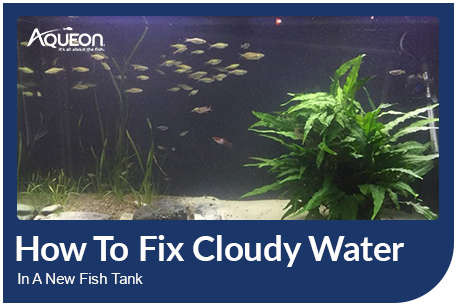
Cloudy aquarium water after a water change is often due to bacterial blooms, disturbed sediment, or new tank syndrome.
Imagine spending hours perfecting your aquarium, only to find it cloudy after a water change. It's a common frustration faced by many aquarium enthusiasts, but don't worry—understanding the reasons behind it is the first step to clear water. This guide delves into the various causes of cloudy water after a water change, offering insights and practical solutions to restore clarity. Whether you're a beginner or an experienced aquarist, this article provides valuable information to maintain a thriving aquatic environment.
Causes of Cloudy Aquarium Water
Bacterial Blooms
Bacterial blooms are one of the most common causes of cloudy water. When you perform a water change, it may disturb the balance in the tank, prompting bacteria to proliferate. These blooms can occur when beneficial bacteria grow quickly, leading to a hazy appearance.
Disturbed Sediment
If your tank has substrate like gravel or sand, a water change can disturb these particles, causing them to float temporarily. This sediment can give the water a cloudy look until it settles back down.
New Tank Syndrome
New tank syndrome occurs when a newly set up aquarium hasn’t yet developed a stable bacterial environment. If you recently established your tank and performed a water change, it's possible that the bacteria haven’t yet fully colonized, leading to cloudiness.
Chemical Imbalances
Chemical imbalances from added treatments or the water change itself can sometimes cause cloudiness. It's important to test the water parameters to ensure everything is in balance.
Overfeeding
Overfeeding your fish can lead to uneaten food decomposing in the water, which can contribute to cloudiness. Ensuring proper feeding practices helps maintain clear water.
Steps to Clear Cloudy Water
- Wait and Observe: Sometimes, cloudiness resolves itself as the sediment settles or bacterial levels stabilize.
- Use a Water Clarifier: These can be added to bind tiny particles together, making them easier to filter out.
- Check the Filter: Ensure your filter is working efficiently and doesn't need cleaning or replacing.
- Monitor Feeding: Only feed the amount your fish can consume in a few minutes.
- Regular Testing: Keep an eye on water parameters like pH, nitrite, nitrate, and ammonia levels.
Frequently Asked Questions
Why does my aquarium water get cloudy immediately after a water change?
Cloudy water usually results from disturbed sediments or bacterial blooms. These are typically temporary and resolve as the tank stabilizes.
Can cloudy water harm my fish?
Generally, cloudy water is not harmful unless it’s caused by high ammonia or nitrites. Regular testing ensures safe conditions.
How long does it take for cloudy water to clear?
It typically clears in a day or two. If it persists, check for underlying issues like filtration problems.
Should I perform another water change if the water remains cloudy?
Not immediately. Allow time for the tank to stabilize. Too many changes can further disturb the balance.
How do I prevent future cloudiness?
Maintain a stable cleaning schedule, avoid overfeeding, and ensure the filter is functioning properly.
Conclusion
Dealing with cloudy water after a water change can be a bit perplexing, but it’s usually a temporary issue that resolves with time and care. By staying vigilant and adopting some easy strategies, you can maintain crystal-clear water in your aquarium. Don't hesitate to act on these insights to enhance your aquascaping success. Keep exploring, learning, and connecting with fellow aquarists to share experiences and tips. Feel free to leave a comment or subscribe for more expert advice on keeping your aquatic haven beautiful and thriving.