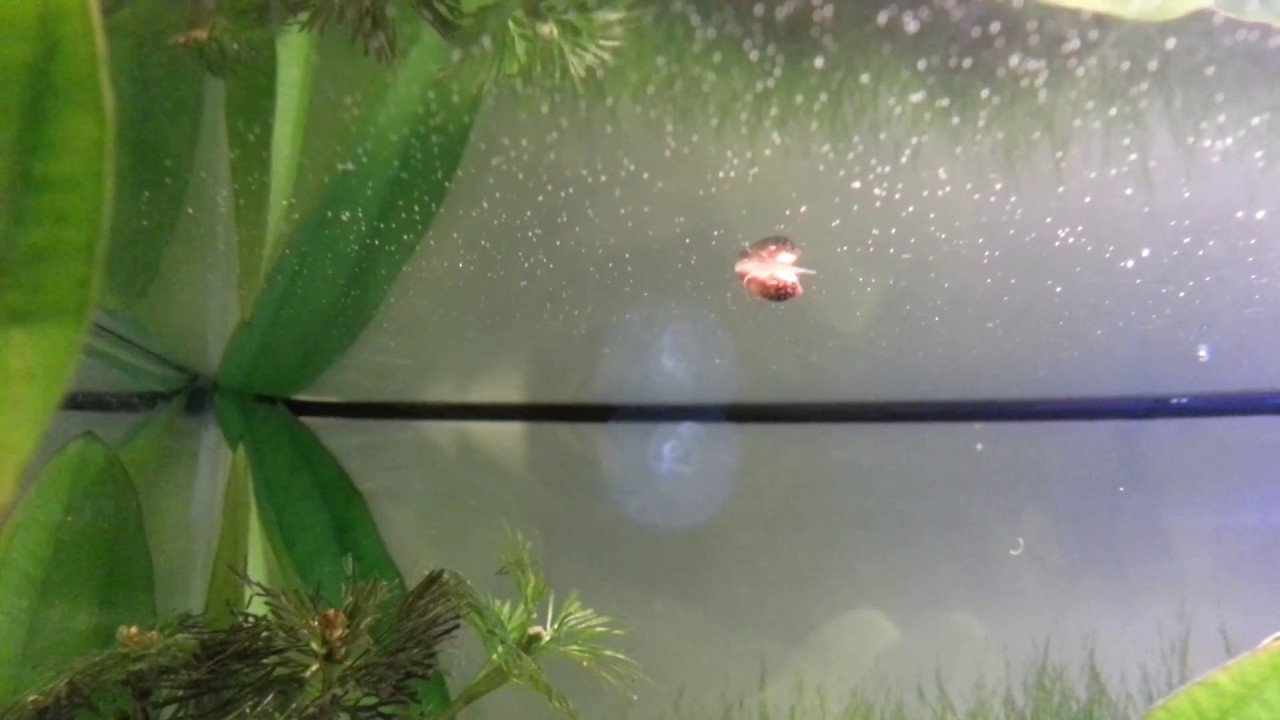
Aquarium snails might flip upside down due to imbalance or health issues.
Finding your aquarium snail upside down can be perplexing and concerning for any aquarium enthusiast. The sight prompts questions about the snail's well-being and the overall health of your aquatic environment. This article delves into the reasons behind this behavior, helping you understand the possible causes and providing actionable solutions. By leveraging expert insights and personal experiences, we'll explore why your aquarium snail is upside down and how to address this curious phenomenon.
Common Causes
Imbalance and Poor Health
Aquarium snails might end up upside down if they're struggling with poor health or physical imbalance. Weak or damaged snails often can't right themselves easily. Poor diet, lack of calcium, or stress from environmental changes can take a toll on their health.
Environmental Factors
The conditions within the tank, such as water quality, temperature, and pH levels, can significantly affect your snail's orientation. If these parameters fluctuate beyond suitable ranges, your snail might flip over, unable to stabilize itself.
Overcrowding
An overcrowded aquarium can lead to competitive stress. If there's not enough space, snails may climb or jostle each other, leading to accidental flipping and difficulty righting themselves on their own.
Substrate Issues
The type of substrate used in the aquarium can impact a snail's ability to move properly. A slippery or unsuitable substrate can make it easy for a snail to fall over without the traction needed to flip back.
Natural Behavior
Sometimes, snails flip while exploring or feeding, as part of their natural movement. If they're otherwise healthy and upright soon after, this is likely not a cause for concern.

Solutions and Preventative Measures
Ensure Healthy Diet
Make sure your snails receive a balanced diet rich in calcium to strengthen their shell and muscles, promoting better overall health and movement.
Maintain Optimal Water Conditions
Regularly test and maintain the aquarium's water conditions. Keep pH, temperature, and nutrient levels within appropriate ranges to reduce stress and prevent flipping.
Prevent Overcrowding
Avoid overcrowding by ensuring your tank has adequate space for each snail. This minimizes stress and the risk of physical disturbances that cause flipping.
Choose Suitable Substrate
Opt for a substrate that provides enough traction for the snails. Rougher surfaces generally help them right themselves more easily if they flip.
Observe and Act
Regularly check your snails for signs of stress or illness. Quick intervention can prevent prolonged issues and help manage the situation better.

Frequently Asked Questions of Why is My Aquarium Snail Upside Down
What should I do if my snail is upside down?
Gently flip the snail over and assess its health. Check the water conditions and ensure it's receiving proper nutrition.
How can I tell if my snail is sick?
Signs of illness include lack of movement, discolored shell, or not adhering to surfaces. Monitor water quality and dietary intake.
Is it normal for snails to flip occasionally?
Yes, sometimes snails flip as part of natural movement. If they're healthy and can right themselves, it's usually not a concern.
Will other fish in the tank harm my upside-down snail?
Some fish might nip at a vulnerable snail. Ensure that tank mates are compatible and monitor interactions closely.
How can I prevent my snail from flipping?
Maintain a stable environment, provide adequate nutrition, and choose the right substrate. Avoid overcrowding to minimize stress.
Conclusion
Understanding why your aquarium snail is upside down involves recognizing the balance between tank conditions, health, and natural behavior. By maintaining an optimal environment and monitoring your snail's health, you can prevent and address this issue effectively. Take proactive steps to ensure your snail's well-being, and consider exploring more about aquatic care to enhance your knowledge. Feel free to share your insights or ask questions by leaving a comment or subscribing for more aquatic tips!
