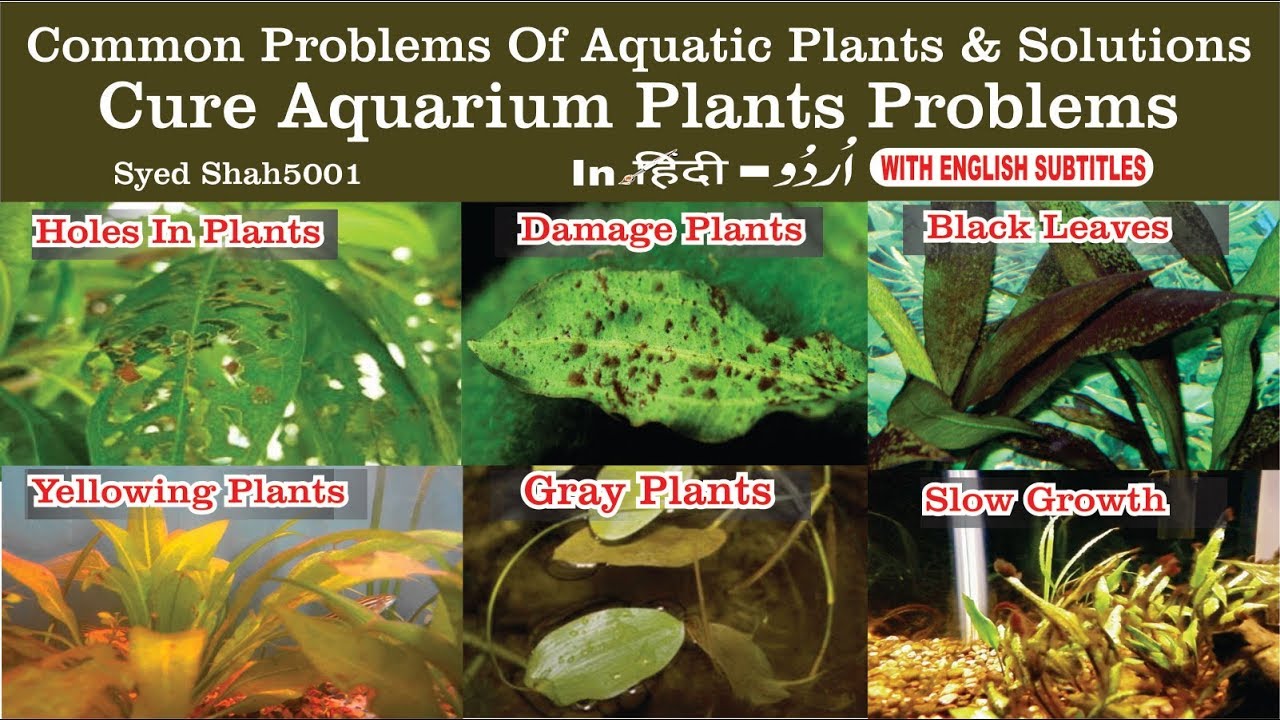
Aquarium plants often turn yellow due to nutrient deficiencies, inadequate lighting, or poor water conditions.
Aquarium enthusiasts often face the issue of yellowing plants, which not only detracts from the aesthetic appeal of the tank but can also signal deeper problems. As a seasoned aquarist, I've seen how understanding the root causes and taking quick corrective actions can restore the vibrancy of your plant life. This guide delves deep into why your aquarium plant might be turning yellow and offers expert insights to help you maintain a thriving underwater garden.
Nutrient Deficiency
Plants in your aquarium need a variety of nutrients to stay healthy:
- Iron Deficiency: Commonly causes leaves to turn yellow with green veins; supplementing with iron fertilizers can solve this.
- Nitrogen Deficiency: Results in older leaves turning yellow; adding nitrates can help.
- Potassium Deficiency: Look for pinhole spots on leaves which turn yellow; potassium supplements are needed.
Lighting Issues
Lighting plays a crucial role in plant health. Too little, and photosynthesis slows, causing yellowing. Conversely, too much light can encourage algae growth, which competes for nutrients.
- Evaluate Light Intensity: Ensure you're using the correct type of light for your plant species.
- Duration: Keep lights on for 8-10 hours daily to mimic natural conditions without overwhelming the plants.
Water Conditions
Water quality is essential for healthy plant growth:
- pH Levels: Extreme pH levels can affect nutrient absorption. Aim for a balanced pH of about 6.5 to 7.5.
- Hardness: Both very soft and very hard water can lead to yellowing. Regular water testing can keep track of these parameters.
- Temperature Fluctuations: Consistent water temperature helps maintain plant health.
Algae Competition
Algae competes for the same nutrients as plants, which can lead to deficiency:
- Control Algae: Manage algae growth by regulating light and nutrient levels.
- Add Algae-Eaters: Fish like otocinclus or shrimp can naturally keep algae in check.
Personal Insights and Tips
In my years of maintaining aquariums, I've learned that regular monitoring and adjustments are key:
- Weekly Checks: Assess plants, observe any color changes, and test water parameters.
- Gradual Changes: Always introduce changes slowly to avoid shocking the ecosystem.
- Experiment with Fertilizers: Find the right type and dose that suits your plant species.
Frequently Asked Questions (FAQs)
Why are my aquarium plant leaves turning yellow at the edges?
This often indicates a potassium deficiency. Consider adding a potassium supplement to your routine.
Can poor lighting cause my aquarium plants to turn yellow?
Yes, inadequate or excessive lighting can hinder photosynthesis, leading to yellowing leaves.
How can I correct nutrient deficiencies in my aquarium plants?
Start with a comprehensive aquarium plant fertilizer that provides essential nutrients like iron, nitrogen, and potassium.
Should I be concerned about algae in my aquarium?
Algae isn't necessarily harmful but can compete with plants for nutrients. Managing algae ensures your plants thrive.
Are there specific plant species more prone to yellowing?
Some species are more sensitive to changes in water parameters and lighting, requiring more attentive care.
Conclusion
Yellowing aquarium plants are a clear signal that something is amiss in your tank’s ecosystem. By understanding the causes—whether nutrient deficiencies, lighting issues, or water quality—you can make informed adjustments. Start with small changes, monitor effects, and soon, your plants will regain their lush green color, enhancing the beauty of your tank. Dive deeper into aquarium care, subscribe for tips, and share your experiences in the comments below. Your underwater paradise awaits!