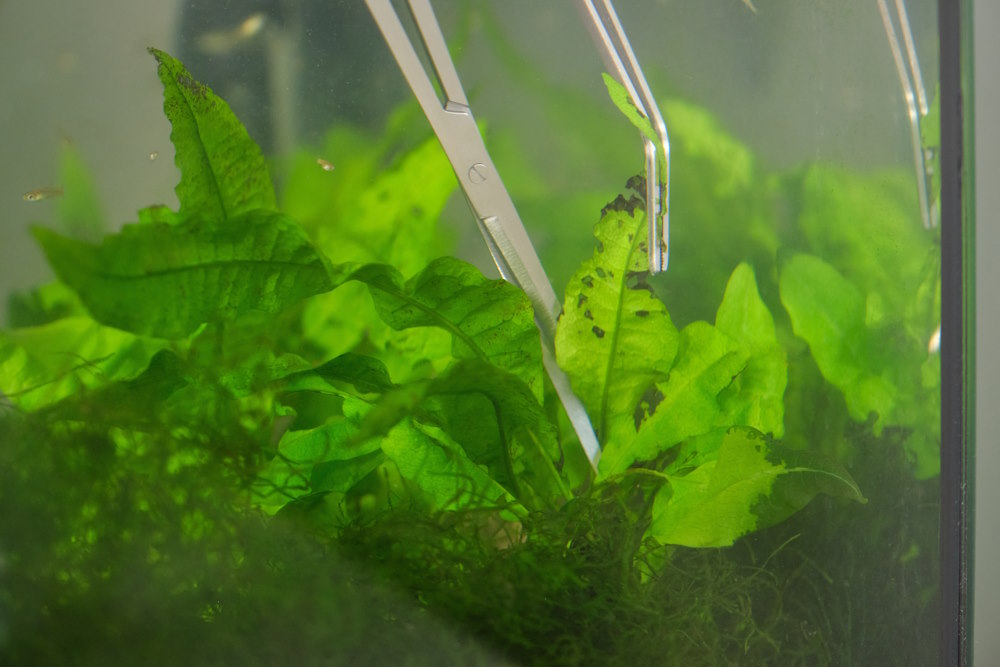
Most aquarium plants die due to unsuitable water conditions or insufficient lighting.
Having a lush, thriving aquarium can bring immense joy and serenity to your home. But when your aquarium plants start to wilt or turn brown, it’s disheartening. Understanding why your aquarium plant is dying is crucial to bringing your underwater garden back to life. In this guide, I'll share insights gained through years of experience, practical examples, and expert knowledge to help you address common issues and create a flourishing aquatic ecosystem.
Water Quality Issues
Water quality is paramount for the health of aquarium plants. Poor water conditions can lead to plant deterioration.
- pH Levels: Plants generally prefer a pH between 6.0 and 7.5. Regularly test and adjust to keep within this range.
- Hardness: Check for general hardness (GH) and carbonate hardness (KH). Inadequate levels can stress plants.
- Ammonia and Nitrite: Even low levels can be toxic. Use a reliable water test kit to monitor these parameters.
Inadequate Lighting
Lighting is crucial for photosynthesis, the process that allows plants to convert light into energy.
- Light Duration: Aim for 8-10 hours daily. Avoid too much light as it can promote algae growth.
- Light Intensity: Intensity should match plant species' needs. Use LED lights for better control and efficiency.
- Light Spectrum: Plants absorb different light wavelengths. Ensure your lighting offers a full spectrum to promote growth.
Nutrient Deficiencies
Nutrients play a vital role in plant health. A lack of essential nutrients can stunt growth or cause yellowing leaves.
- Macronutrients: These include nitrogen (N), phosphorus (P), and potassium (K). Regularly supplement with fertilizers.
- Micronutrients: Important ones like iron (Fe) and magnesium (Mg) should be adequately available. Check your plant fertilizer for a balanced mix.
Incorrect Temperature
Aquarium plants have specific temperature requirements, which, if unmet, can cause stress.
- Optimal Range: Most plants thrive between 70°F to 80°F (21°C to 27°C). Utilize a heater to maintain consistent temperatures.
- Sudden Changes: Avoid abrupt changes in temperature, as it can shock plants and lead to die-off.
Poor Plant Selection
Choosing the wrong plants for your aquarium can lead to struggles for survival.
- Compatibility: Ensure plants suit the tank's conditions and inhabitants. Some require high CO2 or specific environments.
- Aquascaping Techniques: Discuss your layout plans with a professional to ensure plant diversity and compatibility.
Pests and Diseases
Invasive species and pathogens can harm your plants. Regular maintenance is key.
- Quarantining New Plants: Helps prevent the introduction of pests or diseases.
- Inspect Regularly: Look for signs of disease, such as discoloration or holes, and treat promptly.
Personal Experience and Tips
In my years of managing aquariums, I’ve learned that observation is your best ally. Identify subtle changes early on, like unusual leaf color or growth rate alterations. Avoid over-fertilizing; it’s a common mistake that can lead to nutrient imbalance and algae proliferation. Regularly prune plants to remove dead leaves and promote healthier growth, keeping the ecosystem balanced.
Frequently Asked Questions
Why do my aquarium plants turn brown?
This often indicates insufficient lighting or nutrient deficiencies. Check light intensity and supplement with appropriate fertilizers.
How can I prevent algae in my aquarium?
Maintain balanced light and nutrient levels. Introduce algae-eating fish or snails for natural control.
What are signs of nutrient deficiency in plants?
Yellowing leaves, holes, or stunted growth often signify nutrient shortages. Consider a nutrient-rich fertilizer.
How often should I change the water in my planted aquarium?
Weekly water changes of 10-20% help maintain water quality and nutrient balance.
Is CO2 injection necessary for aquarium plants?
While not essential for all, CO2 injection can benefit high-light or highly planted tanks for optimal growth.
Conclusion
Keeping aquarium plants healthy requires a blend of proper water quality, lighting, and nutrient management. By understanding and addressing each factor, you can transform your aquarium into a vibrant haven. Start making small adjustments today, and watch your aquatic garden flourish. Engage with our community for more tips, or share your experiences in the comments below!