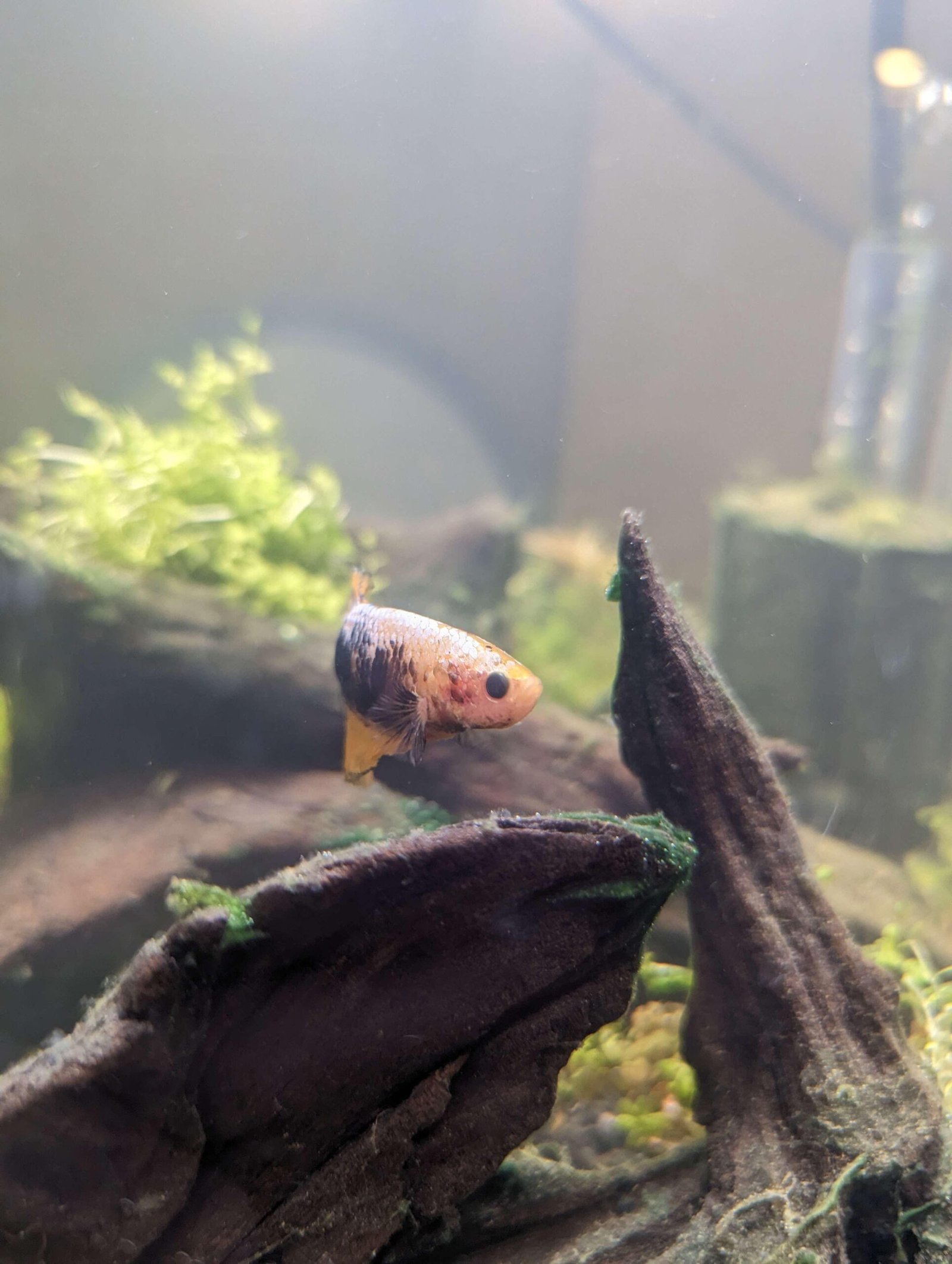
Your aquarium heater may be overheating due to thermostat malfunction or improper placement.
Have you ever peered into your aquarium only to find the water temperature soaring unexpectedly? It’s a common problem and can be deeply concerning for both new and seasoned aquarium enthusiasts. Understanding why your aquarium heater might be overheating is essential for maintaining a healthy environment for your aquatic friends. This comprehensive guide delves into the possible causes, solutions, and preventive measures to keep your aquarium safe and stable. With experience, expert opinions, and actionable insights, you're in the right place to solve this problem.
Common Causes of Aquarium Heater Overheating
Aquarium heaters are essential for maintaining a stable environment, but overheating can lead to serious issues. Let's explore some common causes:
1. Thermostat Malfunction
A faulty thermostat can cause the heater to run continuously, leading to overheating. If the thermostat fails to regulate temperature accurately, water temperatures can become dangerously high, stressing or even killing fish.
2. Improper Heater Size
Using a heater that's too powerful for your tank size can lead to overheating. It's essential to choose a heater compatible with your tank's volume to ensure balanced heating.
3. Poor Placement
Heaters should be properly submerged and placed where water circulates freely. Poor circulation can cause localized overheating, creating hot spots that affect your aquatic life.
4. Lack of Adequate Monitoring
Without regular monitoring, temperature changes may go unnoticed. Consistently checking the water temperature with reliable thermometers ensures you catch overheating issues quickly.
5. Old or Faulty Equipment
Heaters wear out over time, leading to potential malfunctions. Regularly inspecting and replacing old or faulty equipment can prevent overheating.

Solutions to Prevent Overheating
Consider these strategies to prevent your aquarium heater from overheating:
- Choose the Right Size: Calculate the required wattage based on your tank size. Typically, 2.5-5 watts per gallon suffices.
- Regular Maintenance: Inspect the heater and thermostat for signs of wear or damage. Replace parts when necessary.
- Optimal Placement: Position the heater where there's adequate water flow to prevent localized heat spots.
- Invest in Quality Equipment: High-quality heaters usually provide better reliability and come with better safety features.
- Use Backup Systems: Consider using multiple smaller heaters rather than one large unit to distribute heat evenly.
Personal Insights and Experiences
Having been in the aquarium hobby for years, I’ve learned that vigilance and the right equipment make all the difference. On one occasion, a faulty thermostat nearly cost me a tank full of delicate fish. That experience taught me to always invest in a quality heater and never skip routine checks. Learning from these experiences, I've become more aware of the nuances of proper heater care.
Frequently Asked Questions
What should I do if my aquarium heater is overheating?
Turn off the heater immediately and allow the tank to cool gradually. Inspect the heater and consider replacement if faulty.
Can faulty wiring cause my aquarium heater to overheat?
Yes, faulty wiring can prevent proper functioning, causing overheating. Regularly inspect cords and plugs for damage.
How do I choose the right size heater for my aquarium?
Calculate based on tank size; generally, you'll need 2-5 watts of heater per gallon of water.
Are there any signs before an aquarium heater overheats?
Watch for irregular temperature changes or a constantly running heater. These can be early indicators.
How often should I replace my aquarium heater?
Every 1-3 years, depending on usage and quality. Regular inspections can guide replacement needs.
Conclusion
Maintaining the correct temperature in your aquarium is crucial for the well-being of aquatic life. By understanding the causes of overheating and implementing preventive measures, you can ensure a thriving ecosystem. Take the time to monitor your equipment and don't hesitate to invest in reliable and efficient heaters. For further insights and guidance, consider engaging with fellow aquarium enthusiasts or subscribing to related resources. Your fish will thank you!