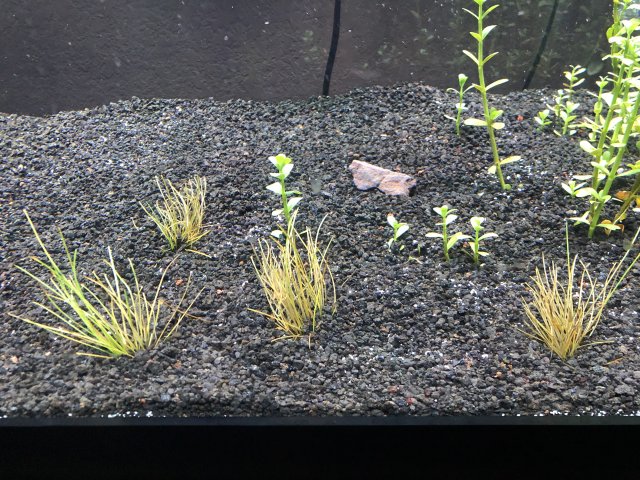
Aquarium grass turning brown is often due to poor lighting, nutrient deficiencies, or algae overgrowth.
Aquarium enthusiasts strive to create a vibrant aquatic environment, but when your lush green grass begins to turn brown, it can be perplexing and frustrating. Understanding why this happens is crucial to restoring the health and beauty of your tank. This article will explore the common causes behind browning grass and offer practical solutions to prevent and address these issues. By the end of this guide, you'll have the knowledge to maintain thriving greenery in your aquarium.
Common Causes of Browning Aquarium Grass
Aquarium grass can turn brown due to several factors. Addressing these in a timely manner can help restore the health of your aquatic plants.
Inadequate Lighting
Lighting is crucial for photosynthesis. If your aquarium lacks sufficient light, plant growth is hindered.
- Solution: Ensure your lights are suitable for aquatic plants, providing adequate intensity and duration. Consider LED options as they offer a full spectrum and are energy-efficient.
Nutrient Deficiencies
Plants need a balanced diet of nutrients, including nitrogen, phosphate, and potassium.
- Solution: Test water parameters and use fertilizers or root tabs to address deficiencies. Regularly change the water to replenish essential nutrients.
Poor Water Quality
Unbalanced water conditions can cause stress to plants, resulting in browning.
- Solution: Monitor pH, hardness, and ammonia levels. Regular water changes and a reliable filter system help maintain optimal conditions.
Algae Overgrowth
Excessive algae can block light and outcompete plants for nutrients.
- Solution: Limit light exposure, reduce feeding, and add algae-eating species like snails or certain fish to help control algae growth.
Inappropriate Substrate
Some substrates lack the nutrients vital for plant growth.
- Solution: Use aquasoil or nutrient-rich substrates that offer a stable base and nutrients for your plants. Ensure they are appropriately layered during setup.
Maintenance Tips for Healthy Aquarium Grass
Regular care and maintenance can prevent browning and promote lush growth.
- Prune regularly: Trim dead leaves and overgrowth to encourage new growth and improve water circulation.
- Balance fish load: Avoid overstocking your tank, as too many fish can lead to waste buildup and nutrient imbalances.
- Monitor CO2 levels: Ensure your plants have enough carbon dioxide, especially in densely planted tanks. Consider a CO2 system if necessary.

Personal Insights and Tips
In my experience, maintaining a thriving aquatic environment hinges on understanding the specific needs of your plants. Each species may have unique requirements, so research is vital. For example, when my Anubias started browning, improving lighting and adding root tabs made a significant difference. Always be on the lookout for early signs of stress; prompt action can prevent extensive damage.
Frequently Asked Questions
What causes my aquarium grass to turn brown?
Aquarium grass may brown due to insufficient lighting, nutrient deficiencies, or poor water conditions.
How can I improve lighting for my aquarium plants?
Use LED lights designed for aquariums that provide a full spectrum, and ensure they are on for 8-10 hours per day.
Are fertilizers necessary for aquarium grass?
Yes, fertilizers supply essential nutrients that support healthy plant growth and prevent browning.
Can algae affect my aquarium grass?
Yes, algae can block light and compete for nutrients, leading to browning of grass.
How often should I change the water in my aquarium?
Regular water changes, about 10-20% weekly, help maintain balanced water conditions.
Conclusion
Browning aquarium grass can be distressing, but understanding the underlying causes allows you to take effective action. By improving lighting, addressing nutrient deficiencies, and maintaining optimal water conditions, you can restore your aquarium to its full glory. Dive deeper into plant care techniques and watch your tank flourish. Share your successes and challenges below, and consider subscribing for more aquatic tips and insights!