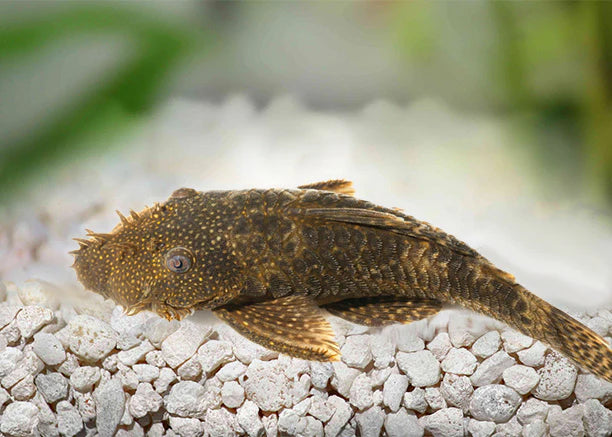
Aquariums can fill with waste due to overfeeding, poor maintenance, or inadequate filtration.
If you've noticed your aquarium isn't as pristine as you'd like, it might be swimming in waste for several reasons. Maintaining a clean aquatic environment is crucial for the health of your fish and plants. Whether you're a beginner or a seasoned aquarist, understanding why your aquarium is full of waste can help you address the problem effectively. Dive into this guide to discover insights, tips, and tricks for keeping your tank in top shape.
Understanding Aquarium Waste
Aquarium waste is a common issue, but it’s essential to grasp what causes it. Waste primarily accumulates from uneaten food, fish excreta, decaying plant material, and debris. Over time, these can lead to poor water quality, affecting the health of your aquatic life.
Overfeeding Your Fish
One major culprit behind excessive waste is overfeeding. Fish often eat just what they need, leaving leftovers to decay. This decay not only clouds the water but also produces harmful ammonia.
- Tip: Feed your fish in small amounts and observe their eating habits. Remove excess food after five minutes to prevent waste buildup.
Inadequate Filtration
Filtration systems are critical in maintaining clean water. An inadequate or malfunctioning filter can fail to process waste products efficiently.
- Tip: Choose the right filter size for your tank and perform regular maintenance. Clean your filter media as per the manufacturer's recommendations.
Unbalanced Tank Environment
An unbalanced tank with too many fish or incompatible species can lead to stress and increased waste production.
- Tip: Research the appropriate tank mates and stocking levels for your aquarium.
Irregular Maintenance Routine
An irregular cleaning schedule contributes significantly to waste accumulation. Skipping water changes and tank cleaning allows debris and toxins to build up.
- Tip: Establish a consistent maintenance schedule, including weekly water changes and gravel vacuuming.
Decaying Plant Material
If you have a planted tank, decaying plant material can add to the waste problem. Dead leaves and stems decompose and contribute to ammonia levels.
- Tip: Regularly prune your plants and remove dead or decaying matter promptly.
Practical Solutions for Waste Management
Addressing aquarium waste involves practical steps and adjustments in your care routine.
Implement a Feeding Schedule
Design a feeding schedule that suits your fish's dietary needs, reducing overfeeding risks.
Upgrade Your Filtration System
Consider investing in a high-quality filtration system if your current one isn’t performing adequately.
Regular Water Testing
Regularly test your water for ammonia, nitrite, and nitrate levels using test kits to ensure a healthy environment.
Routine Water Changes
Frequent water changes are essential. Replace 15-20% of the water weekly to keep contaminants in check.
Add Live Plants
Live plants can absorb nitrates and provide oxygen, helping maintain a cleaner tank environment.
Frequently Asked Questions
Why is my aquarium water cloudy?
Cloudy water is often due to bacterial bloom from excessive nutrients or overfeeding. Ensure you’re not overfeeding and perform regular water changes to clear it up.
How often should I change the water in my aquarium?
It's recommended to replace 15-20% of the aquarium water weekly. This helps maintain stable water chemistry and removes waste.
What’s the best way to clean aquarium gravel?
Use a gravel vacuum during water changes to remove debris without disturbing the biological balance.
Can too many fish cause excess waste?
Yes, overstocking your tank can lead to excessive waste. Stick to recommended stocking levels to maintain a balanced ecosystem.
How do live plants help reduce waste?
Live plants consume nitrates and produce oxygen, supporting beneficial bacteria that break down waste products in the water.
Conclusion
Keeping your aquarium free of waste is essential for a thriving aquatic environment. By understanding the causes and implementing a routine of regular maintenance, you can ensure a healthy, clean home for your fish. Remember, consistency is key, and a little effort goes a long way in maintaining your aquarium's balance. Ready to dive deeper? Explore more resources or leave a comment below to connect with fellow aquarists!