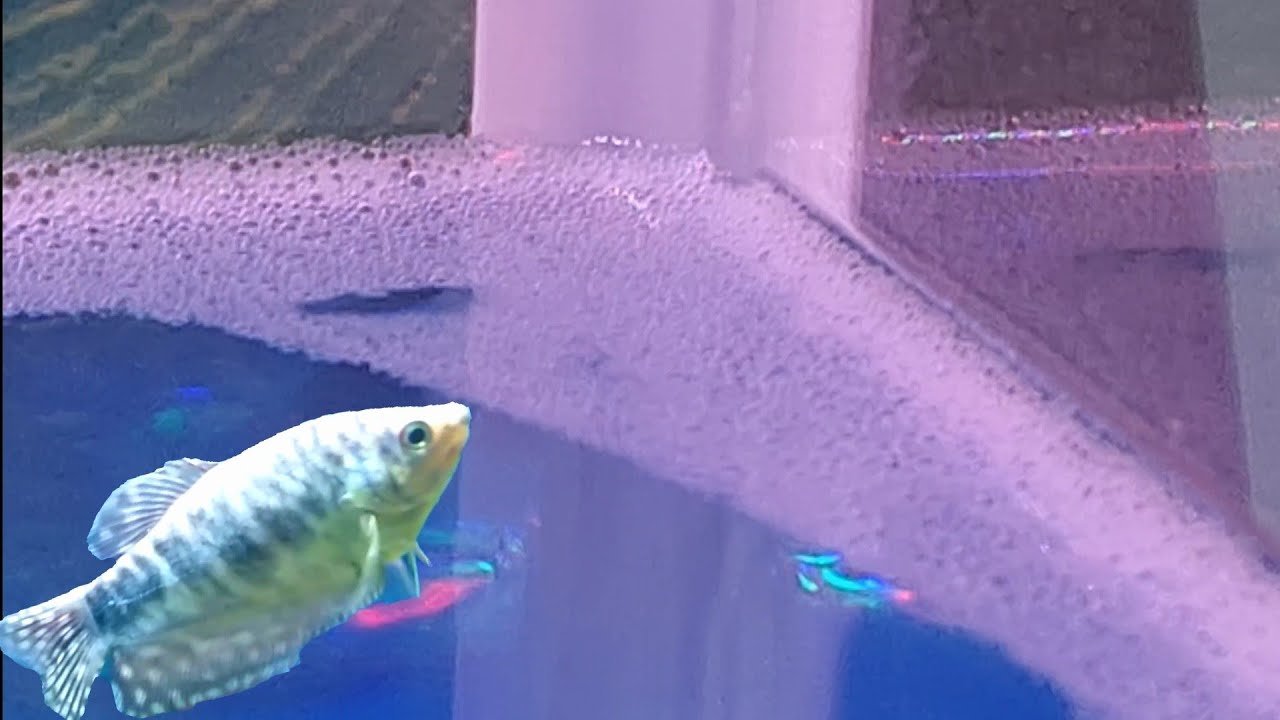
Your aquarium is foaming at the top due to organic waste, soap, or chemical imbalances.
Aquarium foaming can be a perplexing issue for many aquatic hobbyists. This phenomenon often indicates underlying factors that need addressing to ensure a healthy environment for your aquatic creatures. By diving into the causes and remedies for foaming, you will gain valuable insights into maintaining a pristine and balanced aquarium. Let's explore the reasons behind this common issue and how to resolve it effectively.
Causes of Aquarium Foaming
Understanding why your aquarium is foaming at the top can help ensure a healthier aquatic habitat. Here are the primary causes:
Organic Waste
- Decomposition: Accumulation of organic matter, such as uneaten food and fish waste, can produce foam as it breaks down.
- Overfeeding: Leading to excess waste and bacterial growth, which contributes to the foam.
Water Quality and Chemical Imbalances
- pH Levels: High or low pH can cause water instability, resulting in foam.
- Hardness and Alkalinity: Imbalanced levels can create a frothy appearance on the water’s surface.
Equipment Issues
- Protein Skimmers: While intended to reduce foam, faulty skimmers can produce excessive foam instead.
- Aeration Devices: Improper functioning may increase foam formation.
Contaminants
- Introduction of Soap or Detergents: Even small amounts can lead to foam.
- Substances in Tap Water: Chlorine and chloramines often cause bubbling and foam.
Treatment Chemicals
- Medications and Additives: Some treatments might react with water to create foam.
How to Address Aquarium Foaming
To combat aquarium foaming, follow these practical steps:
Improve Water Quality
- Regular Water Changes: Conduct frequent changes to maintain balanced water parameters.
- Test Kits: Use them to monitor pH, hardness, and other key metrics.
Clean the Aquarium
- Remove Debris: Regularly clean uneaten food and waste.
- Gravel Vacuuming: Helps prevent buildup of organic matter.
Check Equipment
- Inspect Devices: Ensure aeration and skimming devices are functioning properly.
- Upgrade if Necessary: Consider newer models to improve efficiency.
Avoid Contaminants
- Careful with Hands: Ensure hands are soap-free when handling equipment.
- Use Purified Water: Employ filters to ensure contaminants are removed.
Frequently Asked Questions
Why does my aquarium have white foam?
White foam is usually caused by organic waste decomposition or inadequate protein skimming. Regular cleaning can help eliminate this issue.
Is foaming harmful to fish?
Yes, excessive foam can indicate poor water quality, which may stress or harm fish. It's crucial to address it promptly.
How do I know if a skimmer is malfunctioning?
A malfunctioning skimmer may either produce too much foam or none at all. Check for blockages or wear-and-tear.
Can tap water cause foam?
Yes, tap water with chlorine and other chemicals can lead to foaming. Consider using a water conditioner.
Will an air stone contribute to foam?
If there's an excess of organic waste, an air stone may increase foam due to enhanced aeration. Regular maintenance helps mitigate this.
Conclusion
Foaming in your aquarium often signals the need for attention to water quality and maintenance practices. By understanding the causes and applying appropriate solutions, you can prevent foaming and ensure a balanced ecosystem for your aquatic life. Remember to regularly test and adjust your aquarium conditions, inspect equipment, and avoid contaminants. Implement these strategies today and enjoy a thriving, foam-free aquarium. Feel free to explore other resources or subscribe for more insights on maintaining your aquatic paradise.