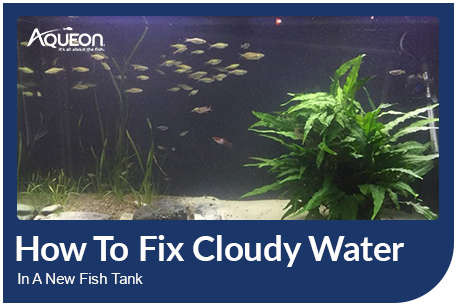
Most cloudiness after a water change is due to disturbed sediments or bacterial blooms.
Dealing with a cloudy aquarium can be frustrating, especially after you've just performed a water change expecting clearer waters. This common issue can be linked to several factors. From the particles kicked up during cleaning to a sudden change in water chemistry fostering bacterial growth, understanding these causes is key. Let's dive into why your aquarium might look cloudy and how to address this shimmering haze effectively.
Common Causes of Cloudiness After a Water Change
Cloudiness in your aquarium is not only unappealing but can also affect the well-being of your aquatic inhabitants. Here, we'll delve into the typical causes and how to manage them.
Disturbed Substrate
When cleaning, disturbing the substrate can easily cloud your water with fine particles.
- Solution: Use a gravel vacuum gently and avoid over-stirring. Over time, practice will make perfect.
Bacterial Bloom
A sudden influx of nutrients can stimulate bacterial growth, leading to cloudy water.
- Solution: Allow the tank to cycle naturally. Avoid drastic changes in water chemistry which can shock your system.
High Organic Loads
Decaying organic matter might spike after a water change, especially if debris was stirred up.
- Solution: Clean the tank regularly, keeping an eye on decaying plants or leftover food.
Chemical Imbalances
Changes in pH, ammonia, or nitrate levels can cause cloudiness.
- Solution: Test your water regularly. Adjust levels gradually to maintain a stable environment.
Overfeeding
Excess food can decay, leading to cloudiness and poor water quality.
- Solution: Feed your fish appropriately. Remove uneaten food after feeding.
Personal Experience: Tackling the Cloud
I once struggled with persistent cloudiness in my aquarium after water changes. It turned out I was being too aggressive with the gravel vacuum. By refining my technique and understanding my tank's balance, I found clarity—quite literally! It’s a learning curve, but the results are worth the effort.
DIY Approaches to Clear Cloudy Water
Sometimes, a little hands-on work can keep your aquarium pristine. Here are a few DIY tips:
- Filter Maintenance: Regularly clean and replace filter media.
- Water Conditioners: Use conditioners to bind particles and improve clarity.
- Activated Carbon: Adding carbon to filters can absorb impurities effectively.
When to Consult a Professional
If the cloudiness persists despite your best efforts, consider consulting an aquarium professional. Persistent issues might indicate a deeper problem, such as hidden decaying matter or incorrect tank cycling.
Frequently Asked Questions
Why is my tank cloudy after a week of performing a water change?
Cloudiness that appears a week later might indicate a bacterial bloom. Check water parameters and ensure you're not overfeeding.
Is cloudy water harmful to fish?
While typically not immediately harmful, prolonged cloudiness can stress fish and impact their health over time.
Can I use a clarifier to clear cloudy water?
Yes, a water clarifier can help bind tiny particles making them easier to filter out.
How often should I change aquarium water to prevent cloudiness?
Regular water changes every 1-2 weeks help maintain good water quality and lessen cloudiness.
What’s the effect of over-cleaning on cloudiness?
Over-cleaning can disrupt the beneficial bacteria responsible for breaking down waste, causing cloudiness.
Conclusion
Navigating the challenge of a cloudy aquarium after a water change requires understanding and a bit of patience. Identifying the cause—whether it's particles, bacterial blooms, or imbalances—puts you on the path to maintaining a clear and healthy habitat. Take action today to implement these strategies, and enjoy the clarity and beauty your aquarium has to offer.
For more tips on aquarium care, feel free to subscribe to our newsletter or leave a comment with your own experiences!