Cloudy aquarium water usually comes from bacteria blooms, excess waste, or poor filtration.
As an experienced aquarist, I’ll walk you through why is aquarium cloudy, how to diagnose the cause, and clear steps to fix it. I’ve kept tanks for over a decade and have seen every type of cloudiness. Read on to learn simple tests, reliable fixes, and lasting prevention tips so your tank stays clear and healthy.
Common causes of cloudy aquarium water
Cloudy water has many roots. Knowing the cause helps you fix it fast.
- Bacterial bloom. This is the most common cause of cloudy water. New tanks often get a white, milky cloud from bacteria using excess nutrients.
- Uneaten food and waste. Overfeeding and lots of fish waste cause tiny particles and more bacteria. This makes the water hazy.
- Fine substrate dust. If gravel or sand was not rinsed well, dust can float for days.
- Algae bloom. Green cloudiness often means algae in the water or on surfaces.
- Chemical issues and tannins. Old driftwood or leaves release tannins that make water yellow or brown.
- Filter problems. A clogged, undersized, or poorly running filter cannot clear tiny particles.
Why is aquarium cloudy? Often it’s a mix of these issues, not a single cause. I once set up a 20-gallon tank and rinsed the sand poorly. The tank went cloudy for a week. After regular partial water changes and leaving the filter running, the cloudiness settled in three days.

Types of cloudiness and how to spot them
Clouds look different. Match the look to the cause.
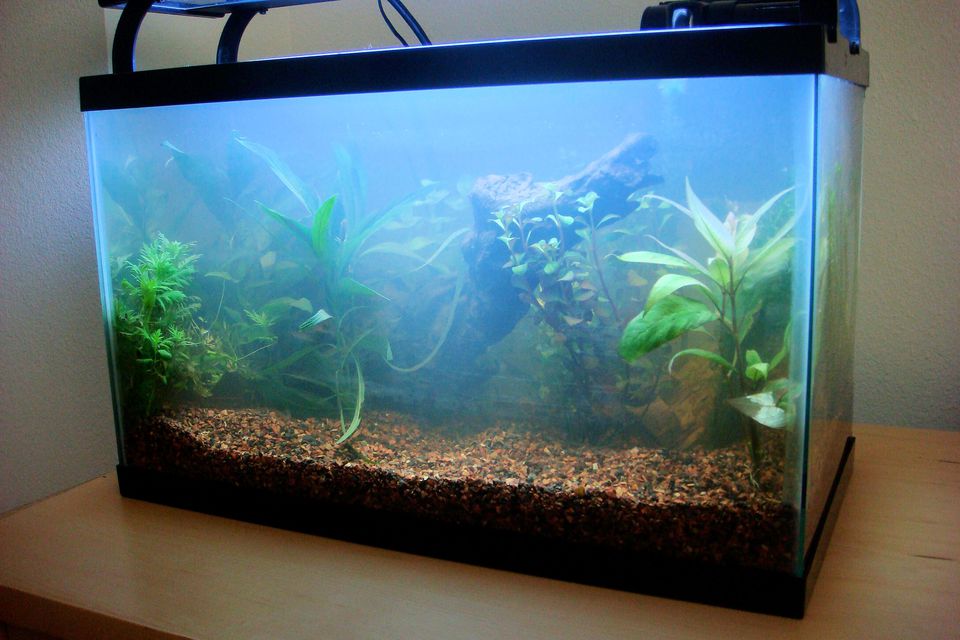
- White or milky cloud. Often bacterial bloom. The water looks like milk and may clear in days with care.
- Gray or brown haze. Usually suspended particles from gravel or waste.
- Green tint. Classic algae bloom from light or nutrient overload.
- Yellow or tea-colored water. Tannins from wood or leaves. It’s not harmful but affects clarity.
Ask: did the cloud form after a tank change, after adding fish, or after cleaning? That timing gives a strong clue about why is aquarium cloudy. In many cases, the pattern solves the riddle fast.
How to diagnose the problem
Use simple tests and look closely.
- Test the water. Check ammonia, nitrite, nitrate, and pH. High ammonia often links to bacterial blooms.
- Observe the surface and glass. Green on the glass points to algae. Floating dust points to substrate issues.
- Check the filter. Look for clogs, and see if the filter floss is full.
- Review recent changes. Added fish, new substrate, heavy feeding, or meds can cause cloudiness.
When I had a cloudy tank that did not respond to water changes, testing showed a spike in ammonia. A slow filter start had allowed waste buildup. Once I fixed the filter and did a few partial water changes, clarity returned.
Quick fixes and step-by-step treatments
Follow these steps to clear the water safely.
- Do a partial water change of 20 to 30 percent. Use dechlorinated water at tank temperature.
- Siphon the substrate. Remove uneaten food and waste from the gravel.
- Clean or replace filter media if it is clogged. Do not replace all biological media at once.
- Reduce feeding. Feed small amounts once or twice daily and remove leftovers.
- Run carbon or a clarifier if needed. Carbon removes tannins; clarifiers help clump fine particles.
- Cut back light and nutrients for algae. Reduce light hours and check fertilizer use.
Avoid big, sudden changes. Large water swaps or scrubbing all bacteria away can worsen the cycle. Small, steady steps usually fix why is aquarium cloudy without harming fish.

Long-term prevention and maintenance
Preventing cloudiness is easier than fixing it.
- Set a regular water change schedule. Weekly or biweekly partial changes keep nutrients low.
- Keep filter size appropriate. Aim for a filter that turns over the tank water 4 to 6 times per hour.
- Rinse new substrate well. Run water until it runs clear before adding it to the tank.
- Avoid overstocking. Too many fish create too much waste.
- Use a feeding plan. Feed what fish can eat in 1 to 2 minutes.
- Maintain live plants. Plants compete with algae for nutrients and can help keep water clear.
I learned this the hard way after overcrowding a community tank. Frequent small changes and better filtration kept the water clear and reduced fish stress.
When to use chemical treatments and clarifiers
Chemicals can help but use them with care.
- Clarifiers bind tiny particles so the filter can remove them. Use short-term only.
- Activated carbon removes odors and tannins. Replace regularly.
- Antibiotics or antimicrobials are for confirmed diseases only. They can harm beneficial bacteria that keep your tank cycling.
- Water softeners or conditioners can help specific issues. Always follow dose directions.
Think of chemicals as a last resort. Often mechanical cleaning and proper maintenance answer why is aquarium cloudy with fewer risks.
Troubleshooting checklist: quick summary
Follow this checklist when your tank clouds.
- Test water for ammonia, nitrite, and nitrate.
- Do a 20 to 30 percent water change.
- Siphon the substrate and remove debris.
- Check and clean the filter media.
- Reduce feeding and light exposure.
- Consider a clarifier or carbon for persistent haze.
This routine solved many cloudy episodes in my tanks. It’s simple, safe, and fast when done right.

Frequently Asked Questions of why is aquarium cloudy
Why did my aquarium suddenly get cloudy after adding fish?
Cloudiness after adding fish usually comes from extra waste and uneaten food that feed bacteria. Do partial water changes and monitor ammonia to help the cycle settle.
Can I use water clarifier every time the tank is cloudy?
You can use clarifiers short-term, but they mask the root cause. Use them sparingly while fixing filtration or cleaning the tank.
How long does a bacterial bloom last?
A bacterial bloom can last a few days to a week. It often clears as the biofilter establishes or excess nutrients drop.
Will over-cleaning the filter cause cloudiness?
Yes. Replacing all biological media or using chlorinated water can remove beneficial bacteria and trigger cloudiness. Clean filters gently.
Is cloudy water harmful to fish?
Mild cloudiness is usually not harmful but signals imbalance. High ammonia or nitrite from some cloudiness can harm fish, so test water and act.
Can gravel cause cloudy water?
Yes. Unrinsed new gravel releases fine dust that clouds water. Rinse thoroughly before adding to the tank.
Conclusion
Cloudy tanks are common and fixable. Most often, why is aquarium cloudy comes down to bacteria, waste, substrate dust, algae, or filter issues. Test the water, make small consistent fixes, and keep a steady maintenance routine. Try the checklist above this week and watch your tank clear up. Share your results or questions below, and consider subscribing for more simple aquarium care tips.