
High nitrate levels form from waste buildup and poor maintenance, harming fish and plants.
I have kept aquariums for years and seen firsthand why high nitrate levels in aquarium tanks cause stress, algae, and slow declines in fish health. This guide explains why high nitrate levels in aquarium systems happen, how they harm your tank, and clear, simple steps you can take to fix and prevent them. Read on for practical tips, testing advice, and lessons from my own tanks to help you keep water safe and clear.
:strip_icc()/nitrates-in-the-aquarium-1381883_sourcefile-7bb5b3a043c843f2807555f605cf31b4.jpg)
Why high nitrate levels in aquarium occur
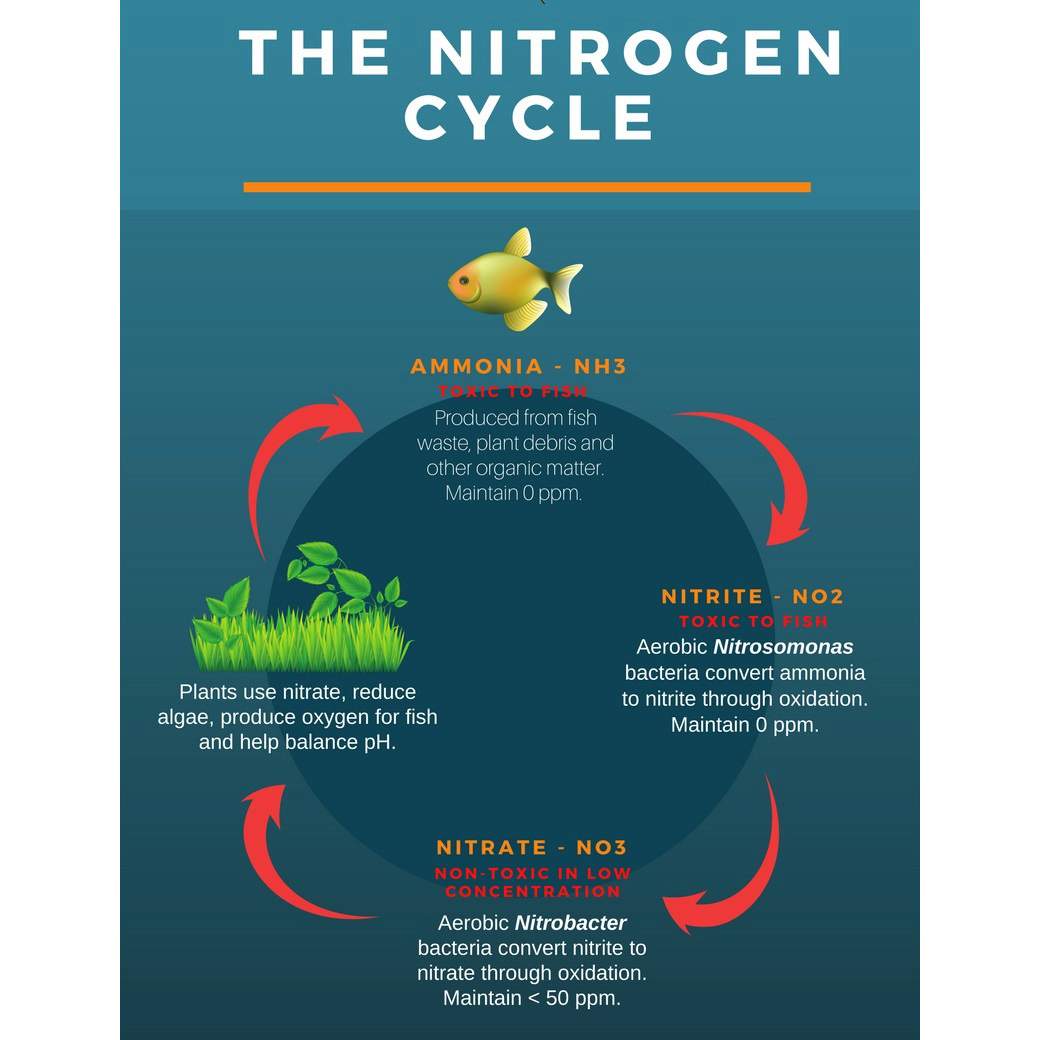
Why high nitrate levels in aquarium usually start with basic tank habits and biology. Fish waste, uneaten food, and decaying plants break down into ammonia. Beneficial bacteria convert ammonia first to nitrite and then to nitrate. If you add more waste than bacteria and water changes can handle, nitrates rise.
- Overstocking the tank, which produces more waste than the filter can process.
- Overfeeding, leaving food to rot and fuel nitrate buildup.
- Poor or infrequent water changes that let nitrates accumulate.
- Weak or immature biological filtration that cannot complete the nitrogen cycle.
- Decaying plants and driftwood that slowly release nutrients.
Understanding these causes helps you see why high nitrate levels in aquarium water are often preventable with simple care.
Effects on fish, plants, and water quality
High nitrate levels in aquarium water hurt fish health over time. Chronic exposure can weaken immune systems and make fish more prone to disease. Young fish and sensitive species show stunted growth and color loss first.
Plants react too. Some fast-growing plants tolerate nitrates and even thrive, but many aquarium plants will yellow or drop leaves if nitrates climb too high. Algae love nitrates, so levels that are too high often lead to green water and surface scum. Poor water quality also reduces oxygen levels at night, which stresses all tank life.
:strip_icc()/Aquarium-nitrates-GettyImages-699176523-58b857903df78c060e7cc468.jpg)
How to test and monitor nitrate levels
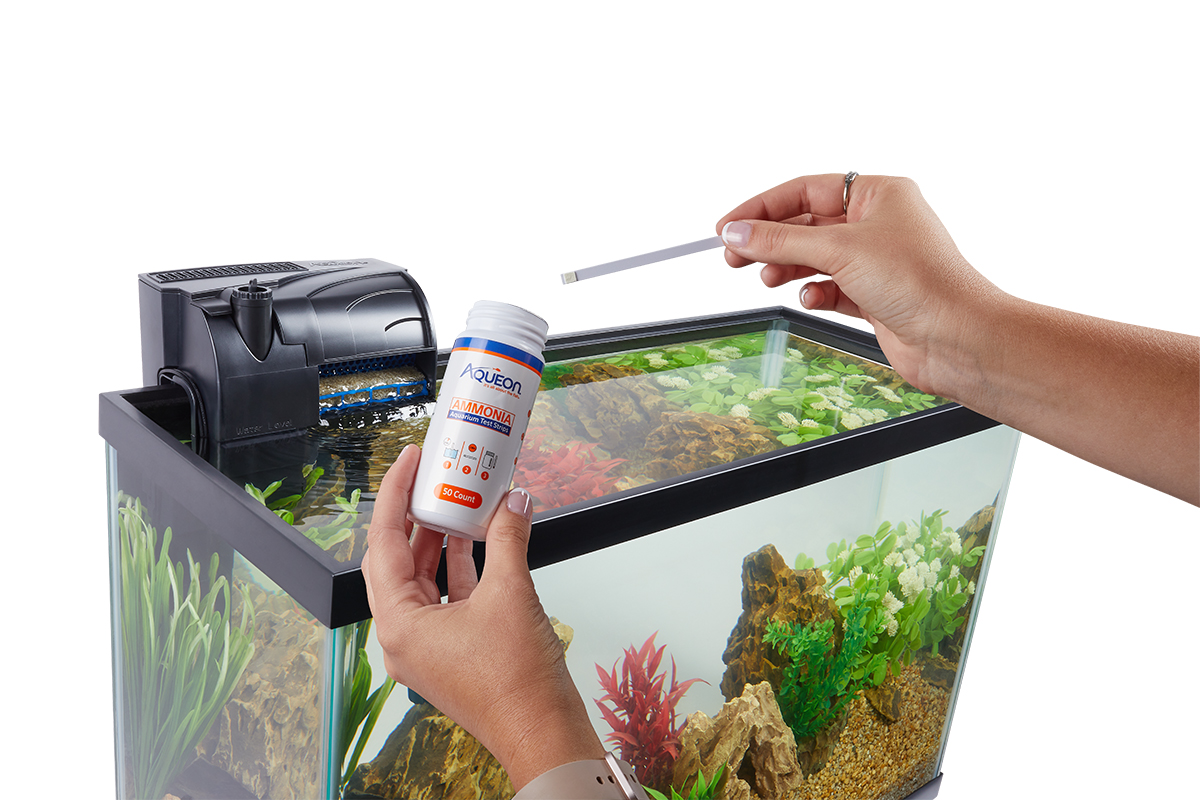
Regular testing is the first step to control. Use test strips or liquid test kits to check nitrate levels weekly. Aim for nitrate readings below 20 ppm for sensitive tanks and under 40 ppm for community setups.
Keep a log of readings to see trends over time. Test after water changes, after adding fish, and if algae flares up. This simple habit shows why high nitrate levels in aquarium systems rise and fall.

How to reduce high nitrate levels in aquarium
Lowering nitrates is straightforward when you follow clear steps. Start with frequent water changes. Replace 20 to 50 percent of water weekly until nitrates drop to acceptable levels.
Other effective steps:
- Vacuum the substrate carefully to remove trapped waste and leftover food.
- Cut back feeding to once or twice a day and only what fish eat in two minutes.
- Add fast-growing plants that use nitrates for growth, like hornwort or water sprite.
- Improve biological filtration with media that supports nitrifying bacteria.
- Consider a nitrate-specific filter media or a denitrator for stubborn tanks.
- Use an efficient protein skimmer in marine tanks to remove organic waste before it breaks down.
Combining these steps will quickly explain why high nitrate levels in aquarium tanks become manageable.

Prevention and a simple maintenance routine
A steady routine keeps nitrate low and your tank healthy. A simple weekly plan works well for most hobbyists.
Weekly routine:
- Do a partial water change of 20 to 30 percent.
- Test nitrates, ammonia, and nitrite once a week.
- Siphon the gravel and trim dead plant matter.
- Clean mechanical filter media in old tank water to avoid killing bacteria.
- Adjust feeding and stocking as needed.
Follow this routine and you will rarely ask why high nitrate levels in aquarium tanks spike unexpectedly. Consistency is the most powerful defense.

Personal experience and a quick case study
In one of my community tanks I once ignored small algae patches. The nitrate test showed 80 ppm. I did a 40 percent water change and cut feeding by half. I also added fast-growing plants and performed weekly partial changes for two months.
Within six weeks nitrates fell below 20 ppm and the algae faded. My fish regained color and activity. That experience taught me to check nitrates before guessing at disease or water temperature. It also showed how small, consistent actions solve why high nitrate levels in aquarium systems become a chronic problem.
Common mistakes and what to avoid
Avoid these frequent mistakes that cause nitrate trouble. They waste time and stress fish.
Common errors:
- Overfeeding because it seems like fish want more food.
- Skipping water tests and assuming the water is fine.
- Cleaning all filter media at once, which strips away beneficial bacteria.
- Adding many new fish at once without time to grow the biofilter.
- Relying only on chemical fixes without improving basic care.
Correct these and you will fix the core reasons behind why high nitrate levels in aquarium tanks rise.
Frequently Asked Questions of why high nitrate levels in aquarium
What nitrate level is too high for a freshwater tank?
For most freshwater aquariums, sustained nitrate above 40 ppm is considered high. Sensitive species and breeding tanks should aim for under 20 ppm.
How fast do nitrates rise after adding fish?
Nitrates can rise within days if you add many fish at once or overfeed. A good practice is to add a few fish at a time and test weekly.
Can live plants remove nitrates completely?
Live plants reduce nitrates but rarely remove them entirely on their own. Fast-growing plants help a lot, but you still need water changes and good filtration.
Are nitrate test strips accurate enough?
Test strips offer quick checks but can be less precise than liquid kits. Use a liquid test kit for more accurate readings if you need exact numbers.
Will activated carbon lower nitrates?
Activated carbon removes some dissolved organics but does not remove nitrates effectively. Use nitrate-specific media or water changes to reduce nitrate levels.
Can a protein skimmer help in a freshwater tank?
Protein skimmers are mainly for marine tanks and do not work well in freshwater systems. Mechanical and biological filtration and water changes are better for fresh tanks.
How often should I change water to control nitrates?
Weekly partial water changes of 20 to 30 percent are a reliable baseline. Increase change size or frequency if nitrates remain high.
Do plants ever cause nitrate spikes?
Decaying plants can release nitrates as they break down. Remove rotting plant parts to prevent slow nitrate rises.
Conclusion
High nitrates are usually a sign that a tank needs better care, not a mystery problem. Regular testing, smart feeding, good filtration, and steady water changes are the key actions that fix and prevent high nitrate levels in aquarium setups. Start small: test, change water, and adjust feeding this week. If you found this useful, try the steps on one tank and leave a comment about your results or subscribe for more tank care tips.