Poor water quality, stress, and disease are the main reasons aquarium fish die.
I’ve kept aquariums for years and helped others fix sick tanks. This guide explains why fishes are dying in aquarium with clear, practical steps. You will learn simple checks, real-life fixes, and ways to stop common problems fast. Read on to keep your fish healthy and happy.
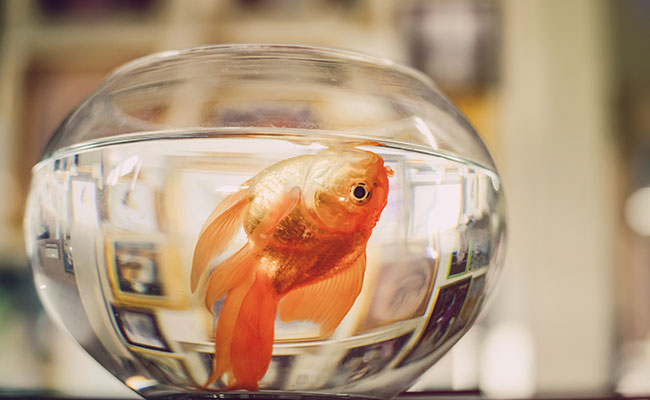
Common reasons aquarium fish die
Many fish die for simple, fixable reasons. The top causes are poor water quality, sudden temperature shifts, infectious disease, overcrowding, and toxic chemicals. Each cause shows specific signs you can spot early.
- Poor water quality: high ammonia, nitrite, or nitrate levels poison fish.
- Temperature shock: sudden hot or cold changes stress fish and lower immunity.
- Disease and parasites: infections spread quickly in small tanks.
- Overcrowding and stress: too many fish cause fights and waste build-up.
- Toxins: chlorinated tap water, copper, or household cleaners can kill fish.
When you ask why fishes are dying in aquarium, start with water tests and observe behavior. Small fixes often stop more deaths.
Water quality and chemistry basics
Clean water is the single most important factor. Ammonia and nitrite are deadly at low levels. Nitrate is less toxic but harmful in high amounts.
- Test weekly: check ammonia, nitrite, nitrate, and pH with strips or kits.
- Cycle the tank: establish beneficial bacteria before adding many fish.
- Do water changes: replace 10–30% weekly to lower toxins.
- Dechlorinate: always treat tap water to remove chlorine and chloramine.
- Stabilize pH and hardness: sudden swings harm fish.
From my experience, a new tank that was not cycled lost several small fish in two weeks. After cycling and regular tests, deaths stopped. If you wonder why fishes are dying in aquarium, poor or changing water chemistry is often the answer.

Disease and parasites: detection and response
Illness spreads fast in tanks. Learn the common culprits and act early.
- Ich (white spots): fish scratch, show white dots, and breathe fast.
- Fin rot: fins fray and rot back, often from poor water or injury.
- Bacterial infections: ulcers, cloudy eyes, or gasping at the surface.
- Fungal infections: cotton-like growths on skin or fins.
- Parasites: quick weight loss, flashing, or visible worms.
Quarantine new fish for two weeks. Treat sick fish in a separate hospital tank when possible. When investigating why fishes are dying in aquarium, check for disease signs before assuming water chemistry alone is to blame.

Stress, behavior, and compatibility
Stress makes fish vulnerable. Stressors include bullying, wrong tankmates, and lack of hiding spots.
- Know species needs: some fish are peaceful; others are aggressive.
- Provide hiding places: plants, caves, and decorations reduce stress.
- Avoid sudden changes: slow feeding, lighting, and temperature changes.
- Watch for aggression: nipped fins and hiding fish indicate trouble.
I once mixed a territorial species with peaceful ones, and the tank saw repeated deaths. Separating fish and rearranging decor ended the problem. If you ask why fishes are dying in aquarium, consider social stress and the tank layout.

Tank setup, filtration, and equipment
Proper gear matters. A good filter, heater, and test kit are essential.
- Use the right filter: match tank size and bioload; clean but don’t overclean media.
- Keep stable temperature: most tropical fish need 75–82°F (24–28°C).
- Ensure oxygen: avoid low surface agitation; add air stones if needed.
- Maintain lighting: mimic day/night cycles to reduce stress.
I learned to trust a reliable filter and heater after losing fish to cold nights once. Proper equipment reduces many causes of why fishes are dying in aquarium.

Feeding, nutrition, and overfeeding
Diet affects health and water quality. Overfeeding is one of the most common mistakes.
- Feed small amounts: only what fish eat in 2–3 minutes, once or twice daily.
- Choose varied food: mix flakes, pellets, frozen, and live food where appropriate.
- Avoid human food and fillers: poor diets weaken fish immunity.
- Remove uneaten food: decaying food raises ammonia and causes illness.
When I trimmed feeding and cleaned more often, water tests improved and fish lived longer. If you wonder why fishes are dying in aquarium, review feeding habits first.

Prevention and treatment checklist
A clear routine prevents most deaths. Follow these steps to protect your fish.
- Test water weekly and after changes.
- Quarantine new fish for at least two weeks.
- Do regular water changes and substrate cleaning.
- Keep a stable temperature and consistent lighting schedule.
- Observe fish daily for odd behavior or spots.
- Treat identifiable diseases promptly in a hospital tank.
- Avoid overstocking and match compatible species.
If a fish dies, remove it quickly and test the water. If several die, do a 25–50% water change, check parameters, and isolate sick fish. These steps answer many cases of why fishes are dying in aquarium.

Frequently Asked Questions of why fishes are dying in aquarium
Why do fish suddenly die overnight?
Sudden deaths are often caused by spikes in ammonia, rapid temperature drops, or toxins. Test water and check heater and filter immediately.
Can overfeeding kill my fish?
Yes. Overfeeding causes high ammonia and poor water quality, which can suffocate or poison fish within days. Feed less and remove uneaten food.
How does new tank syndrome cause deaths?
New tank syndrome occurs when beneficial bacteria are not established, leading to toxic ammonia and nitrite spikes. Cycle the tank before adding many fish.
Should I use medication at the first sign of disease?
Not always. Identify the disease first and use medicines in a quarantine tank to avoid stressing healthy fish and disrupting beneficial bacteria. Follow dosage instructions carefully.
How long should I quarantine new fish?
Quarantine for at least two weeks to watch for signs of disease and avoid introducing parasites or bacteria. Treat during quarantine if problems appear.
Can poor temperature cause long-term deaths?
Yes. Repeated temperature stress damages immune systems and leads to chronic disease and early death. Use a reliable heater and monitor temperature daily.
Is tap water safe for aquariums?
Tap water must be treated for chlorine or chloramine and adjusted for pH and hardness as needed. Untreated tap water can kill fish.
Conclusion
Fish die for clear reasons you can fix. The main causes are poor water quality, stress, disease, incompatible tankmates, and bad equipment. Test water, quarantine new fish, feed properly, and keep the tank stable to prevent most deaths. Take action today: test your water, review stocking levels, and set a simple maintenance plan. Share your tank story or ask a question below to get tailored advice.