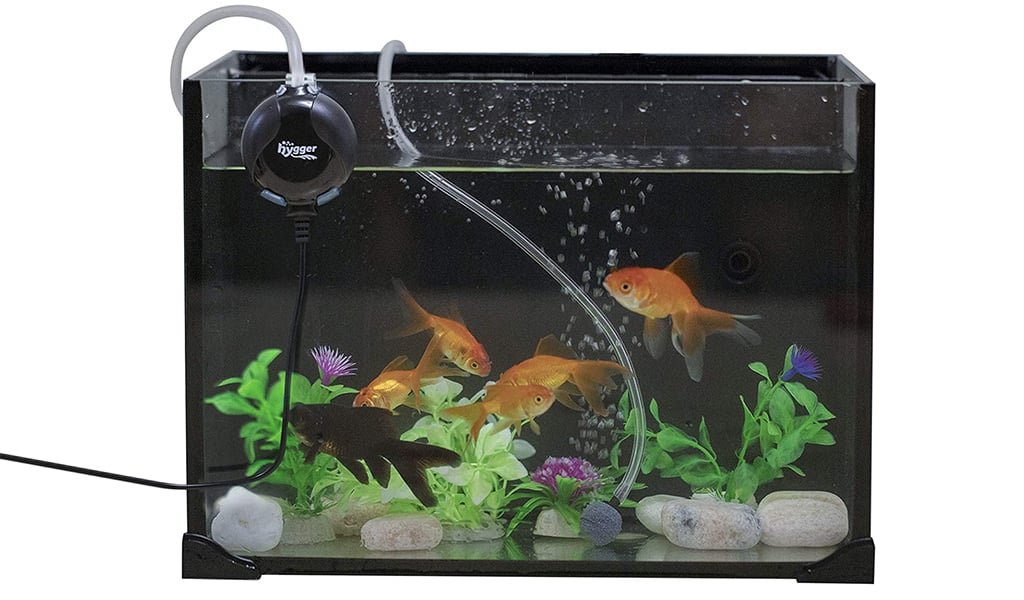
Fish need oxygen in an aquarium because they extract dissolved oxygen from water to survive.
As a longtime aquarist and fish-health consultant, I’ll explain why fish need oxygen in aquarium, what happens when levels drop, and simple steps you can take to keep your tank healthy. I’ve kept community, reef, and planted tanks for years, and I’ve used testing, aeration, and flow adjustments to prevent emergencies. Read on for clear, practical guidance that combines science and hands-on tips so you can confidently protect your fish and keep oxygen levels stable.

How fish extract and use oxygen
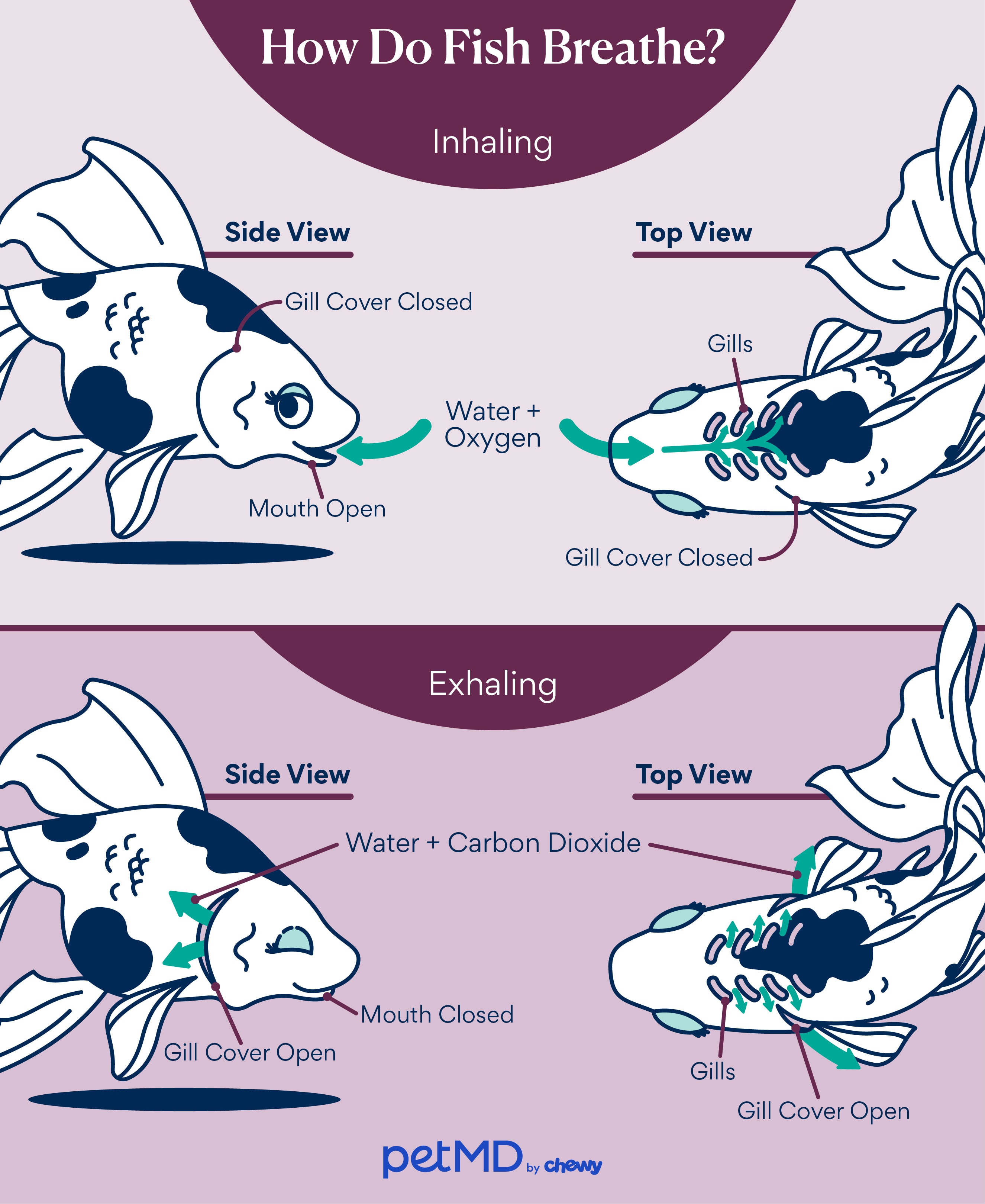
Fish take in oxygen dissolved in water through their gills. Water flows across thin gill filaments where oxygen passes into the bloodstream and carbon dioxide leaves. This gas exchange is essential for cell function, growth, and energy production. When you understand why fish need oxygen in aquarium, you see that oxygen drives every physiological process in a fish.
I’ve watched oxygen-starved fish slow their movements and gasp at the surface. That visual is a direct sign that the gills can’t meet oxygen demand. Keeping that exchange smooth is the first step to healthy fish.
Main sources of oxygen in an aquarium
Oxygen comes from three key sources in a tank:
- Surface exchange where oxygen enters water at the air-water interface.
- Photosynthesis by aquatic plants and algae during daylight, which releases oxygen into the water.
- Mechanical aeration and water movement from filters, powerheads, or air stones that increase gas transfer.
When you know why fish need oxygen in aquarium, you appreciate how these sources combine to meet fish needs. Tanks with dense planting, proper flow, and surface movement stay oxygen-rich.

Factors that reduce dissolved oxygen
Several common aquarium conditions lower oxygen levels:
- High temperature reduces oxygen solubility and raises fish metabolism.
- Overcrowding increases oxygen demand.
- Excess organic waste and decaying plants consume oxygen during decomposition.
- Poor surface agitation limits gas exchange.
I once kept a small tank with too many fish and a clogged filter. Nighttime oxygen crashes led to lethargy and a few losses. The fix was simple: reduce stock, clean the filter, and add gentle surface flow.
Signs your fish are low on oxygen
Watch for these clear signs of low oxygen:
- Fish gasping at the surface or hanging near the filter outlet.
- Rapid or labored breathing—gill movement looks exaggerated.
- Lethargy, loss of appetite, and reduced activity.
- Increased aggression or clustering near well-oxygenated areas.
Not every gasp means an oxygen emergency, but repeated surface gasping at dawn or dusk suggests poor nighttime oxygen. Acting early prevents fatalities.
How to increase oxygen in your aquarium
Use these practical methods to raise oxygen safely:
- Improve surface agitation with a filter outlet, sponge filter, or powerhead placed to stir the top layer.
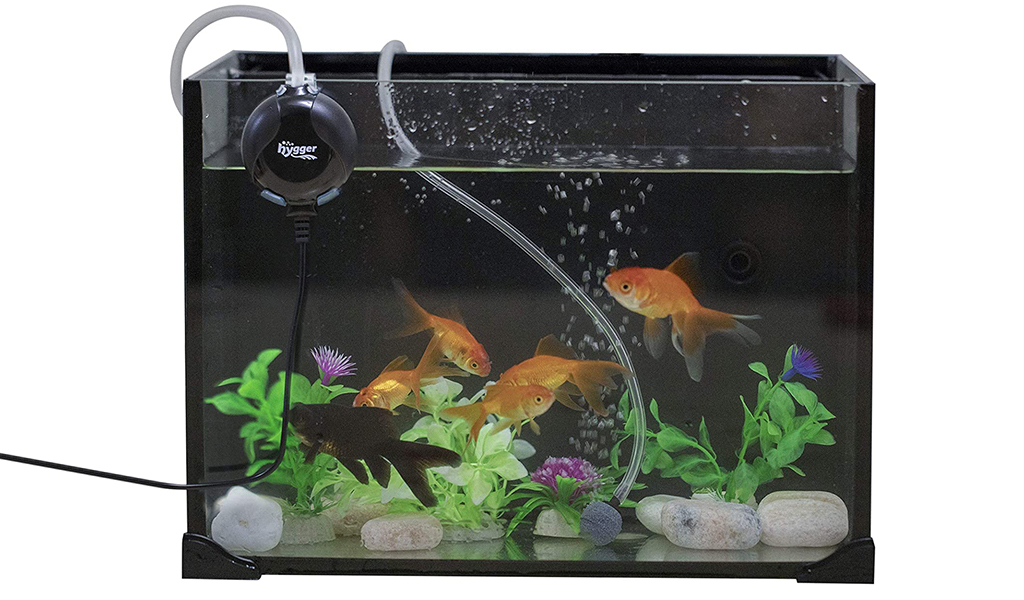
- Add an air stone or diffuser to create bubbles that boost gas exchange.
- Reduce water temperature slightly to increase oxygen solubility when safe for your species.
- Perform regular water changes to remove waste and replenish oxygen.
- Avoid overfeeding and remove excess decaying matter quickly.
- Introduce live plants for daytime oxygen, but ensure good night aeration since plants consume oxygen at night.
From experience, combining a small air stone with better surface flow is the fastest, cheapest fix. It prevents panic and buys time if you must make larger adjustments.

Balancing plants and oxygen needs
Plants release oxygen during the day and help water quality, but they also use oxygen at night. This can matter in heavily planted tanks or systems with limited aeration. If you keep many plants, make sure your tank has good surface movement or continuous aeration to cover nighttime oxygen demand.
I learned this the hard way with a densely planted nano tank. Adding a gentle circulation pump eliminated occasional dawn gasping without harming plant growth.
Monitoring dissolved oxygen and water parameters
You can monitor oxygen in a few ways:
- Use test kits or electronic dissolved oxygen meters for direct measurement.
- Track related parameters: temperature, ammonia, nitrite, and nitrate can hint at oxygen issues.
- Observe fish behavior daily; visual signs are often the first alert.
I check water parameters weekly and observe fish every day. A simple DO meter gave me peace of mind for a busy reef setup. Testing removes guesswork.

Common mistakes and how to avoid them
Avoid these frequent errors:
- Relying only on plants to oxygenate a tank, especially at night.
- Overcrowding without considering oxygen demand.
- Ignoring temperature effects—warmer tanks need more aeration.
- Waiting until fish gasp at the surface to act.
Fixes are straightforward: adjust stocking, add aeration, and maintain good filtration. Treat oxygen management as routine care, like feeding or cleaning.

Safety considerations and limitations
When improving oxygen, keep these safety notes in mind:
- Sudden large water temperature changes can stress fish; adjust slowly.
- Some species prefer low flow—balance oxygenation with habitat needs.
- High oxygen levels can accelerate gas bubble disease in rare cases if water is supersaturated. This is uncommon in well-managed tanks.
Transparency matters. While oxygen fixes are simple, consider species-specific needs and avoid drastic shifts that stress fish.
Practical checklist: daily and weekly oxygen care
Follow this checklist to keep oxygen stable:
- Daily: Observe fish behavior and surface activity.
- Weekly: Test temperature, ammonia, nitrite, and nitrate.
- Biweekly: Clean filters and remove decaying plant matter.
- As needed: Add or adjust aeration and surface agitation.
Simple routines prevent most oxygen problems. I use a short checklist stuck near my tank and it saved me from several near-miss oxygen crises.
Frequently Asked Questions of why fish need oxygen in aquarium
Why do fish gasp at the surface of the aquarium?
Fish gasp at the surface when they seek higher oxygen levels because the air-water interface has more oxygen exchange. This often indicates low dissolved oxygen or poor circulation in the tank.
Can plants alone provide enough oxygen for fish?
Plants provide oxygen during the day but consume oxygen at night. Relying solely on plants risks nighttime oxygen dips, so supplemental aeration is usually needed.
How does water temperature affect oxygen levels?
Warm water holds less dissolved oxygen and raises fish metabolic rates, which increases demand. Cooler, species-appropriate temperatures help maintain higher oxygen concentration.
Is an air stone necessary for every aquarium?
An air stone is not mandatory but is a low-cost, effective way to boost surface agitation and aeration. It is especially useful in tanks with low flow or high stocking density.
How often should I test dissolved oxygen in my tank?
Testing dissolved oxygen regularly is helpful but not always needed daily. Check when you change livestock, notice behavior changes, adjust temperature, or after major tank changes.
What immediate steps should I take during an oxygen emergency?
Increase surface agitation with a powerhead or air stone, perform a partial water change with oxygen-rich water, and reduce feeding. If available, temporarily lower water temperature slightly within safe limits for your species.
Conclusion
Understanding why fish need oxygen in aquarium is one of the most important parts of fish care. Oxygen supports breathing, metabolism, and overall health, and low levels cause clear, preventable problems. Use simple steps—surface agitation, aeration, proper stocking, and routine testing—to keep oxygen steady. Start a small monitoring routine today: observe your fish, test water, and add gentle flow if needed. Take action now to protect your fish and enjoy a vibrant, healthy aquarium. Leave a comment with your oxygen challenges or subscribe for more practical aquarium tips.