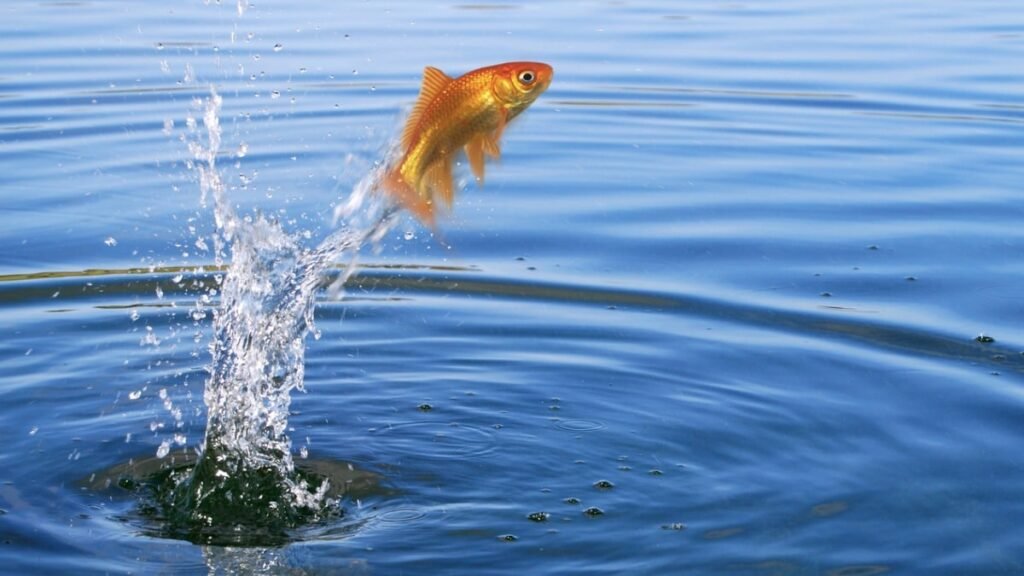
Fish often jump because of stress, poor water, fright, or to explore beyond the tank.
I’ve kept aquariums for years, and I’ll walk you through why fish jump out of aquarium with clear, practical advice. I combine hands-on experience, hobbyist best practices, and research-backed reasons so you can stop surprise escapes and keep fish safer and calmer.

Common reasons why fish jump out of aquarium
Fish jump for many clear reasons. Understanding these helps you act fast.
- Stress from poor water quality: High ammonia or nitrite often makes fish gasp near the surface and jump.
- Low oxygen levels: Fish try to reach the surface for air and may bolt out of the tank.
- Sudden noises or vibrations: Loud bangs, tapping, or heavy footsteps can startle fish into jumping.
- Aggressive tank mates: Bullies chase smaller fish, forcing them to flee and sometimes leap out.
- Spawning or mating behavior: Some species leap during courtship or when looking for a place to spawn.
- Inadequate tank cover: A shallow rim or no lid makes it easy for a jump to become an escape.
- Reflection and light changes: Reflections, flash photography, or sudden light can confuse fish and trigger jumps.
- Disease and parasites: Pain or irritation from parasites can make fish frantic and more likely to jump.
These causes show why fish jump out of aquarium. Fixing the root cause reduces repeats.

How to spot signs that a fish may jump
Catch the signs early. Small changes often predict a jump.
- Gasping at the surface: This often means poor oxygen or bad water.
- Darting and erratic swimming: Nervous behavior can precede a jump.
- Hiding then quick bolt: Fish that hide then suddenly sprint often try to flee the tank.
- Flashing and rubbing: Parasites or irritation make fish restless and more likely to leap.
- Increased aggression: If chasing rises, targeted fish may try to escape.
Spotting these signs helps you intervene before a fish leaves the water.

Preventing jumps: practical steps to stop fish from jumping
Prevention is simple and effective when you follow small rules.
- Fit a secure lid or mesh cover: Use a glass or mesh lid that allows air but stops escape.
- Keep water quality high: Test weekly for ammonia, nitrite, and nitrate and act quickly on spikes.
- Improve oxygenation: Add an air stone, gentle powerhead, or increase surface agitation.
- Reduce stressors: Move noisy gear, lower sudden light changes, and avoid tapping glass.
- Match compatible tank mates: Avoid mixing aggressive species with timid ones.
- Provide hiding spots: Plants and caves give fish safe places and reduce flight responses.
- Feed well and regularly: Hungry fish may act erratically; stable feeding reduces stress.
- Maintain stable temperatures: Sudden drops or rises make fish restless and prone to escape.
These steps directly target why fish jump out of aquarium and lower the chance of accidents.
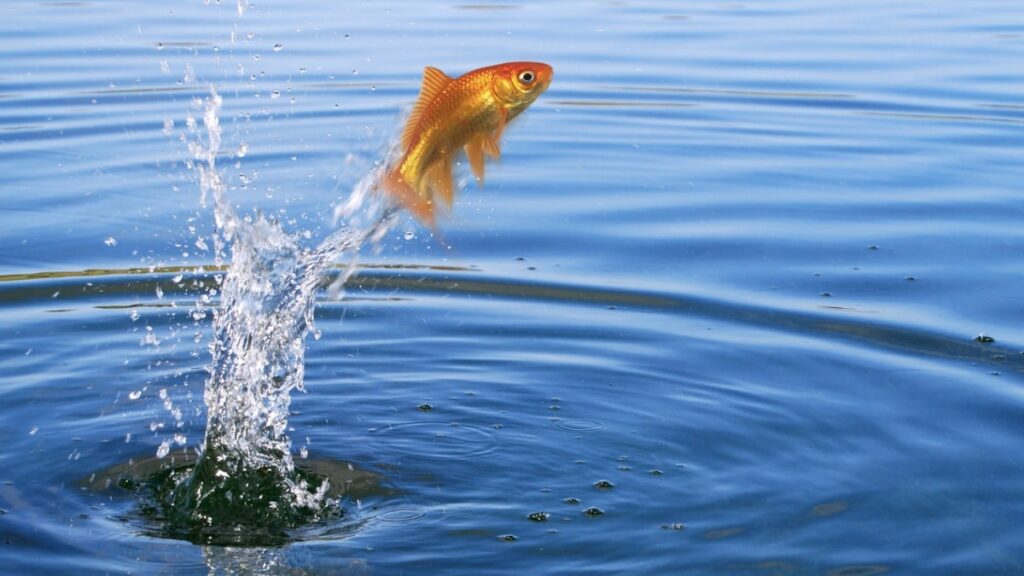
What to do if a fish jumps out of the aquarium
Act fast but stay calm. Your response can save the fish.
- Keep the fish moist: Cover it with a wet towel or keep it in a shallow wet container.
- Move quickly to return it: Use wet hands or a soft net and support the body gently.
- Check for injuries: Look for torn fins, scale loss, or bleeding and note any symptoms.
- Place it in a recovery tank if needed: A small, clean container with water from the tank helps recovery.
- Treat if injured or stressed: Use salt dips or quarantine medications only as recommended for the species.
- Observe closely after return: Watch breathing and behavior for 24–48 hours for lingering issues.
Fast, calm action reduces shock and improves survival after a jump.

Tank design and equipment to reduce jumping
Good design stops many problems before they start.
- Use a fitted glass lid with secure clips: This blocks all but allows light and feeding holes.
- Install a mesh top for ventilation: Mesh keeps fish in while letting air pass.
- Keep water level below the rim: A 1–2 inch gap lowers the chance a fish can clear the edge.
- Add surface agitation where safe: Moves improve oxygen and reduce gas pockets near the surface.
- Avoid strong outflows aimed at the surface: Strong jets can push fish upward and out.
- Use rounded decorations and safe plants: Sharp edges can injure fish during a frantic jump.
Design choices directly affect why fish jump out of aquarium and how often they try.

Personal experience and lessons learned
I once lost a small gourami to a late-night jump. I had no lid and thought it would be fine. After that, I changed three habits that saved other fish.
- Always use a cover even on short-term tanks. I learned the hard way that a calm night can turn noisy fast.
- Test water more often after changes. I found nitrite spikes after adding new fish once, which made the whole tank act up.
- Watch interactions, not just water. A new, timid fish was chased into corners and tried to leap out; moving it to a quieter tank helped instantly.
These real moments teach that small fixes stop most escapes.

Monitoring and maintenance checklist
Keep this short checklist handy. Do each item weekly or as noted.
- Test water: ammonia, nitrite, nitrate, and pH weekly.
- Check filter and flow: clean media monthly and ensure gentle surface flow.
- Inspect lids and covers: ensure clips and seals are secure every week.
- Observe fish behavior daily: note any new darting, gasping, or flashing.
- Feed consistent amounts: avoid overfeeding and underfeeding.
- Quarantine new fish: observe for parasites for two weeks before adding them.
A steady routine reduces the main reasons why fish jump out of aquarium.
Frequently Asked Questions of why fish jump out of aquarium
Can any fish jump out of an aquarium?
Yes. Many species can and will jump if stressed, startled, or poorly housed. Some species are natural jumpers and need special covers.
How high can fish jump out of an aquarium?
Jump height varies by species and size. Small, strong-jumping species can clear a few inches above the waterline easily.
Are certain species more likely to jump?
Yes. Species like bettas, danios, killifish, and some catfish are known jumpers. Their natural behavior includes leaping for food or to move between pools.
Will adding a lid stress my fish?
A well-ventilated lid usually does not stress fish and helps stabilize the environment. Avoid sealing the tank completely; good airflow is essential.
Can reflection cause fish to jump?
Reflections and sudden light changes can confuse fish and trigger panic jumps. Adjust lighting and reduce reflective surfaces to help.
Conclusion
Knowing why fish jump out of aquarium lets you prevent most escapes. Focus on water quality, a secure cover, calm tank mates, and gentle flow. Small habits prevent big problems and save lives.
Take action today: check your lids, test water, and watch behavior. Share your experiences or questions below, subscribe for more tips, or try one of the simple fixes above and see the difference.