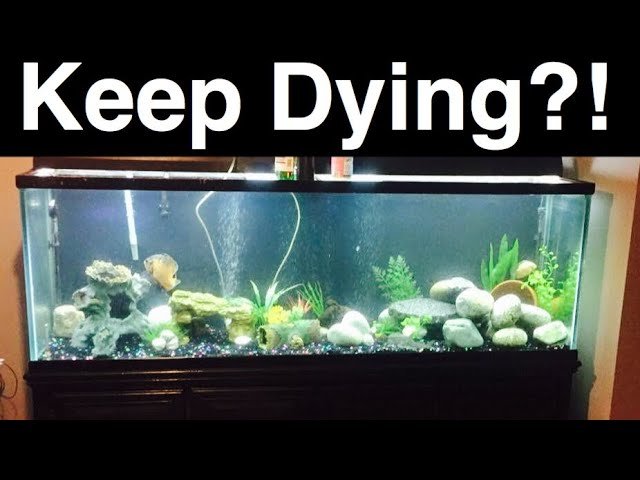
Poor water quality and improper tank setup are the main reasons aquarium fish die.
I’ve kept aquariums for years and helped many hobbyists solve sudden losses. I will explain why fish is dying in aquarium in clear, simple steps. You’ll learn causes, easy tests, and practical fixes you can try today. Read on to protect your fish and avoid common mistakes.
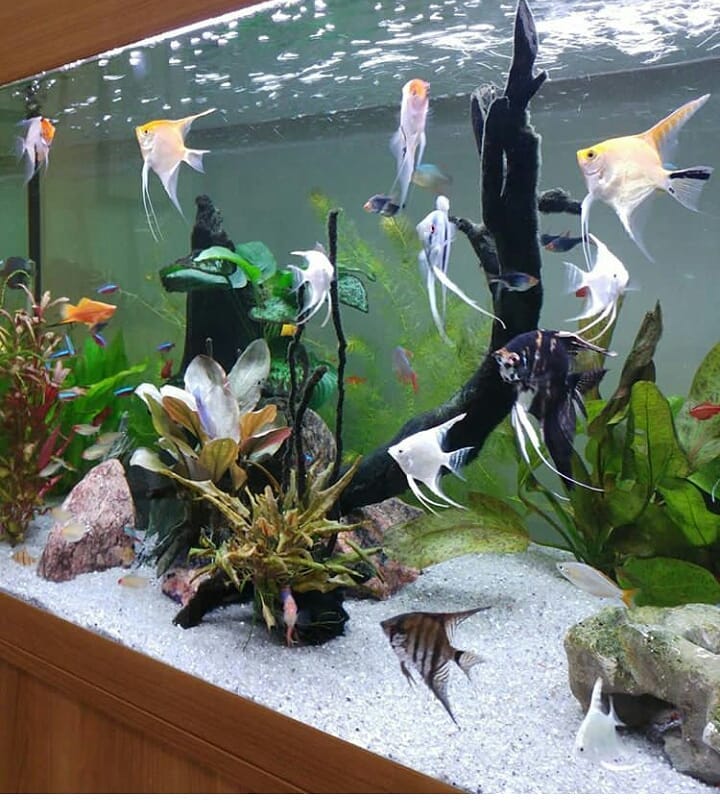
Common Causes of Fish Dying in Aquariums
Understanding why fish is dying in aquarium starts with the basics. Most deaths trace back to water problems, stress, or disease. Below are the main causes, with clear signs and simple fixes.
Poor water quality
Poor water is the top cause of fish deaths. High ammonia or nitrite will poison fish fast. Fix it by testing water and doing partial water changes.
Ammonia, nitrite, and nitrate spikes
Ammonia and nitrite are toxic even at low levels. Nitrate is less toxic but harmful when high. Use a test kit and reduce levels with water changes and proper filtration.
Low oxygen and poor circulation
Fish gasp at the surface when oxygen drops. Too many fish or weak filters cause low oxygen. Improve aeration with a filter, air stone, or surface agitation.
Rapid temperature changes
Temperature swings stress fish and lower immunity. Keep water stable with a reliable heater and a thermometer. Match species needs for best results.
Overfeeding and poor diet
Leftover food decays and fouls the tank. Feed small amounts once or twice daily and remove uneaten food. Use high-quality food suited to your species.
Overcrowding and small tanks
Too many fish raise waste and stress. Follow stocking guidelines and choose tank sizes that match your fish’s adult size.
Incompatible tankmates and aggression
Some fish nip, chase, or stress others. Research compatibility and provide hiding spots and territories to reduce conflict.
New tank syndrome
A new tank lacks helpful bacteria to process waste. This is a common reason why fish is dying in aquarium for new setups. Cycle the tank before adding fish or use gradual stocking and bacteria supplements.
Disease and parasites
Parasites, bacteria, and fungi spread fast in weak systems. Quarantine new fish and treat illness early. Observe fish daily for signs like spots, frayed fins, or listlessness.
Equipment failure
Heater, filter, or air pump failures can kill fish quickly. Check equipment daily and have backups if you keep valuable or sensitive species.

Water Testing and Parameters to Watch
Testing reveals hidden problems and answers why fish is dying in aquarium. Regular checks let you act fast. Test these levels at least once a week in new tanks and biweekly in stable tanks.
- Ammonia
- Should be 0 ppm. Any reading means urgent action.
- Nitrite
- Should be 0 ppm. Like ammonia, nitrite is dangerous.
- Nitrate
- Aim for under 20–40 ppm for most fish. Lower is safer.
- pH
- Keep within the species’ preferred range. Sudden shifts stress fish.
- Temperature
- Match the species and keep it steady with a heater and thermometer.
- General hardness (GH) and carbonate hardness (KH)
- Important for some species and to stabilize pH.
- Dissolved oxygen
- Look for signs like surface gasping. Add aeration if needed.
Use a reliable test kit and log results. Record trends instead of single readings to catch slow changes.

Disease, Parasites, and Diagnosis
Illness is a frequent reason why fish is dying in aquarium. Early diagnosis saves lives. Watch for behavior and visible signs.
- Common signs
- Lethargy, loss of appetite, spots, clamped fins, rapid breathing.
- Common issues
- Ich (white spots), fin rot (frayed fins), bacterial infections (red sores), fungal patches (cottony growth).
- Diagnosis steps
- Isolate sick fish in a quarantine tank. Test water. Check history of new fish or food.
- Treatment basics
- Improve water quality first. Use targeted medicines only when needed. Follow dosage carefully and remove activated carbon during treatment.
When in doubt, consult an experienced aquarist or aquatic vet. Misused medicines can harm fish and biology.

Best Practices to Prevent Fish Deaths
Preventing losses is easier than fixing them. These steady habits will reduce why fish is dying in aquarium problems.
- Cycle your tank before adding fish
- Build beneficial bacteria to handle waste. Add fish slowly.
- Quarantine new arrivals
- Keep new fish separate for two weeks to spot illness early.
- Feed correctly
- Offer measured portions and remove leftovers.
- Keep regular water changes
- Replace 10–30% weekly depending on stocking levels.
- Maintain equipment
- Clean filters, check heaters, and replace worn parts.
- Match species and tank size
- Avoid mixing aggressive and timid fish. Provide proper space.
- Monitor daily
- Quick checks catch problems before they become fatal.
These habits come from trial and error. I once lost a small group of tetras from overfeeding. Since then, I feed once and remove any leftover. That simple change cut my losses to zero.

Troubleshooting Checklist: What to Do When Fish Are Dying
If you notice multiple fish dying, act quickly. Follow this simple order to find the cause and save lives.
- Test water immediately
- Check ammonia, nitrite, nitrate, pH, and temperature.
- Do a partial water change
- Swap 25–50% with conditioned water to reduce toxins.
- Isolate sick fish
- Move them to a quarantine tank if possible.
- Check equipment
- Confirm filters, heater, and air pumps are working.
- Reduce feeding
- Stop feeding for 24 hours if water quality is poor.
- Observe behavior and body signs
- Look for spots, gasping, or frayed fins to guide treatment.
- Seek expert help
- Contact an aquatic vet or experienced hobbyist if unsure.
If you repeatedly ask why fish is dying in aquarium, use this checklist as your quick action plan.

Frequently Asked Questions of why fish is dying in aquarium
What is the most common reason aquarium fish die?
Poor water quality is the top cause. High ammonia or nitrite levels kill fish quickly if not fixed.
How often should I test my aquarium water?
Test weekly in new tanks and every 1–2 weeks in stable tanks. Test more often when fish act sick.
Can overfeeding really kill fish?
Yes. Overfeeding increases waste and causes toxic spikes. Feed small portions and remove leftovers.
Should I use medication right away when a fish shows signs?
No. First check water and quarantine the fish. Use medicine only with a clear diagnosis or expert advice.
How do I prevent recurring deaths in my tank?
Cycle the tank, quarantine new fish, keep steady maintenance, and monitor water. These steps cut most causes of death.
Conclusion
Fish often die for simple reasons like bad water, stress, or disease. Take quick tests, follow the troubleshooting checklist, and build steady habits to stop losses. If you commit to regular testing, careful feeding, and proper setup, you can turn your aquarium into a healthy home for your fish. Try one small change today—test your water or cut feeding by half—and watch improvements grow. Leave a comment with your tank size and symptoms, and I’ll help you troubleshoot.