
Fish often die in aquariums from poor water quality, stress, disease, or sudden changes.
I’ve kept planted tanks and community setups for years, and I’ve learned the hard way what causes mass losses. This article explains why fish died in aquarium systems, how to diagnose the cause, and clear steps to prevent repeats. You’ll get practical checks, easy tests, and real-life tips you can use today to keep fish healthy.
Common causes of why fish died in aquarium
Many things can explain why fish died in aquarium tanks. Often it is a mix of problems rather than a single cause. The top reasons are water chemistry, disease, poor tank setup, oxygen issues, and stress. Review each cause so you can spot problems early and act fast.
Water quality problems: ammonia, nitrite, nitrate, pH, and temperature
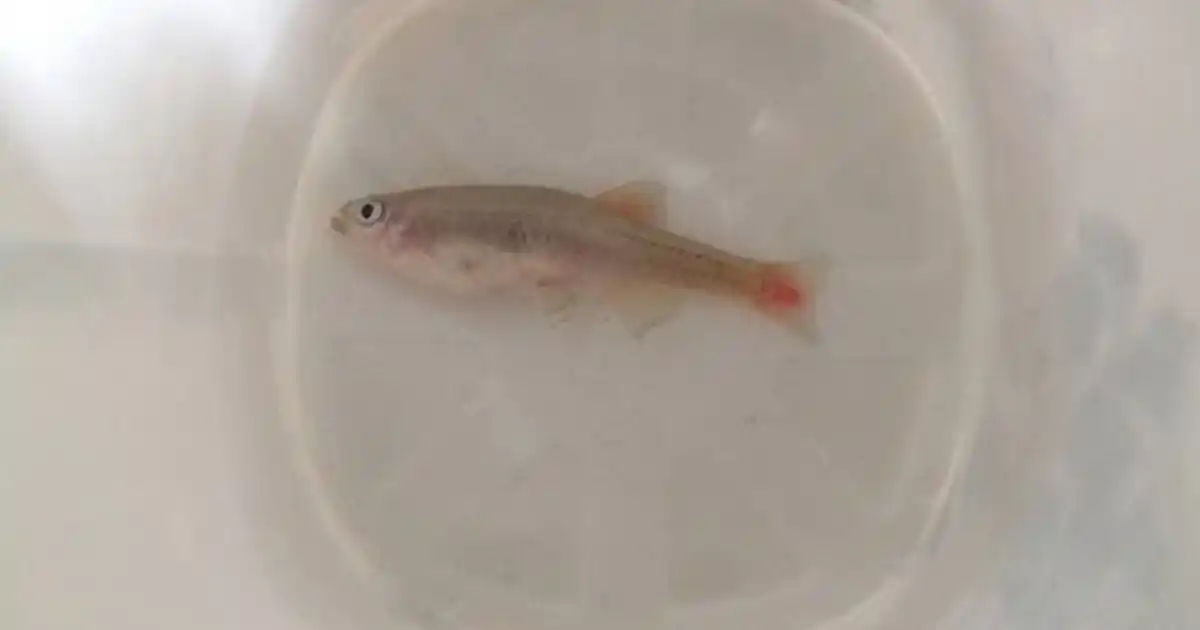
Bad water is the leading reason why fish died in aquarium setups. Ammonia and nitrite are toxic even at low levels. Nitrate at high levels stresses fish and weakens immunity. pH swings and wrong temperature can shock fish and make them vulnerable to disease.
- Ammonia spikes occur in new tanks or after overfeeding.
- Nitrite rises when the beneficial bacteria colony is incomplete or damaged.
- High nitrate builds slowly and causes chronic stress.
- Sudden pH or temperature changes cause immediate losses.
Test water often. Use freshwater or marine test kits and write readings down. If readings are off, do partial water changes and check filtration and stocking levels.

Disease and parasites
Disease is a common answer to why fish died in aquarium communities. Bacterial infections, fungal infections, and parasites can spread quickly. Many diseases show visible signs like white spots, frayed fins, or skin ulcers, but others act fast and hide until it’s too late.
- Quarantine new fish to reduce risk.
- Watch for behavior changes: loss of appetite, hiding, or gasping.
- Treat early with trusted medications or consult a pro.
Regular observation and fast action are the best defenses against disease in your tank.
Overfeeding, poor diet, and oxygen issues
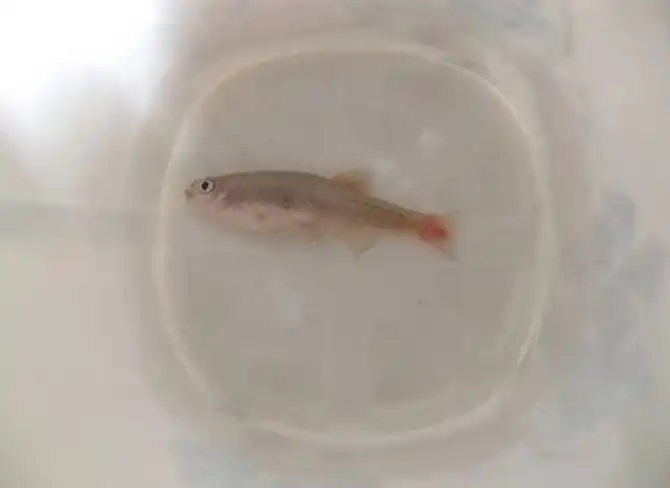
Overfeeding is a frequent human error that explains why fish died in aquarium tanks. Extra food rots and creates ammonia. It also clouds water and feeds unwanted bacteria.
- Feed small amounts once or twice daily.
- Remove uneaten food within a few minutes.
- Offer varied diets for nutrition.
Low oxygen can kill fish quickly, especially at night or in crowded tanks. Poor surface agitation, warm water, or heavy stocking lowers oxygen. Use aeration, maintain plants and filters, and avoid overcrowding.
Tank setup mistakes and sudden changes
Many beginners ask why fish died in aquarium tanks after they add new gear or fish. Typical errors include cycling mistakes, incompatible species, and sudden water changes.
- Not cycling the tank before adding fish causes ammonia spikes.
- Mixing aggressive and timid species causes stress and injury.
- Using untreated tap water can add chlorine or chloramine.
Always cycle the tank, research species compatibility, and match water parameters to the fish you keep.

How to diagnose why fish died in aquarium: a step-by-step approach
Diagnosing cause helps you fix the problem fast. Use this checklist when fish die.
- Observe symptoms
- Look at bodies for spots, wounds, or discoloration.
- Note behavior before death: gasping, flashing, or lethargy.
- Test water
- Check ammonia, nitrite, nitrate, pH, and temperature now.
- Record test results for future comparison.
- Review recent changes
- Ask if you added fish, medication, or new decor.
- Check if you fed differently or did a big water change.
- Inspect filtration and aeration
- Ensure filters run and are not clogged.
- Check air stones and surface movement.
- Quarantine and treat
- Remove sick fish to a hospital tank if possible.
- Use targeted treatment based on symptoms.
This routine helps find the likely reason why fish died in aquarium setups and prevents repeat losses.

Prevention and routine care to avoid why fish died in aquarium scenarios
Prevention beats cure. Good habits stop most deaths. Keep routines simple and steady.
- Cycle the tank before adding fish.
- Perform regular partial water changes.
- Test water weekly and keep a log.
- Feed small, balanced meals and remove leftovers.
- Quarantine new fish for two weeks.
- Keep the tank within recommended stocking limits.
- Match fish species by temperament and water needs.
- Maintain filters and clean gently without killing beneficial bacteria.
These steps reduce stress and disease, which are the main drivers of why fish died in aquarium tanks.

Personal experience and lessons learned
Years ago I lost half a new community tank in two days. I added many fish to a young filter. Ammonia spiked overnight. I felt awful but learned key lessons. Now I always cycle and add fish slowly. I also keep a simple diary of tests and changes.
From that day I learned:
- Patience matters more than speed when stocking tanks.
- A single large water change is not always the best fix.
- Observing fish daily helps me catch trouble early.
These small habits saved future tanks and gave me confidence to help others with their setups.
Frequently Asked Questions of why fish died in aquarium
Why did many fish die overnight in my aquarium?
Sudden deaths overnight often point to oxygen loss, a toxin spike, or a fast-spreading disease. Test water chemistry immediately and check filters and aeration.
Can overfeeding cause why fish died in aquarium situations?
Yes. Overfeeding leads to ammonia spikes and low oxygen as food decays, which can kill fish quickly. Feed sparingly and remove leftovers.
How quickly does ammonia affect fish?
Ammonia can harm fish in hours at high levels and cause death within a day if levels are very high. Low-level chronic exposure weakens fish over time.
Should I remove dead fish immediately?
Yes. Remove dead fish fast to prevent water quality decline and disease spread. Dispose of the body and test water for spikes.
Is tank cycling the main step to prevent why fish died in aquarium tanks?
Yes. Proper cycling builds beneficial bacteria that process ammonia and nitrite and is essential before adding fish. Always confirm with tests before stocking.
Can tap water kill fish?
Tap water with chlorine or chloramine can harm fish if not treated. Use a water conditioner and match temperature and pH to your tank before adding water.
Conclusion
Fish die in aquariums for many clear reasons: poor water quality, disease, stress from sudden changes, overfeeding, and bad tank setup. Learn to test water, observe your fish, and make slow changes. Start with cycle, quarantine, and steady care to avoid most problems. Try one new habit this week—test your water, reduce feeding, or quarantine a new fish—and watch your tank improve. Share your questions or tank stories below, and subscribe for more simple, helpful aquarium tips.