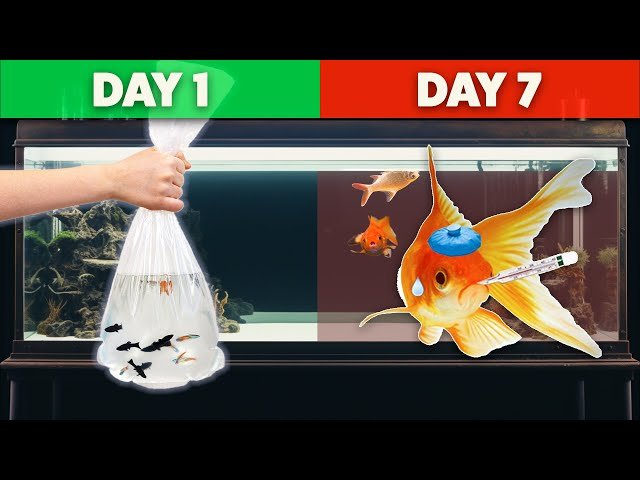
Fish die in new aquarium mainly from toxic ammonia and nitrite spikes, plus stress and poor acclimation.
I’ve worked with hobbyists and set up dozens of tanks. I know exactly why fish die in new aquarium setups and how to stop it. This guide breaks down the top causes, simple tests, step-by-step fixes, and real-world tips so you can keep your first weeks safe and stress-free. Read on and learn practical steps to prevent early losses and build a healthy tank from day one.

Main reasons fish die in new aquarium
New tanks look calm. But many hidden risks lurk. The top cause is water chemistry shock from the uncycled tank. Ammonia and nitrite rise quickly in a new aquarium because beneficial bacteria aren’t yet established. Other big problems are stress from sudden change, poor acclimation, and wrong temperature or salinity for your fish. Understanding each factor helps you prevent losses.
Common direct causes:
- Ammonia poisoning from fish waste and uneaten food.
- Nitrite toxicity while the nitrogen cycle establishes.
- Chlorine or chloramine in tap water.
- Rapid temperature changes and poor acclimation.
- Overstocking and too-large fish for the tank.
- Disease and parasites introduced with new fish or decorations.
Why fish die in new aquarium often comes down to one core thing: the biology of the tank hasn’t caught up to adding fish. Treat a new tank like a living system that needs time, testing, and gentle care.
The nitrogen cycle and “new tank syndrome”
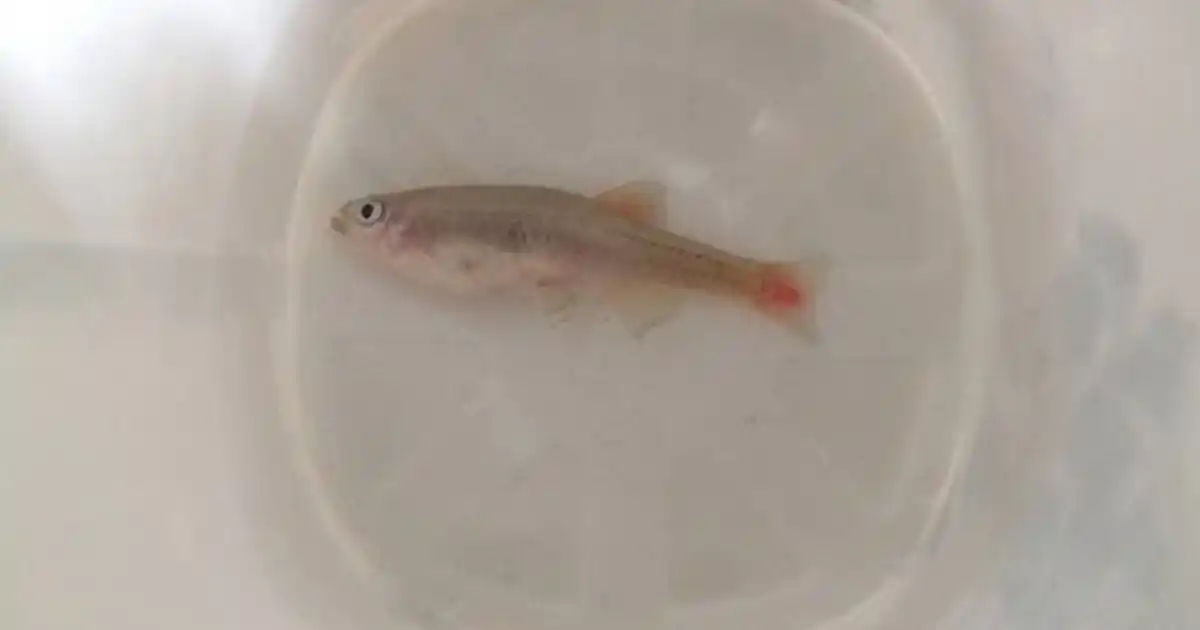
Why fish die in new aquarium is closely tied to the nitrogen cycle. The cycle converts toxic ammonia to nitrite and then to less harmful nitrate. In a brand-new setup, the bacteria that perform these conversions are missing or low. As a result, ammonia and nitrite spike. Fish get sick or die from these toxins before the bacteria can catch up.
How cycling works in simple steps:
- Ammonia comes from fish waste, uneaten food, and plants.
- Nitrifying bacteria convert ammonia to nitrite.
- A different group converts nitrite to nitrate.
- Nitrate is less toxic and removed by water changes or plants.
Prevent new tank syndrome:
- Cycle without fish using pure ammonia or hardy fishless methods.
- Add bottled bacterial starters with proven strains.
- Test water daily in the first weeks and respond to spikes.
Common water quality killers
Water chemistry is the most common reason why fish die in new aquarium. Bad water causes immediate or slow harm depending on the toxin.
Key killers to test for:
- Ammonia: Toxic at any detectable level, especially above 0.25 ppm.
- Nitrite: Blocks oxygen uptake in fish gills.
- Nitrate: Less toxic but harmful at high levels long-term.
- pH swings: Rapid changes stress fish and increase toxicity.
- Chlorine and chloramine: Damage gills and kill beneficial bacteria.
Simple steps to protect fish:
- Use a good test kit for ammonia, nitrite, nitrate, and pH.
- Treat tap water with a dechlorinator that removes chloramine.
- Perform partial water changes to dilute toxins.
- Avoid adding many fish at once.

Stress, acclimation, and stocking errors
Stress lowers immunity. Stressed fish are more vulnerable to toxins and disease. One major reason why fish die in new aquarium is poor acclimation. If fish go straight from a store bag to your tank, temperature and chemistry shock can kill them.
How to acclimate properly:
- Float the sealed bag in the tank for 15–20 minutes to equalize temperature.
- Drip tank water into the bag slowly over 20–60 minutes to adjust chemistry.
- Release fish gently once they are used to the water.
Stocking rules:
- Add a few hardy fish first. Let the tank stabilize before more additions.
- Follow the “inch-per-gallon” rule cautiously; fish size and waste vary.
- Avoid adding large or messy fish to a small new tank.

Disease and parasites in new tanks
Why fish die in new aquarium can also involve disease. New tanks don’t have strong microbial communities that can help suppress pathogens. Introducing fish or plants without quarantine raises risks.
Common threats:
- Ich (white spot disease) that appears under stress.
- Bacterial infections from poor water and tiny wounds.
- Parasites hitchhiking on live plants or new fish.
Prevention tips:
- Quarantine new fish for 2 weeks in a separate tank.
- Inspect and treat live plants if needed.
- Keep stress low and water quality high to help fish resist disease.
:strip_icc()/GettyImages-77807229-f708b37b282e47a7b6e19413ae906ef9.jpg)
Equipment and maintenance mistakes
Simple gear errors can cause why fish die in new aquarium scenarios. Filtration, heaters, and lighting must match the tank’s needs. Poor setup lets toxins build up, or temperatures swing wildly.
Common equipment mistakes:
- Undersized filter that can’t handle the bio load.
- No heater or a faulty thermostat causing cold shock.
- Leaving the tank without test equipment or spare parts.
Maintenance basics:
- Run the filter 24/7 and clean media gently.
- Keep a reliable heater with an external thermometer.
- Test water regularly and track trends.
How to prevent fish deaths: step-by-step checklist
Follow these steps to avoid the common pitfalls that explain why fish die in new aquarium setups.
Step-by-step plan:
- Prepare the tank and equipment, including filter, heater, and substrate.
- Cycle the tank before adding fish, or plan a very gradual fish-in cycle.
- Use a water conditioner to remove chlorine and chloramine.
- Add fish slowly: start with a few hardy species and wait 2–4 weeks.
- Test water daily for ammonia, nitrite, nitrate, and pH for the first month.
- Perform partial water changes when levels rise or weekly by volume.
- Quarantine new fish and plants before adding them to the main tank.
- Acclimate fish properly to temperature and water chemistry.
- Keep feeding light in the beginning to avoid excess waste.
- Monitor fish for signs of stress and act quickly.
This checklist covers the core reasons why fish die in new aquarium systems and how to stop them.
Personal experience and lessons learned
I once lost several tetras in a brand-new 20-gallon tank. I had skipped the fishless cycling step. Ammonia spiked overnight. It was heartbreaking but educational. Since then I always cycle tanks first and use daily testing during the first month.
Lessons I share with friends:
- Never assume a tank is safe just because it looks clear.
- Small, steady steps beat fast stocking.
- Keep test kits and water conditioner on hand before you buy fish.
These small habits saved dozens of fish in later setups. They also reduce stress for you and the fish.
Frequently Asked Questions of why fish die in new aquarium
Why do fish die in a new aquarium right away?
Fish die quickly when ammonia or nitrite spikes exceed safe levels. New tanks lack enough beneficial bacteria to process these toxins.
Can I add fish to a brand-new tank?
You can, but it’s risky. It’s better to cycle the tank first or add only a few hardy fish and monitor water closely.
How long does a new aquarium take to stabilize?
Most tanks take 4–6 weeks to establish a stable nitrogen cycle. Some methods speed this up, but testing is essential.
Will water changes fix ammonia spikes?
Yes, partial water changes dilute ammonia and nitrite. They are a fast short-term fix while you address the root cause.
How often should I test water in a new aquarium?
Test daily in the first 2–4 weeks and after any changes. Once stable, testing weekly is usually enough.
Is temperature shock a common cause of death?
Yes. Sudden temperature changes can stress fish and lead to rapid illness. Proper acclimation minimizes this risk.
Conclusion
Keeping fish alive in a new aquarium is mostly about patience, testing, and small steps. The main risks are ammonia and nitrite spikes, poor acclimation, and stress. Use a solid cycling plan, test often, add fish slowly, and quarantine new arrivals. These actions turn a risky new tank into a stable, healthy home.
Take action today: set up testing, plan a fishless cycle, and add fish slowly. Share your progress or questions below — I’d love to hear how your tank is doing.