
Most aquarium fish die from poor water quality, stress, infection, or sudden environmental changes.
I have kept tanks for years, treated sick fish, and studied common failures. This guide explains why fish dead in aquarium happens, how to spot causes, and what to do next. Read on for clear, practical steps you can use today to fix problems and protect your fish.
Common causes of fish deaths
Fish die for many simple reasons. If you search why fish dead in aquarium, the top causes are poor water, disease, and stress. Each of these is often preventable with routine care and the right setup.
- Poor water quality: Ammonia or nitrite spikes hurt gills and cause rapid death.
- Infections and parasites: Pathogens spread fast in small tanks and cause visible signs.
- Temperature shock: Sudden changes can stop a fish’s metabolism or immune response.
- Overcrowding: Too many fish raise waste and stress levels quickly.
- Incompatibility: Aggressive species or fin-nippers can injure or kill tankmates.
Water quality and testing
Water quality is the most common answer to why fish dead in aquarium. Testing gives fast clues. Test weekly for ammonia, nitrite, nitrate, and pH. Keep records so you spot trends.
- Ammonia: Should be 0 ppm. Any measurable ammonia is risky.
- Nitrite: Should be 0 ppm. Even small amounts stress fish.
- Nitrate: Keep under 20–40 ppm for most fish. High nitrate weakens immunity.
- pH and hardness: Keep stable. Wide swings harm fish more than a slightly wrong level.
If tests show a problem, do a 25–50% water change and check your filter. Avoid large, sudden changes. Small, steady fixes save lives.

Disease and parasites
Disease often answers why fish dead in aquarium when water looks clear. Bacteria, fungi, and parasites can kill fast in confined tanks. Learn common signs and isolate sick fish quickly.
- Visible signs: Clamped fins, white spots, redness, ulcers, or erratic swimming.
- Quarantine: Move sick fish to a separate tank when possible to limit spread.
- Treatment: Use targeted medicine based on symptoms. Follow dose and duration.
- Prevention: Quarantine new fish for 2–4 weeks before adding them to the main tank.
Early detection is key. A tiny lesion today can turn fatal in days if left untreated.

Tank setup and compatibility
Ask if your tank layout or community choices explain why fish dead in aquarium. Wrong tank size or mates cause long-term stress and injuries. Match species needs before buying.
- Tank size: Bigger is more stable. Many small tanks are harder to keep balanced.
- Filtration: Aim for biological, mechanical, and chemical filtration suited to stock.
- Hiding spaces: Plants and décor lower stress and reduce fights.
- Species mix: Avoid mixing aggressive fish with timid species. Research temperaments.
I once lost three fish to stress because I underestimated how territorial a male would be. Proper planning prevents repeat mistakes.
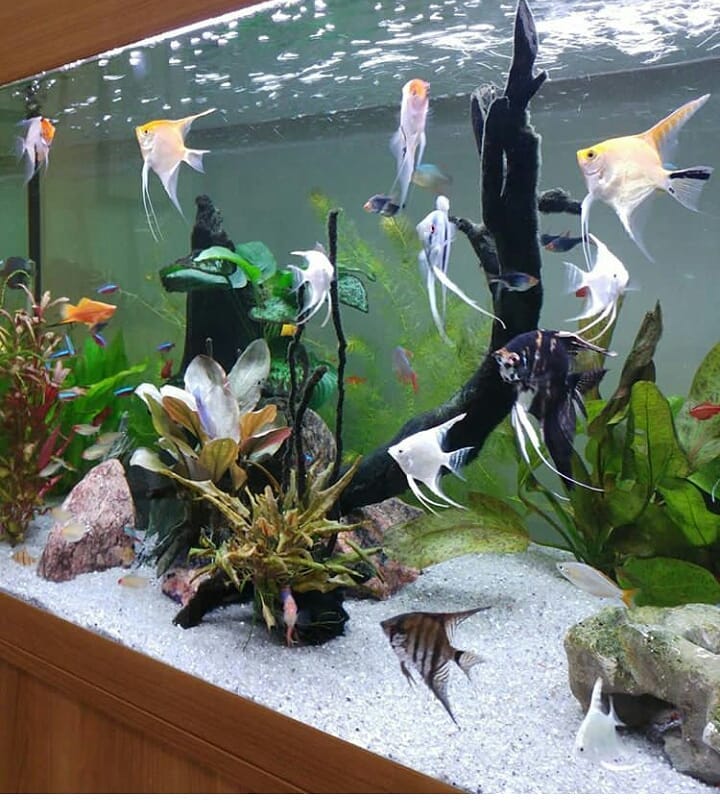
Nutrition and feeding mistakes
Poor diet and overfeeding are common reasons people ask why fish dead in aquarium. Overfeeding fouls water. Undernutrition weakens defenses. Feed quality food and tidy leftovers.
- Feed small amounts once or twice a day. Only what fish eat in two minutes.
- Vary diet by species: flakes, pellets, frozen, and live foods as needed.
- Remove uneaten food after a few minutes to prevent decay and ammonia spikes.
- Fast a day each week for herbivores and omnivores to clear stomachs.
Good feeding keeps fish healthy and reduces water problems.

Stress, shock, and sudden changes
Stress and shock are silent killers that explain many why fish dead in aquarium stories. Fish tolerate steady conditions better than rapid shifts. Keep changes slow.
- Temperature swings: Use a reliable heater and thermometer to avoid shock.
- Water chemistry shifts: Make water changes gradual to avoid pH swings.
- Handling: Nets and rough handling injure slime coats and invite infection.
- Light and noise: Loud disturbances and constant light stress fish.
Maintain a calm, steady environment. Fish thrive on routine.
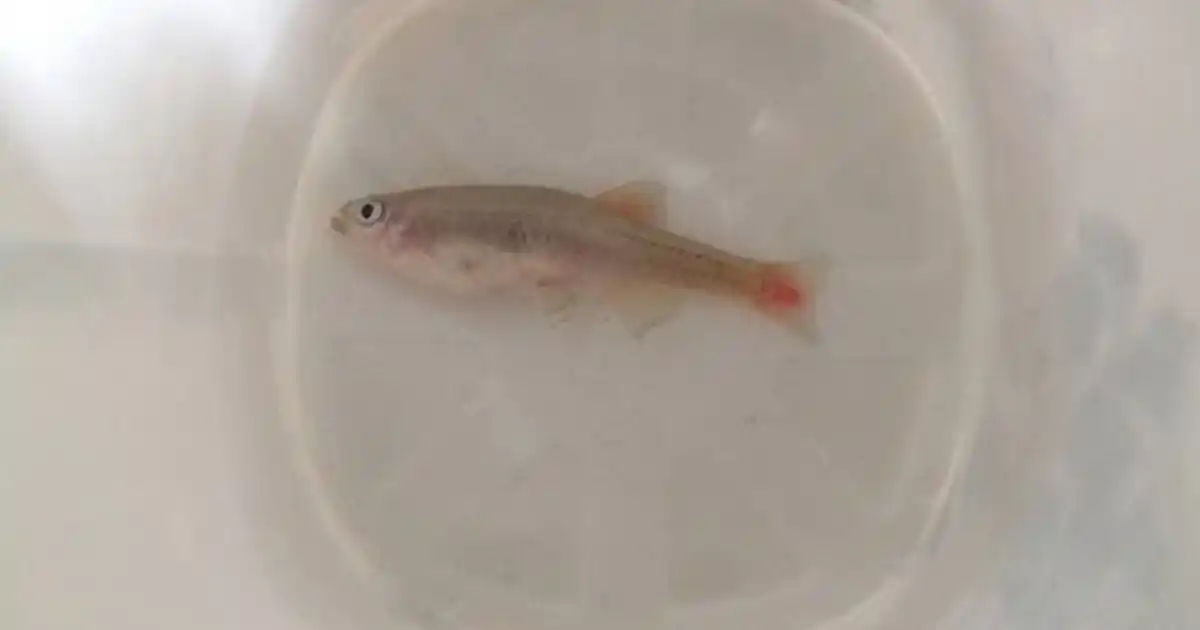
What to do when a fish dies
Knowing what to do after a death reduces further loss. A quick plan answers why fish dead in aquarium and prevents chains of death.
- Remove the fish: Take it out quickly to prevent water contamination.
- Test water: Check ammonia, nitrite, nitrate, and pH right away.
- Inspect other fish: Look for illness, odd behavior, or injuries.
- Partial water change: Do 25–50% if tests show abnormalities.
- Quarantine sick fish: Move suspicious fish to a hospital tank for treatment.
Record the event. Tracking deaths helps spot patterns and causes.
Preventive maintenance and routine
Regular care reduces why fish dead in aquarium from recurring. A simple routine keeps tanks stable and fish healthy.
- Weekly tasks: Test water, do a 10–25% water change, and clean the glass.
- Monthly tasks: Rinse filter media in tank water and check equipment.
- Before adding fish: Quarantine new arrivals and cycle the tank fully.
- Keep a log: Note water readings, medications, and unusual events.
Consistency is the most powerful tool in preventing fish deaths.
Personal experience and lessons learned
I lost baby tetras early in my hobby. The cause was a hidden ammonia spike after overfeeding. That mistake taught me three things that answer why fish dead in aquarium for many owners.
- Test often, especially in new tanks. Small spikes kill quickly.
- Quarantine all new fish. One sick fish can wipe out a whole school.
- Keep simple records. Patterns emerge after a few entries.
These small habits saved many fish later. They work on simple tanks and large systems alike.
Frequently Asked Questions of why fish dead in aquarium
Why do fish suddenly die in my aquarium overnight?
Sudden deaths usually mean a water quality spike or severe disease. Test ammonia, nitrite, and oxygen, and inspect tankmates for symptoms.
Can temperature cause fish to die quickly?
Yes. Sudden drops or rises in temperature can shock fish and damage organs. Keep a stable temperature and use a reliable heater and thermometer.
How soon should I test water after a fish dies?
Test immediately after removal. Repeat tests over 24–48 hours to catch spikes and trends that could harm other fish.
Is overfeeding really deadly to fish?
Yes. Excess food decays and creates ammonia and nitrite. This pollutes the water and can kill fish within hours to days.
Should I remove all fish if one dies?
Not necessarily. Remove the dead fish, test water, and watch others closely. Quarantine visibly sick fish to limit spread.
Conclusion
Fish die in aquariums for clear reasons you can control. Focus on steady water quality, proper feeding, good tank mates, and early disease detection. Start small: test water weekly, quarantine new fish, and keep a simple maintenance log. Take these steps and your tank will become more stable, healthier, and more enjoyable.
Please try one change this week and watch your tank closely. Leave a comment with your tank size and symptoms, and I will help troubleshoot.