Most aquarium fish die from poor water quality, improper cycling, and chronic stress.
Keeping a home aquarium healthy takes more than a pretty tank and a few hardy fish. As someone who has maintained community tanks, dealt with mysterious die-offs, and helped friends revive struggling aquariums, I’ve learned that the question of why fish aquarium are dying comes down to a few recurring, fixable problems. This article breaks down the real reasons fish die, how to spot early warning signs, and practical steps you can take today to stop losses and build a resilient tank that keeps fish healthy for years.
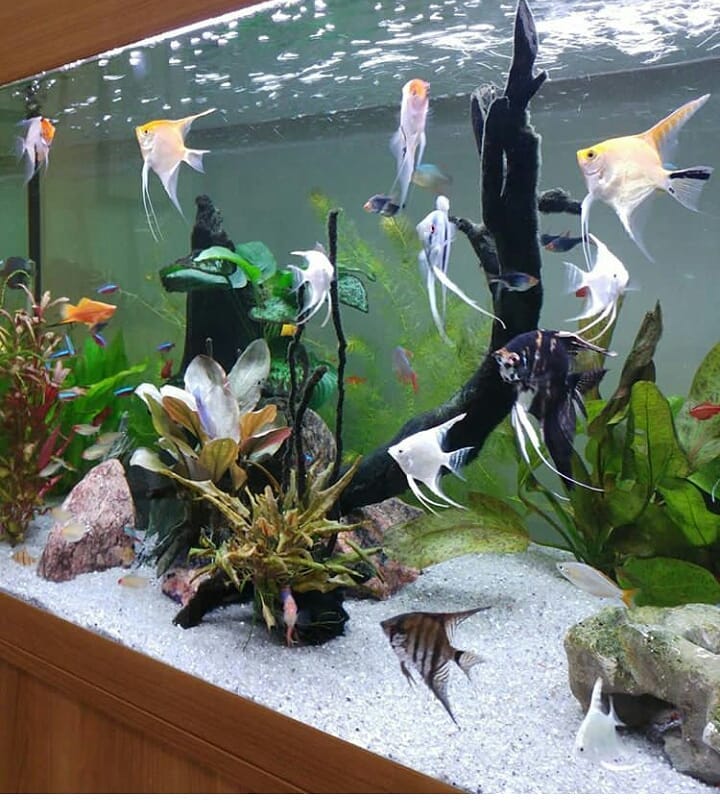
Common reasons why fish aquarium are dying
Most losses trace back to basic husbandry issues that build up over days or weeks. Watch for these major causes:
- Poor water quality
- Ammonia or nitrite spikes and high nitrate stress fish quickly.
- Incomplete tank cycling
- New tanks need beneficial bacteria; skipping cycling causes toxic build-up.
- Overcrowding and stress
- Too many fish raise waste and disease risk.
- Disease and parasites
- Stress and poor hygiene let pathogens spread fast.
- Wrong water parameters
- Temperature, pH, or hardness outside a species’ range causes slow decline.
- Poor feeding and malnutrition
- Overfeeding pollutes water; poor diets weaken immunity.
Each of these factors can act alone or together. When you ask why fish aquarium are dying, start by testing water and checking stocking levels. Small fixes early prevent mass losses.

Water quality and chemical imbalances
Water is a fish’s world. Subtle chemical swings can be lethal.
- Test water weekly
- Check ammonia, nitrite, nitrate, pH, and temperature.
- Ammonia and nitrite are toxic
- Even low ppm levels can cause gill damage and death.
- Nitrate is less toxic but harmful long-term
- Keep nitrate low with water changes and plants.
- pH swings stress fish
- Stability matters more than a perfect number for many species.
When I first started, I lost several tetras to an unnoticed ammonia spike after overfeeding. A basic test kit caught the next problem early and saved the tank. Regular testing is one of the simplest ways to stop why fish aquarium are dying.
Tank cycling and biological filtration
A well-cycled tank builds bacteria that convert waste into less harmful compounds.
- What is cycling?
- Beneficial bacteria turn ammonia to nitrite, then nitrite to nitrate.
- How long does cycling take?
- Usually 2–6 weeks, depending on conditions and whether you seed bacteria.
- Symptoms of an uncycled tank
- Sudden fish gasping, red or inflamed gills, and unexplained deaths.
Always cycle before adding many fish. If you must add fish early, use a quarantine or do frequent small water changes and monitor levels closely. Understanding cycling answers a large share of why fish aquarium are dying problems.

Disease, parasites, and quarantine practices
Pathogens spread quickly in weak or crowded tanks.
- Common illnesses
- Ich, fin rot, columnaris, and fungal infections are frequent.
- Stress lowers resistance
- Poor water and sudden changes make disease more likely.
- Quarantine new fish
- Isolate new arrivals for 2–4 weeks to watch for symptoms.
I once introduced a single sick fish that infected an entire community tank. Quarantining new fish and treating obvious symptoms separately prevented future outbreaks in my tanks.

Overcrowding, stress, and compatibility
Fish count matters more than tank size labels.
- Overstocking consequences
- More waste, higher ammonia, and oxygen competition.
- Territorial or incompatible species
- Aggression causes stress and injury, which leads to disease.
- Signs of stress
- Hiding, loss of color, rapid breathing, and erratic swimming.
Follow stocking guidelines and consider adult sizes. A peaceful, properly stocked aquarium greatly reduces why fish aquarium are dying.
Feeding, nutrition, and common mistakes
Diet affects immunity and water quality.
- Overfeeding
- Uneaten food decomposes and pollutes water.
- Poor diet
- Feeding only flakes or only pellets can cause nutrient gaps.
- Feeding frequency
- Feed small amounts once or twice daily; adjust to fish size and species.
I switched a community tank to varied diets—vegetables, frozen foods, and occasional live feed—and saw fewer illnesses and brighter colors.

Maintenance routines that prevent die-offs
Simple habits lower long-term risk significantly.
- Weekly or biweekly water changes
- Replace 10–30% depending on stocking and plants.
- Clean filters without killing bacteria
- Rinse media in tank water during changes, avoid hot tap water.
- Monitor and log water tests
- Track trends to catch slow declines before they become fatal.
A short maintenance log saved me one winter when heater drift raised temperatures slightly. Catching the trend prevented a mass die-off.

Setting up a healthy aquarium from scratch (step-by-step)
Follow these steps to avoid early failures.
- Plan
- Choose fish with similar needs and calculate stocking based on adult sizes.
- Prepare tank and equipment
- Install proper filter, heater, and lighting for plants or fish.
- Cycle the tank
- Use ammonia source or seeded media and test regularly.
- Add fish slowly
- Add a few hardy individuals at first and wait between additions.
- Maintain and observe
- Test water, perform water changes, and watch fish daily for signs.
Following these steps reduces a majority of reasons why fish aquarium are dying.
Troubleshooting and quick fixes
When you see sick fish, act quickly.
- If ammonia or nitrite is high
- Do immediate partial water changes, add aeration, and reduce feeding.
- If fish gasp at surface
- Increase oxygen by improving flow, adding an air stone, and checking temperature.
- If disease appears
- Quarantine sick fish, identify symptoms, and treat with targeted medication if needed.
- If overstocked
- Rehome fish, reduce feeding, and increase water changes.
Keep calm and act methodically. Quick, measured steps often save fish that might otherwise die.
Monitoring, data, and learning from mistakes
Good data prevents repeat failures.
- Keep a simple log
- Record test results, changes, and deaths or new symptoms.
- Learn from each episode
- Note what worked and what didn’t when treating illness.
- Stay humble and curious
- Even experienced hobbyists still face surprises and learn new methods.
When I tracked tank problems, patterns emerged that stopped repeated die-offs. Data matters.
Frequently Asked Questions of why fish aquarium are dying
Why do aquarium fish die suddenly?
Sudden deaths are often caused by ammonia or nitrite spikes, temperature shock, or acute disease. Test water immediately and look for signs like gasping or erratic swimming.
Can overfeeding kill aquarium fish?
Yes. Overfeeding leads to water pollution and oxygen drops, which stress and can kill fish. Feed small portions and remove uneaten food to prevent problems.
How often should I test my aquarium water?
Test weekly for stable tanks and more often after changes, new fish, or illness. Key tests include ammonia, nitrite, nitrate, pH, and temperature.
Is it safe to add new fish to an established tank?
Yes, if you quarantine new fish and add them gradually. New fish can bring diseases and increase bioload, which is why caution is needed.
What is the best way to prevent disease in my tank?
Maintain stable water parameters, reduce stressors, quarantine new fish, and provide a balanced diet. Clean equipment and timely water changes also lower disease risk.
Conclusion
Understanding why fish aquarium are dying starts with water quality, steady maintenance, and mindful stocking. Small, consistent actions—cycling tanks properly, testing water, quarantining new fish, and feeding well—prevent most losses and build a thriving aquarium. Act today: test your water, review stocking levels, and create a simple weekly routine to protect your fish. Share your experiences, ask questions, or subscribe to learn more—your next tank can be healthier and more resilient with a few steady habits.