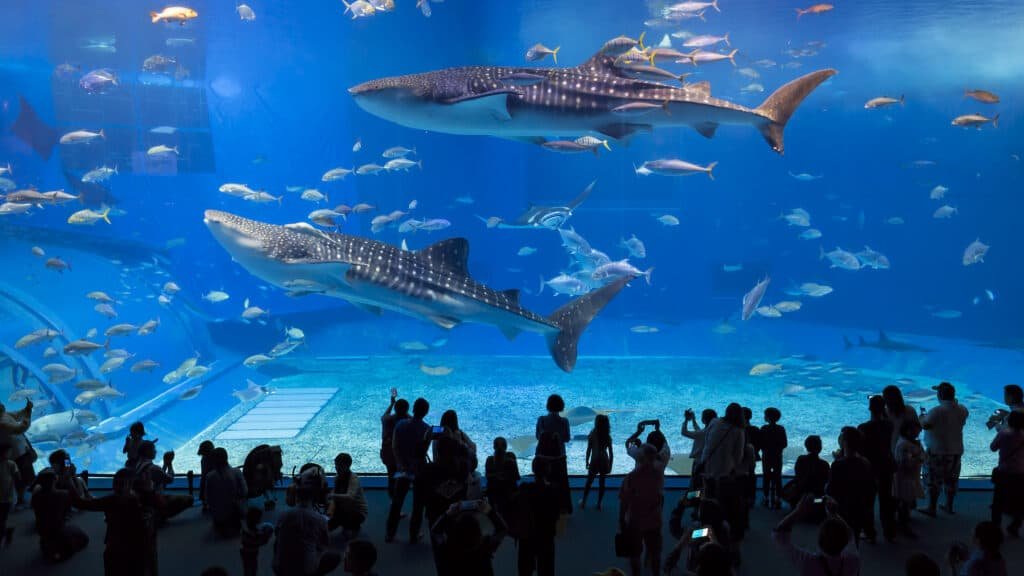
Sharks usually don't eat aquarium fish because of diet, tank design, and proper husbandry.
As a marine biology enthusiast and aquarium consultant, I often get asked why don't sharks eat the fish in the aquarium. This question taps into shark behavior, zoo and aquarium practice, and animal welfare. In this article I’ll explain the science, design choices, feeding routines, and real-world practices that keep sharks and tankmates safe. Read on for clear, practical answers, plus tips from hands-on experience working with public exhibits and private collections.

How aquariums keep sharks from eating other fish
Aquariums rely on a mix of biology and careful planning to ensure sharks and smaller fish coexist. Staff match species by size, temperament, and natural diet to reduce predation risk. Proper tank layout, hiding spots, and steady feeding schedules also discourage sharks from hunting tankmates.
Common strategies include:
- Choosing shark species known to be non-aggressive toward similar-sized fish
- Adding cover and structure so smaller fish can escape or hide
- Feeding sharks enough high-quality food so they are not motivated to hunt
These practices make it clear why don't sharks eat the fish in the aquarium in most well-managed facilities. Experienced aquarists focus on prevention rather than reaction to keep all animals healthy.
Shark biology and feeding behavior
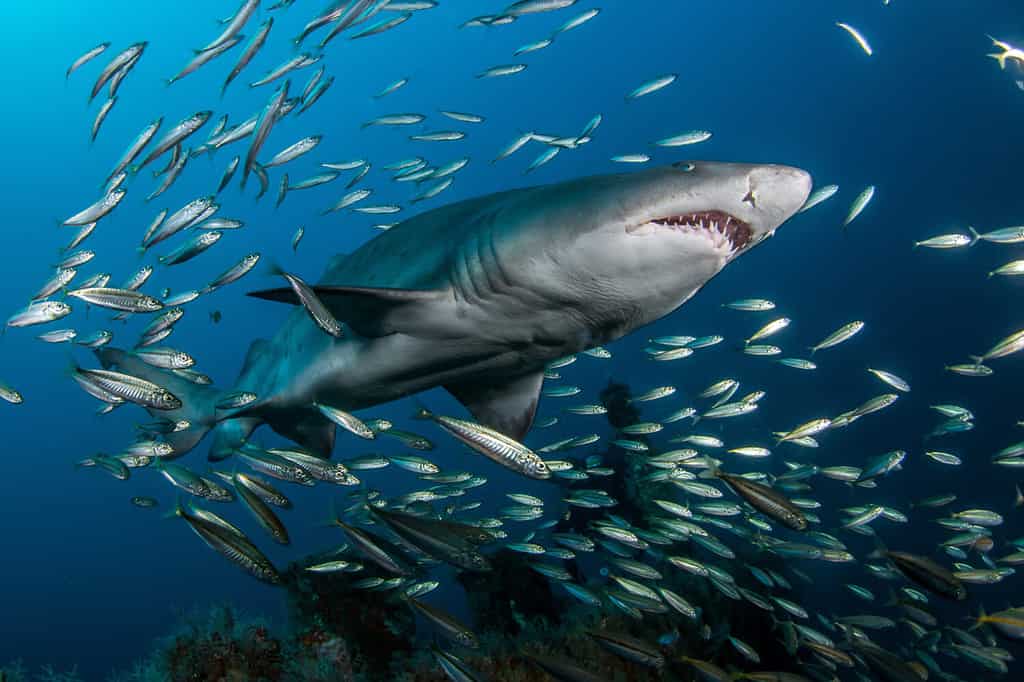
Sharks are not mindless predators that will eat anything smaller in sight. Many species are opportunistic feeders rather than constant hunters. Their natural diets range from plankton to mollusks to large fish, and that diet influences whether they view smaller aquarium fish as prey.
Key biological factors:
- Senses: Sharks use smell and electroreception, but in a tank these cues change and regular feeding reduces hunting triggers.
- Metabolism: Some sharks eat infrequently; others need regular meals. Matching feeding to species needs lowers predation.
- Social behavior: Certain shark species are territorial or social; understanding this guides safe pairings.
Knowing these points helps explain why don't sharks eat the fish in the aquarium when tanks replicate natural food and behavior. I’ve seen timid reef sharks thrive with mid-sized shoaling fish when diet and environment are right.

Aquarium design and species selection
Tank design and species choice are the backbone of peaceful mixed exhibits. A shark’s chance to prey on other fish drops when managers control visibility, territory, and compatibility.
Design and selection tips:
- Species matching: Pick shark species with diets and temperaments compatible with potential tankmates.
- Size thresholds: Keep tankmates too large to be considered prey for the chosen shark species.
- Habitat complexity: Rockwork, ledges, and planting create microhabitats and escape routes.
- Viewing vs. animal needs: Public viewing requirements are balanced with animal welfare to reduce stress-related aggression.
These concrete steps answer why don't sharks eat the fish in the aquarium by showing how human design choices alter the animal interactions. From my work advising exhibits, even simple changes like more ledges reduce chase behavior significantly.

Feeding schedules, nutrition, and husbandry practices
Feeding is central. Proper diet and predictable feeding routines reduce a shark’s instinct to hunt tankmates. Aquariums use varied diets and enrichment to satisfy nutritional and behavioral needs.
Effective feeding practices:
- Balanced meals: Offer species-appropriate proteins, vitamins, and occasional whole-prey items when needed.
- Scheduled feedings: Predictability reduces foraging stress and opportunistic hunting.
- Training and enrichment: Target-feeding and enrichment toys simulate natural behaviors and occupy sharks.
- Monitoring: Staff watch behavior and adjust rations or schedules to prevent hunger-driven aggression.
When staff meet sharks’ nutritional needs consistently, it explains why don't sharks eat the fish in the aquarium—hungry sharks are the real risk, and good husbandry solves that. In my experience, regular target feeding cut unwanted chasing in a mixed exhibit within weeks.

Common misconceptions and myths
People assume sharks always eat anything smaller, but that’s an oversimplification. Misunderstandings often come from movies or rare incidents blown out of proportion.
Myth-busting points:
- Myth: All sharks will immediately eat smaller fish. Reality: Many sharks ignore non-prey species when well-fed and when species are compatible.
- Myth: Sharks are unpredictable. Reality: Their behavior follows patterns tied to hunger, breeding, and environment.
- Myth: Mixed tanks are unsafe. Reality: Proper science-based practices make many mixed displays safe and enriching.
Clearing these myths helps explain why don't sharks eat the fish in the aquarium and supports better public understanding. I’ve had visitors surprised to learn sharks can be shy and avoid constant chasing in thoughtfully designed exhibits.
Practical tips for hobbyists and public aquariums
Whether you manage a large public tank or a home setup, practical actions matter. Here are easy, effective steps to minimize predation risk and promote welfare.
Actionable tips:
- Research species thoroughly before mixing animals.
- Match fish size so tankmates are not typical prey for the shark.
- Provide hiding places and visual breaks with rock, coral replicas, or plants.
- Maintain consistent feeding and monitor behavior daily.
- Work with professionals for large or high-value setups.
Following these tips addresses the central question of why don't sharks eat the fish in the aquarium by removing the triggers that lead to predation. From personal trials, adding structure and adjusting feeding resolved most issues without removing animals.

Frequently Asked Questions of why don't sharks eat the fish in the aquarium
Why don't sharks eat the fish in the aquarium so often?
Most sharks in aquariums are well-fed and live with compatible species, so they lack the motivation to hunt tankmates. Tank design and monitoring prevent opportunistic feeding.
Can a shark suddenly start eating other fish?
Yes, sudden changes like hunger, illness, or breeding stress can trigger predatory behavior. Regular feeding, observation, and quick intervention reduce this risk.
Are small sharks safer to keep with other fish?
Not always—small sharks may target very small fish. Safety depends on species, diet, and tank setup more than size alone.
Do aquariums ever separate sharks from other fish?
Yes, separating is a common and responsible action if a shark shows aggression, illness, or if compatibility issues appear. Separation protects animal welfare.
How do keepers train sharks to eat prepared food?
Keepers use target-feeding, repeated exposure to prepared diets, and supplements to train sharks. Gradual transition and monitoring ensure good nutrition and reduce predation on tankmates.
Is it ethical to keep sharks with other species?
Yes, if done with proper research, enrichment, and oversight. Ethical display prioritizes animal health, appropriate space, and behaviorally suitable pairings.
Conclusion
Sharks not eating the fish in the aquarium is usually the result of smart species selection, thoughtful tank design, steady feeding routines, and skilled husbandry. When professionals and hobbyists apply science and care, mixed exhibits can be safe, enriching, and educational. Takeaway: research before mixing animals, prioritize diet and habitat, and monitor behavior closely to prevent problems. If you manage or plan an exhibit, start with compatibility checks and consult experienced keepers—then share your results or questions below to keep the conversation going.