
The Houston Aquarium displays a tiger to educate visitors and enhance conservation awareness programs.
I’ve studied and visited public animal exhibits, and I know how mix of education, entertainment, and fundraising often shapes exhibit choices. This article explains why does the houston aquarium have a tiger, looks at animal care and legal issues, and gives clear, practical insight so you can decide how you feel about big cats in nontraditional venues.

Why does the Houston Aquarium have a tiger?
Many aquariums and family attractions add large land animals to broaden visitor appeal. The tiger adds a dramatic visual anchor. It brings people through the door, creates teachable moments about wild cats, and can help fund broader conservation work. When you wonder why does the houston aquarium have a tiger, think of three main drivers:
- Attraction and attendance — big animals draw visitors and boost revenue.
- Education and conservation messaging — a charismatic animal helps teach about habitat loss and species threats.
- Historical or branding choices — some venues grew from mixed zoos or entertainment complexes and kept terrestrial animals.
From my visits to mixed aquarium-park venues, I noticed clear signage and keeper talks that aim to blend spectacle with fact. That balance explains why many facilities keep a tiger even though tigers are not aquatic animals. Evidence from industry best practices shows that, when done responsibly, exhibits can raise awareness and funds for in situ conservation projects. Still, the presence of a tiger often prompts debate about mission fit and animal welfare.

How tigers are cared for at aquariums and similar attractions
Caring for a tiger requires a strong plan. That plan covers space, diet, vet care, and mental enrichment.
- Enclosure size and layout — modern enclosures try to give tigers room to move, climb, and hide.
- Diet and health — tigers require meat-based diets and regular veterinary checks.
- Behavioral enrichment — toys, scent trails, and problem-solving activities reduce stress.
- Staff training and safety — experienced keepers and emergency protocols are essential.
In my experience, the best facilities follow recognized animal care standards and document enrichment routines. If you ask staff about their vet schedule and enrichment plans, you’ll usually get clear answers. These practices are why some aquariums feel confident hosting a tiger while promising high welfare standards.

Controversies and public concerns about housing a tiger at the Houston Aquarium
People rightly ask tough questions. Housing a tiger at an aquarium raises these key concerns:
- Welfare fit — tigers are wide-ranging predators; small or barren enclosures harm them.
- Purpose and mission — critics argue aquariums should focus on aquatic life.
- Accreditation and transparency — lack of third-party accreditation raises red flags.
- Conservation impact — visitors want proof that exhibits truly benefit wild populations.
When you search "why does the houston aquarium have a tiger," you’ll find mixed views. Some experts praise outreach and funding benefits. Others call for rehoming to sanctuaries or stronger oversight. My advice is to look for transparent welfare reports and to ask whether the facility partners with credible conservation programs.
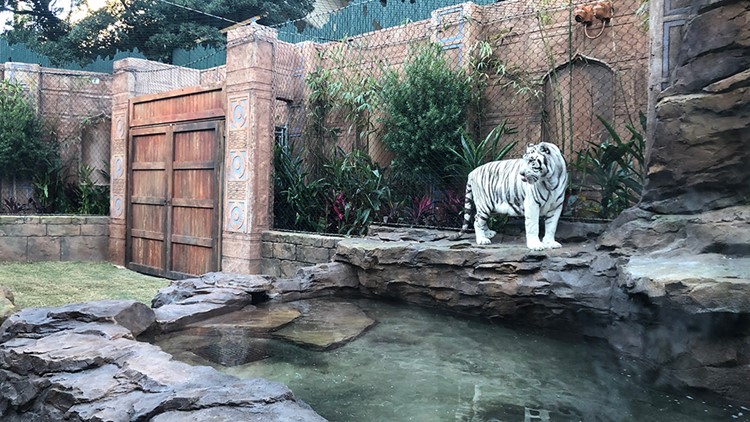 educational value”
style=”max-width: 100%; height: auto; border: 2px solid black; border-radius: 10px; display: block; margin: 0 auto;”
loading=”lazy”
/>
Visitor experience and educational value
Seeing a tiger in person can be memorable. That moment becomes educational when staff connect the animal to larger issues.
- Interpretive signs — good signs explain threats, range, and conservation.
- Keeper talks — short talks make facts stick.
- Multi-sensory learning — seeing the animal, hearing sounds, and reading panels reinforce lessons.
- Fundraising hooks — ticket sales and donations can support wild conservation.
From a visitor’s point of view, the tiger can deepen empathy for wildlife. When staff provide context and evidence of real conservation work, the exhibit feels less like spectacle and more like public service. That is one reason operators maintain tigers and why many visitors accept them as part of a broader conservation story.
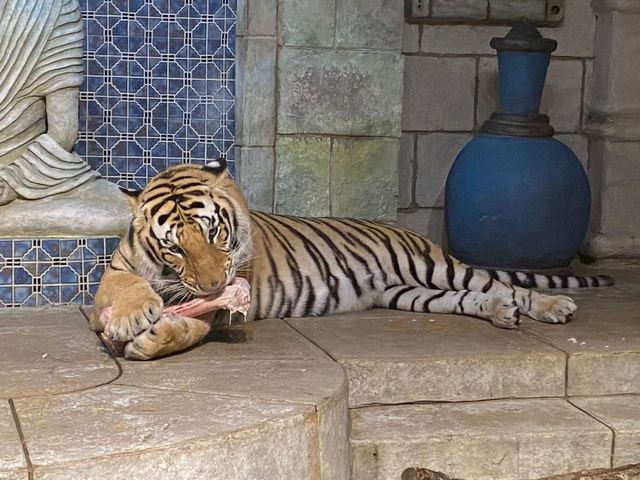
Alternatives and future directions for iconic animal exhibits
There are smart alternatives to housing big cats on-site. These options aim to balance education with animal welfare.
- Virtual and augmented reality — immersive tech can recreate a tiger’s world without keeping one.
- Off-site partnerships — close work with sanctuaries or accredited zoos can offer better homes.
- Traveling ambassador programs — short-term, well-regulated exchanges can support education without permanent display.
- Focused conservation funding — use funds to protect wild habitats instead of maintaining a resident tiger.
If you wonder why does the houston aquarium have a tiger in the future, expect more venues to shift toward partnerships and tech if public pressure and welfare science push that way. In my work, I’ve seen audiences respond strongly to virtual encounters when they are done well.

Frequently Asked Questions of why does the houston aquarium have a tiger
Is it legal for the Houston Aquarium to have a tiger?
Yes, many U.S. facilities can legally keep tigers if they meet state and federal rules and obtain required permits. Legal status depends on local laws and the facility’s compliance with care standards.
Do aquariums keep tigers for conservation?
Sometimes. Facilities often claim conservation goals and may fund habitat projects or breeding programs, but the level of impact varies widely. Ask for evidence of specific conservation outcomes to verify claims.
Are tigers at aquariums well cared for?
Care quality varies by facility. The best places follow accredited standards, provide enrichment, and have experienced vets and keepers.
Can I visit the tiger exhibit safely?
Yes, public areas are designed for safety with barriers and trained staff. Follow posted rules and staff instructions to ensure a safe visit.
What can I do if I’m concerned about a tiger’s welfare?
Contact the facility with specific questions, review their accreditation, and reach out to reputable animal welfare organizations for guidance. Public input can encourage transparency and improvements.
Will the tiger ever be moved to a sanctuary?
Possibly. Relocation depends on health, temperament, existing partnerships, and sanctuary capacity. Facilities sometimes rehome animals when a better long-term option exists.
Conclusion
Understanding why does the houston aquarium have a tiger means looking beyond the headline. The reasons mix visitor engagement, education, fundraising, and historical choices. The true test is how well the facility cares for the animal and whether it uses the tiger to support real conservation work. If you care, ask questions, look for transparency, and support venues that prioritize welfare and measurable conservation outcomes. Share your thoughts, visit responsibly, and consider subscribing or commenting to keep the conversation going.