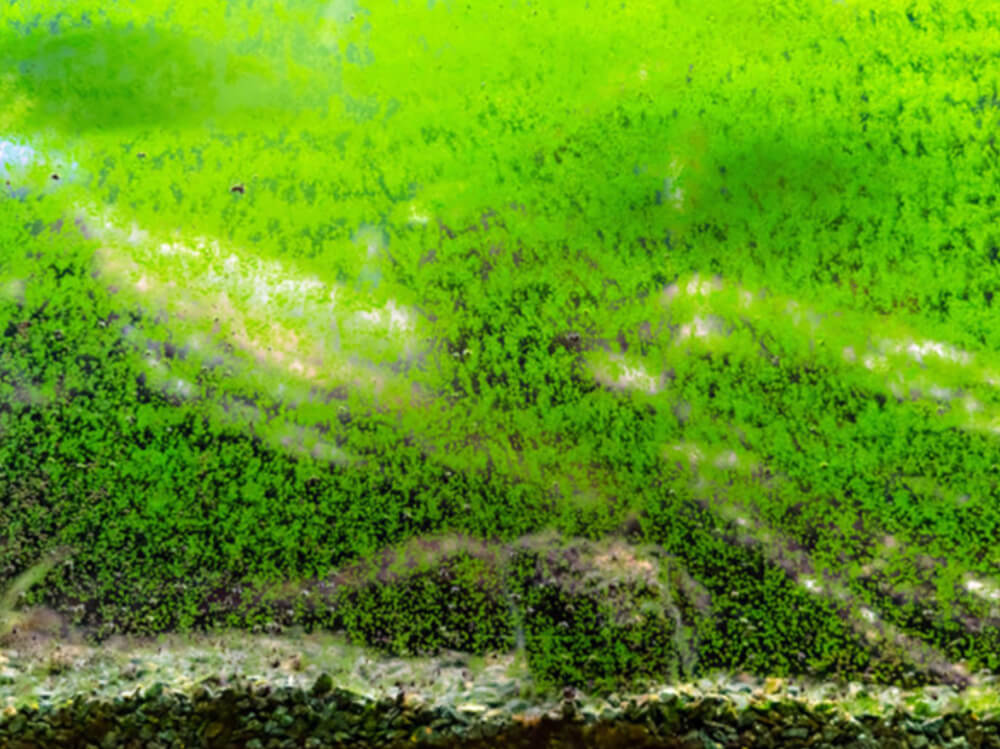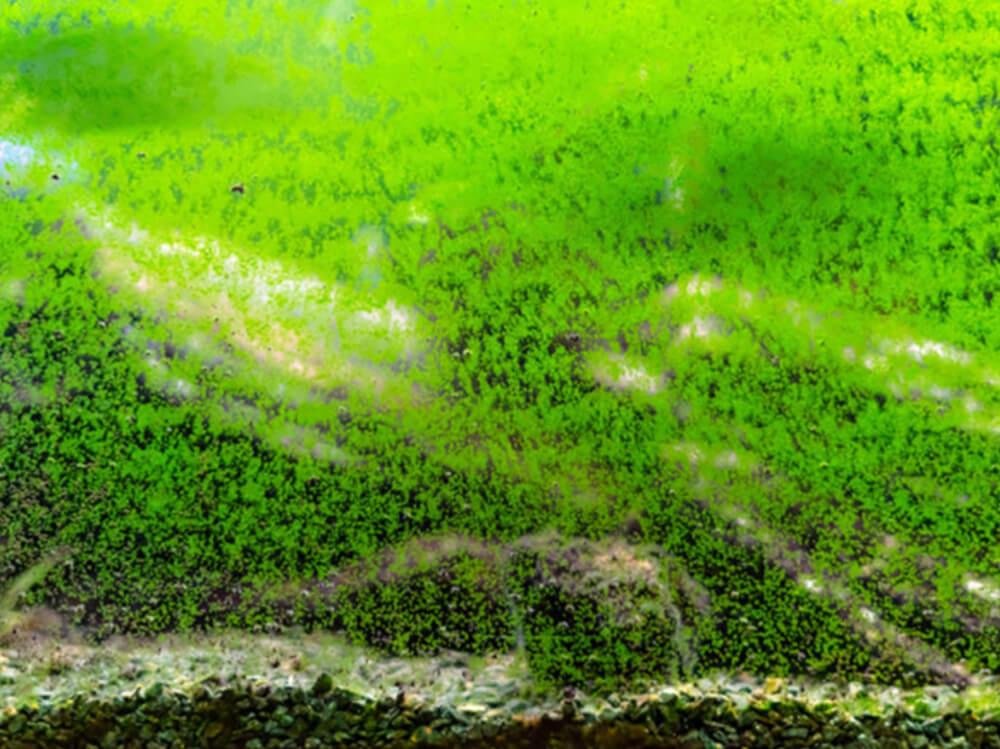
Most aquariums develop green algae due to excessive light and nutrient imbalance.
If you're noticing a green tint creeping across your aquarium, you're not alone. The sight of green algae can be frustrating, but understanding why it's happening is the first step towards controlling it. Green algae thrive in environments where there's plenty of light and an abundance of nutrients. These conditions, while necessary for plant growth, can quickly lead to an algae outbreak if not managed properly. Whether you're a new aquarium owner or a seasoned enthusiast, gaining insight into the causes and solutions for green algae can enhance the beauty and health of your tank. Let's dive into the details and help you reclaim your pristine aquatic landscape.
Understanding Green Algae in Aquariums
Green algae in aquariums can be a common problem, but it’s one that can be managed with the right information and strategies.
What Causes Green Algae?
- Excessive Light: Algae thrive in environments with excessive light. Ensure your aquarium lights are on for no more than 8-10 hours a day.
- Nutrient Imbalance: A surplus of nutrients like nitrates and phosphates from fish waste, uneaten food, and plant decay can fuel algae growth.
- Poor Water Circulation: Stagnant water can create pockets where algae can thrive. Proper filtration and movement are essential.
Types of Green Algae
There are several types of green algae you may encounter:
- Green Spot Algae: Appears as small spots and is usually tough to remove manually.
- Hair Algae: Looks like strands or tufts. It’s softer and may be easier to deal with.
- Green Water: A free-floating type that turns the entire water green.
Understanding the type of algae can help tailor an effective treatment plan.
How to Control Green Algae
Managing algae involves both prevention and treatment strategies:
- Adjusting Lighting: Reduce light exposure or use a timer to maintain optimal lighting.
- Regular Water Changes: Perform regular water changes to reduce nutrient buildup.
- Introduce Algae Eaters: Some fish and invertebrates, like snails and certain fish species, naturally consume algae.
- Check Water Parameters: Regularly test and adjust water chemistry to prevent favorable conditions for algae growth.
Personal experience has taught me that being proactive rather than reactive is crucial. Monitoring and regular maintenance is key.
Mistakes to Avoid
- Overfeeding: This leads to excess nutrients, feeding algae growth.
- Ignoring Water Changes: Skipping maintenance allows nutrient levels to skyrocket.
- Wrong Algae Eaters: Ensure the fish or invertebrates you introduce are compatible with your tank environment and desired algae control.
Frequently Asked Questions of Why Does My Aquarium Have Green Algae
How Often Should I Change the Water to Prevent Algae?
Changing 10-15% of the water weekly can help manage nutrients and keep algae at bay.
Can Algae Eaters Really Control Green Algae?
Yes, but they should be part of a broader strategy, not the sole solution.
Is Sunlight Harmful for My Aquarium?
Direct sunlight can exacerbate algae growth. It’s preferable to use controlled aquarium lighting.
What Role Do Plants Play in Algae Control?
Live plants compete with algae for nutrients, helping to keep it under control.
How Can I Safely Clean Algae Without Harming My Fish?
Use a soft sponge or scraper for the tank walls and avoid harsh chemicals that could harm your fish.
Conclusion
Green algae are a common challenge in aquariums, but understanding their growth factors and implementing effective management strategies can significantly reduce their impact. With consistent maintenance, smart lighting, and balance in nutrients, your aquarium can thrive without being overrun by algae. Embrace these practices to ensure a clean, healthy aquatic environment.
Don't let algae overshadow the beauty of your aquarium. Dive deeper into resources, follow expert advice, and regain control over your aquatic paradise! Consider subscribing for more tips, and feel free to share your own experiences in the comments below.