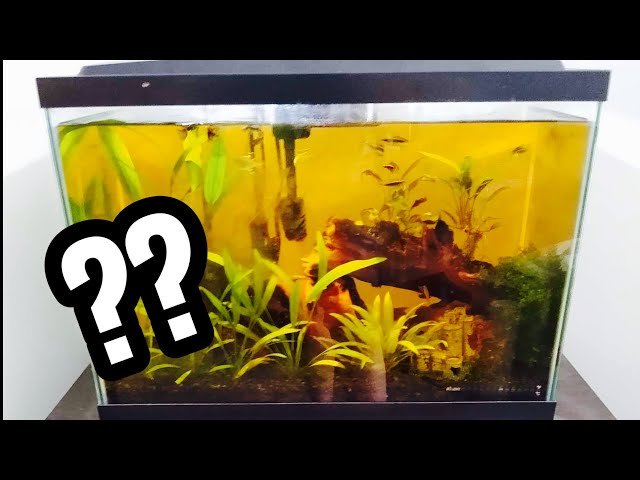
The yellow tint in aquarium water often results from organic materials breaking down, like uneaten food and waste. Aquariums are vibrant ecosystems, but they can sometimes surprise us with unexpected changes. One such change is yellow water, which can be puzzling and concerning. Understanding why this happens is crucial for maintaining a healthy environment for your aquatic friends. Let’s dive into the common causes and solutions to keep your aquarium sparkling and clear.
Understanding the Causes
Yellow aquarium water can stem from several sources. By identifying the underlying issues, you can take practical steps to restore your tank’s clarity.
Organic Waste Accumulation
One of the most common causes of yellowing water is the accumulation of organic waste. Uneaten food, plant debris, and fish waste can decompose, releasing tannins and other compounds into the water.
Tannins from Driftwood
If you have added driftwood to your aquarium, it might be the culprit. While driftwood can create a natural and appealing environment, it releases tannins that can tint the water yellow or brown.
Poor Filtration
Effective filtration is essential in keeping your water clean and clear. A clogged or inefficient filter won’t remove waste properly, allowing dissolved organics to cloud the water.
Overfeeding
Feeding your fish more than they can eat leads to leftover food sinking to the bottom, decomposing, and contributing to water discoloration. Moderation is key to maintaining clarity.
Water Chemistry Imbalances
Unbalanced water parameters, such as pH and ammonia levels, can also contribute to water discoloration. Regular monitoring ensures you catch potential issues early.
How to Fix Yellow Aquarium Water
Once you identify the cause, implementing the right solutions will help you restore your tank’s pristine condition.
Regular Maintenance
- Frequent Water Changes: Perform 10-15% water changes weekly to dilute and remove organic waste.
- Clean Substrate: Vacuum the gravel to remove debris that settles at the bottom.
Optimize Filtration
- Proper Filter Sizes: Ensure your filter is appropriately sized for your tank’s volume. Consider upgrading if needed.
- Routine Maintenance: Clean or replace filter media regularly to maintain efficiency.
Careful Feeding Practices
- Moderate Feeding: Feed your fish only what they can consume in a few minutes to prevent leftovers.
Manage Aquarium Decor
- Driftwood Soaking: Pre-soak driftwood in separate water containers to leach tannins before adding it to your aquarium.
Monitor Water Chemistry
- Test Kits: Regularly test pH, ammonia, nitrite, and nitrate levels to maintain balanced water chemistry.
- Adjust Parameters: Use available solutions to correct any imbalances promptly.
Preventing Future Issues
Prevention is the best approach to ensure your aquarium remains clear and healthy.
Consistent Maintenance Routine
Develop a schedule that includes regular water changes, substrate cleaning, and filter checks to prevent buildup of waste.
Choose Low-Tannin Decor
Select aquarium-safe decor options that do not contribute to water discoloration, minimizing your maintenance efforts.
Educate Yourself
Stay informed about the latest aquarium care practices, adjustments, and products that enhance water quality and tank health.
:strip_icc()/yellow-or-brown-aquarium-water-1381217_final-5bdb757f46e0fb002d76612a-0a52e89c9a4f4a139fd58ef83c8bc36f.jpg)
Frequently Asked Questions of Why Does Aquarium Water Turn Yellow
What are tannins, and are they harmful?
Tannins are naturally occurring compounds found in wood and leaves. They are not harmful in small amounts and can lower pH, but high levels may tint water.
How often should I change my aquarium water?
Ideally, change 10-15% of the water weekly to maintain clarity and health.
Can yellow water harm my fish?
Slightly yellow water is not necessarily harmful, but it may indicate underlying issues that need addressing to prevent health problems.
Should I remove driftwood to fix yellow water?
If driftwood is the cause, consider pre-soaking it or switching to decor that doesn’t release tannins.
What is the role of activated carbon in filtration?
Activated carbon helps remove discoloration and impurities, making it a useful addition to your filtration system when dealing with yellow water.
Conclusion
The journey to clear aquarium water is about understanding the underlying causes and implementing effective solutions. Maintain regular tank care, optimize your filtration, and monitor your feeding habits to enjoy a vibrant aquatic habitat. Dive deeper into aquarium care, ask questions, and connect with fellow enthusiasts to keep your underwater world thriving. Discover more in our next posts, or share your thoughts below!