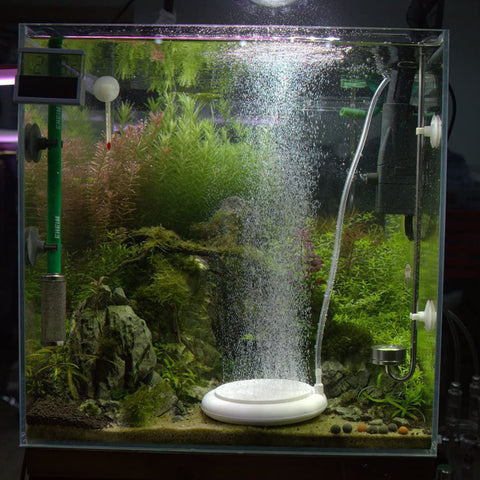
An aquarium needs an air pump to ensure proper oxygenation and circulation.
Creating a thriving aquatic environment goes beyond placing fish in water. The intricacies of maintaining an aquarium are akin to nurturing a small ecosystem. One vital component that often goes unnoticed is the air pump. Understanding why an aquarium needs this device can significantly enhance the health of your aquatic friends. In this article, we’ll dive into the crucial role an air pump plays in your aquarium setup, exploring its impact on oxygen levels, water movement, and overall fish welfare.
Understanding the Role of an Air Pump
An air pump is not just an accessory; it serves essential functions in an aquarium:
- Oxygenation: Fish and other aquatic creatures require ample oxygen, just like terrestrial animals. An air pump helps maintain dissolved oxygen levels, ensuring that your fish can breathe comfortably.
- Water Circulation: Proper water movement aids in the distribution of nutrients, facilitates gas exchange, and prevents stagnant areas, which can lead to algae growth and disease.
- Aesthetic Appeal: Beyond functionality, the gentle bubbles created by an air pump add a pleasing visual element to your aquarium, enhancing the overall ambiance.
How Air Pumps Enhance Fish Health
If you’ve ever found fish gasping at the surface, it's a sign that your aquarium lacks oxygen. An air pump mitigates this issue by continuously infusing air. Let’s explore how this benefits fish health:
- Prevents Oxygen Depletion: Busy aquariums with high bio-load are susceptible to oxygen depletion. Air pumps ensure a constant supply, minimizing stress on fish.
- Supports Beneficial Bacteria: The beneficial bacteria that break down waste require oxygen to function. An air pump supports this biological filtration, maintaining water quality.
- Temperature Regulation: By aiding water circulation, an air pump helps in dissipating heat throughout the tank, preventing hot spots.
Choosing the Right Air Pump for Your Aquarium
Selecting an appropriate air pump ensures effectiveness without disrupting your aquarium’s environment.
- Tank Size: Consider the size of your aquarium. A larger tank will require a more powerful air pump to ensure adequate oxygen distribution.
- Noise Level: Opt for a quieter model if the aquarium is placed in a living area. Modern air pumps range from silent to subtly audible.
- Adjustable Outputs: Some air pumps offer adjustable air flow, allowing for customizable water movement according to the needs of your aquatic environment.
Personal Insights and Tips
Having maintained aquariums for years, I’ve found a few lessons worth sharing:
- Positioning Matters: Placing the air pump higher than the aquarium prevents water backflow during power outages.
- Combine with Filters: Utilizing air-driven filters maximizes the benefit of your air pump, enhancing both oxygenation and filtration.
- Regular Maintenance: Cleaning the air stones every few months prevents blockage and ensures consistent performance.
Frequently Asked Questions
How do air pumps differ from water pumps?
Air pumps introduce air into the aquarium, while water pumps are designed to move water around. Air pumps are crucial for oxygenation, whereas water pumps focus on water movement.
Can an aquarium function without an air pump?
Yes, especially if equipped with other means of oxygenation like a power filter. However, small or heavily stocked tanks often benefit from an additional air pump.
Are there energy-efficient air pumps?
Yes, many energy-efficient models are available that consume minimal electricity while providing effective aeration.
How often should I run my air pump?
It’s advisable to keep air pumps running continuously to maintain steady oxygen levels and water circulation.
Do air pumps contribute to algae growth?
Air pumps themselves do not cause algae but can exacerbate existing conditions if the tank has excessive nutrients and light.
Conclusion
Air pumps play a pivotal role in maintaining a healthy and vibrant aquarium by ensuring adequate oxygenation and water circulation. By investing in a reliable air pump, you can enhance the wellbeing of your aquatic life, create a visually appealing environment, and prevent common issues associated with stagnant water. Ready to optimize your aquarium's health? Consider adding an air pump to your setup today—or simply check out our other resources for more tips on creating a thriving aquatic ecosystem. Share your experiences or questions in the comments below!