Adding plants improves water quality, reduces stress, and creates natural habitat for fish.
I’ve kept aquariums for years and helped hobbyists build healthy tanks. This article explains why is it important to add plants to an aquarium that has fish in it. I’ll show the science, simple steps, and real-world tips so you can use plants to make your fish thrive. Read on to learn practical reasons, plant picks, and mistakes to avoid when you add plants to an aquarium that has fish in it.
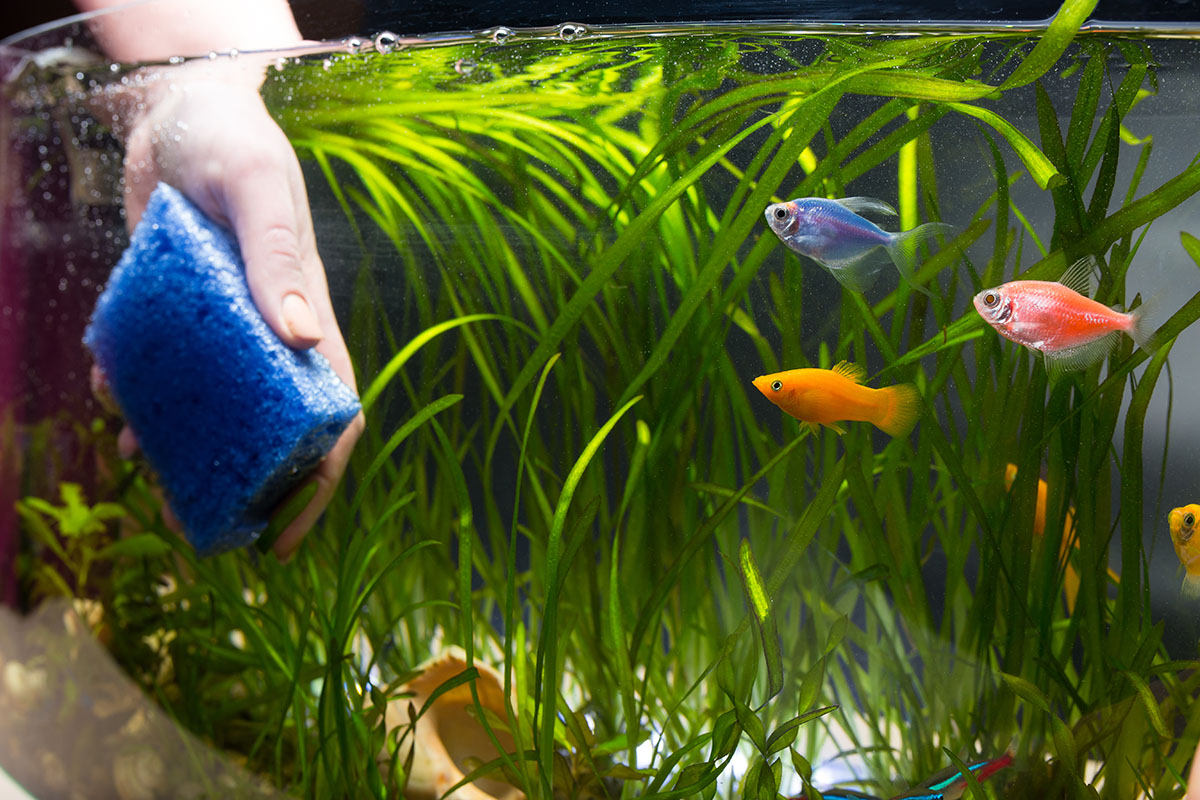
Major benefits of adding plants to a fish aquarium
Plants do a lot more than look nice. They change water chemistry. They give fish places to hide and breed. They cut down algae and make tanks more stable.
Why is it important to add plants to an aquarium that has fish in it:
- Plants absorb ammonia, nitrite, and nitrate, helping keep water safe.
- Plants produce oxygen during the day and soften pH swings.
- Plants provide cover, reducing fish stress and aggression.
These benefits are backed by aquarium science and by many veteran keepers. When you add plants to an aquarium that has fish in it, you build a more balanced system that needs less correction and fewer emergency changes.

How plants improve water chemistry and oxygen
Plants take up nitrogen waste. They use ammonia and nitrate for growth. That reduces toxic buildup between water changes.
Why is it important to add plants to an aquarium that has fish in it:
- Live plants compete with algae for nutrients, limiting algae growth.
- Plants release oxygen in light and absorb CO2, helping gas balance.
- Rooted plants stabilize substrate and cycle nutrients on-site.
Keep in mind plants work best with good lighting and a clean substrate. Even slow-growing plants help filter water. When you add plants to an aquarium that has fish in it, you get a living filter that runs 24/7.
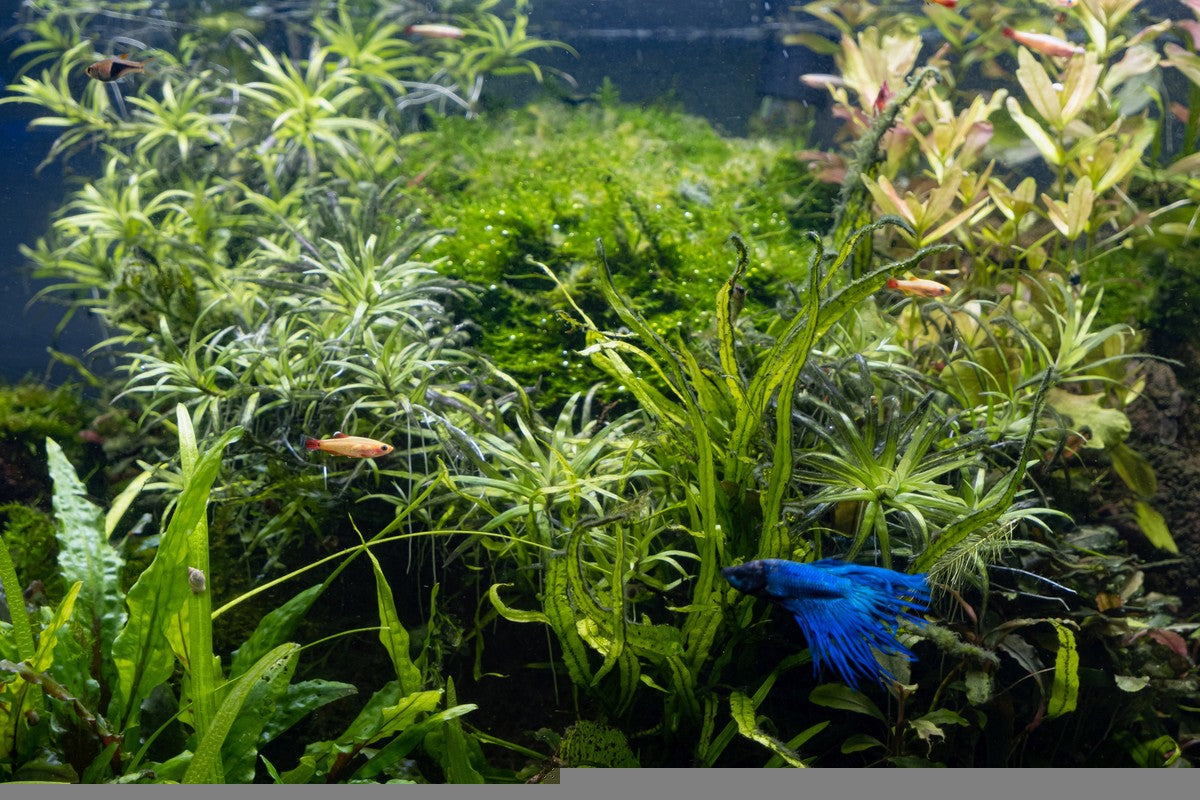
How plants support natural behavior and fish health
Fish behave more naturally with plants around. They hide, explore, spawn, and feed in planted spaces.
Why is it important to add plants to an aquarium that has fish in it:
- Plants offer shelter and comfort, lowering stress and disease risk.
- Plants create territories that reduce fights among territorial species.
- Fry and shy species use plants for protection, improving survival rates.
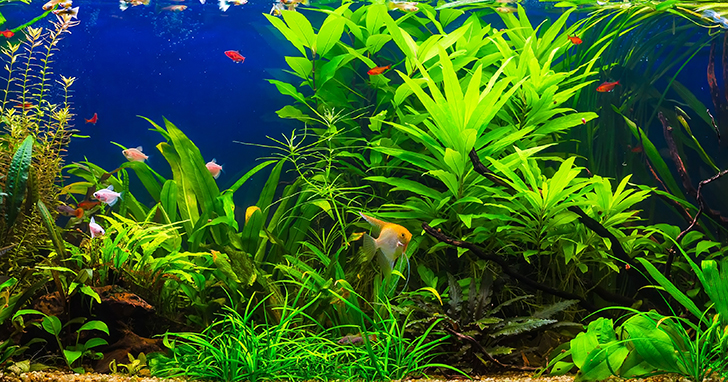
As a keeper, I’ve seen shy tetras come out in planted tanks but hide in bare tanks. When you add plants to an aquarium that has fish in it, you often see brighter colors and calmer fish.

Plants as algae control and biological filtration
Algae thrive on light and excess nutrients. Plants take those nutrients first. That slows or prevents algae blooms.
Why is it important to add plants to an aquarium that has fish in it:
- Fast-growing plants outcompete algae for nitrate and phosphate.
- Plants trap detritus and make it easier to remove during vacuuming.
- A healthy plant bed reduces the need for chemical algicides.
Pairing plants with routine maintenance keeps tanks clear. If you add plants to an aquarium that has fish in it, you reduce algae headaches and chemical use.
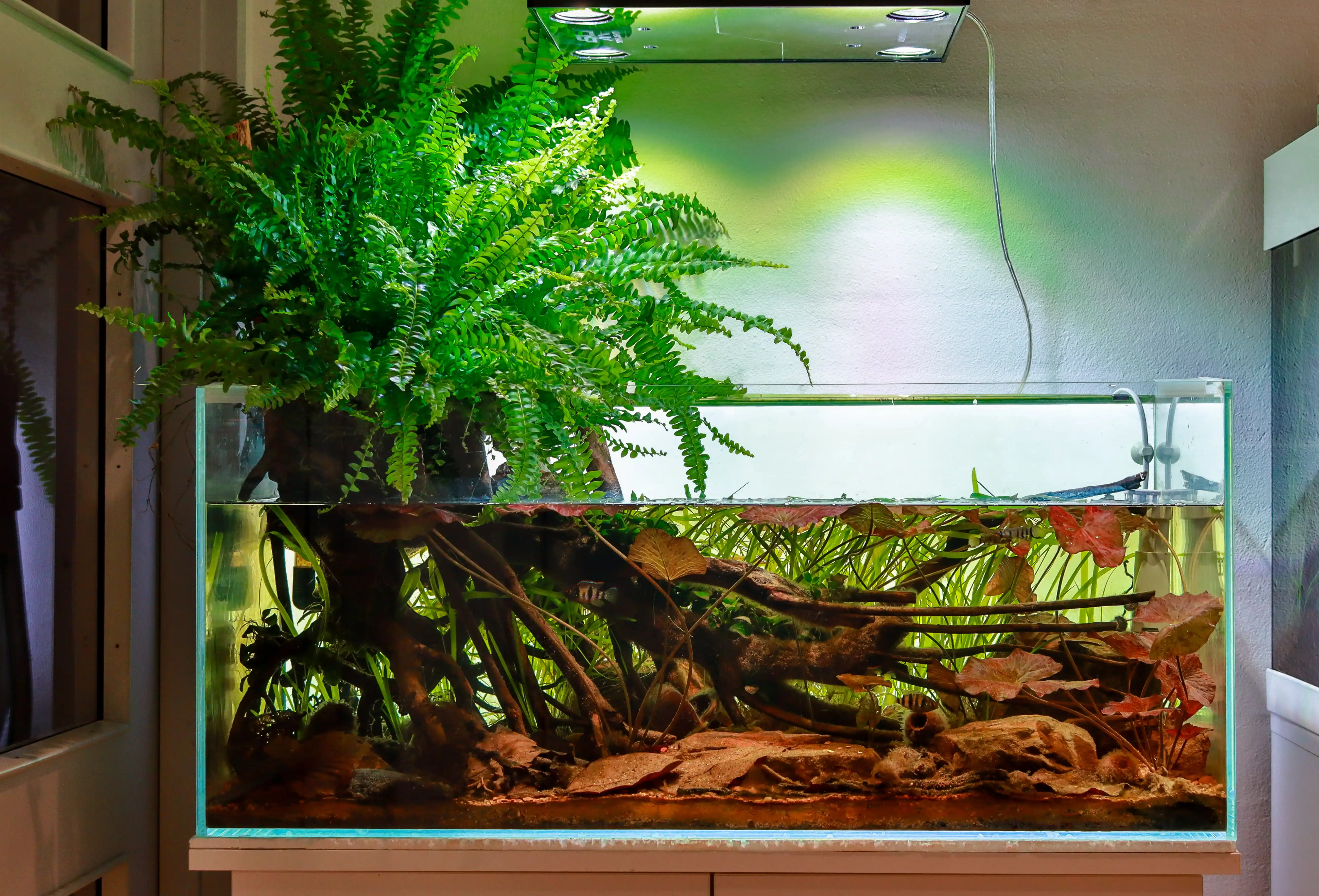
Choosing the right plants for your tank
Not all plants match every tank. Consider light, substrate, and fish type before planting.
Why is it important to add plants to an aquarium that has fish in it:
- Low-light plants fit low-tech tanks; high-light plants need CO2 and fertilization.
- Rooted plants suit sand or soil; epiphytes attach to wood or rock.
- Pick plants that tolerate your water hardness and temperature.
Common easy choices include Java fern, Anubias, Java moss, and Amazon sword. When you add plants to an aquarium that has fish in it, match plant needs to your setup to avoid frustration.
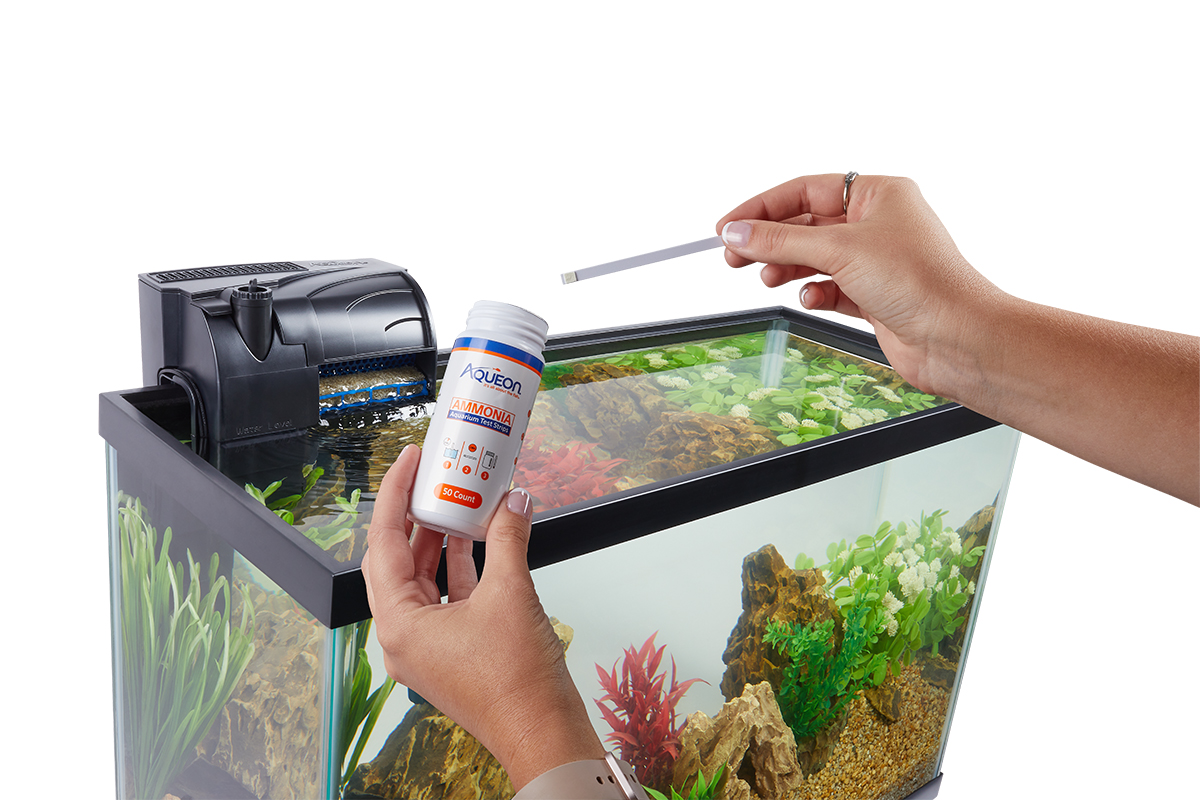
Practical setup tips and planting steps
Start simple. Use healthy plants and prep the tank. Follow easy steps for success.
Why is it important to add plants to an aquarium that has fish in it:
- Quarantine new plants to avoid pests and snails.
- Plant securely so fish don’t uproot them.
- Add slow fertilization and adjust light slowly to avoid algae.
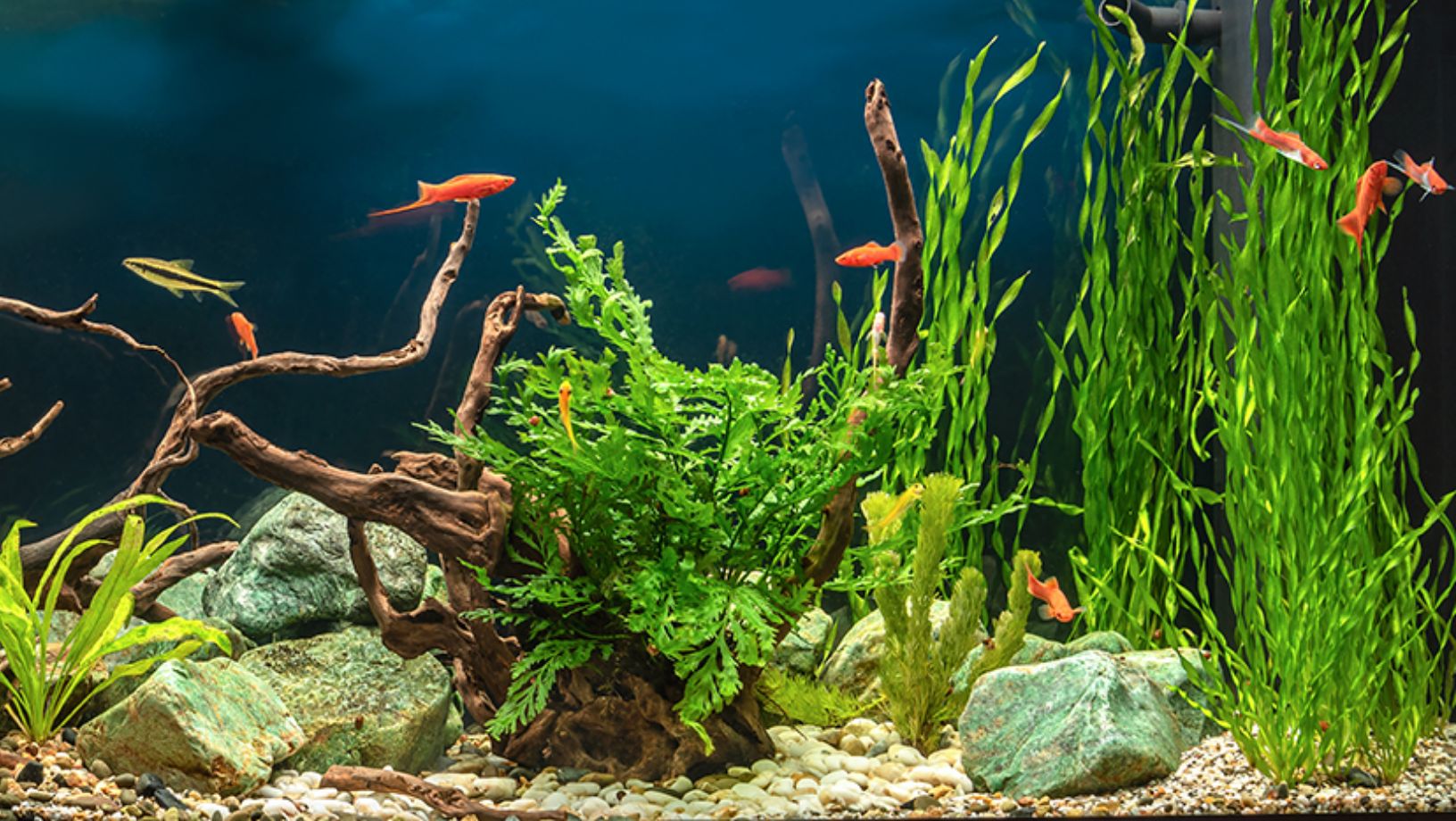
My tip: plant tall background species first, then mid-ground, then foreground. When you add plants to an aquarium that has fish in it, do it in stages to let the ecosystem adapt.
Maintenance, common mistakes, and how to avoid them
Plants need care. Yet they often fail from common errors. Fixing basics goes far.
Why is it important to add plants to an aquarium that has fish in it:
- Overfeeding and poor light are top causes of plant decline.
- Skipping quarantine introduces pests and hitchhikers.
- Wrong substrate or too-strong flow can uproot roots.
Avoid big water changes at once. Trim regularly and dose nutrients based on plant load. When you add plants to an aquarium that has fish in it, steady care beats flashy tricks.
Personal experience and lessons learned
I once added a heavy planting to a community tank. The fish calmed within days. Nitrate dropped and colors brightened. I also learned to trim on a schedule and to watch light levels.
Why is it important to add plants to an aquarium that has fish in it:
- The right plants made a timid gourami active and more colorful.
- A planted tank recovered faster from a small ammonia spike.
- Mistakes taught me to test water and tweak light slowly.
From my years keeping tanks, plants are the single best upgrade for health and stability. If you add plants to an aquarium that has fish in it, you invest in long-term balance.
How plants affect common aquarium problems
Plants can reduce many common issues. They help with nitrates, pH swings, and fish stress.
Why is it important to add plants to an aquarium that has fish in it:
- Plants lower nitrate and help buffer small pH changes.
- Plants reduce the frequency of emergency water changes.
- Plants create habitats that reduce fighting and disease spread.
Use plants alongside testing and routine care. When you add plants to an aquarium that has fish in it, you reduce surprises and create a calmer environment.
Frequently Asked Questions about why is it important to add plants to an aquarium that has fish in it
Will live plants actually clean my water?
Yes. Live plants absorb ammonia, nitrite, and nitrate as nutrients. They act as a natural filter and reduce toxin build-up.
Can plants harm certain fish species?
Some fish eat or uproot plants. Choose hardy species or use anchored plants to avoid damage. Research fish-plant compatibility before planting.
Do I need special lights or CO2 when I add plants to an aquarium that has fish in it?
Not always. Low-light plants do well on basic lights. High-light, lush growth may need CO2 and nutrients for best results.
How often should I trim and fertilize planted tanks?
Trim fast growers every 1–3 weeks. Fertilize based on plant load and test results. Light trimming and slow dosing keep balance.
Will plants increase algae problems?
Plants generally reduce algae by consuming excess nutrients. Algae can spike if light and nutrients are out of balance, so adjust both when needed.
Conclusion
Adding plants to an aquarium that has fish in it makes your tank healthier, more stable, and more natural. Plants filter waste, add oxygen, cut algae, and help fish show true behavior. Start with easy species, plant in stages, and maintain light and nutrients slowly.
Takeaway: plant-first setups often need less work and give better results. Try adding a few hardy plants this week and watch your tank improve. If you have questions or want plant recommendations, leave a comment or subscribe for more tips.