Fish In Cycle vs Fishless Cycle: Which Is Actually Safer?
If you hang out in aquarium forums long enough, you’ll start to think there’s a never ending war happening: fish in cycle vs fishless cycle, and which one is safer. One camp swears fish in cycling is literal torture. The other acts like it’s no big deal because their grandpa did it in a 10 gallon with a goldfish. The truth sits somewhere in the middle, and it’s far less dramatic than the arguments suggest.
My goal with this guide is to cut through the noise. You’ll walk away understanding what’s actually happening inside your tank during cycling, what ammonia numbers really mean for fish safety, and how to choose the method that fits your situation instead of the method someone bullied you into.
And yes, I’ll share the reality: I’ve done both methods, sometimes on purpose, sometimes because I accidentally forgot to seed a filter. I’ve also made every beginner mistake possible, including the infamous uncycled tank that took out my first betta, Gerald. So trust me. I’ve been humbled by this process.
What Actually Happens During Cycling: The 60 Second Science That Changes Everything
People treat cycling like an abstract ritual. Really it’s just bacteria doing their thing, and once that clicks, the whole debate makes way more sense.
Here’s the quick version:
– Fish and food produce ammonia.
– One group of bacteria eats ammonia and turns it into nitrite.
– Another group eats nitrite and turns it into nitrate.
– Nitrate is the one you control with water changes and plants.
Both fish in and fishless cycles are trying to accomplish the same goal: grow enough bacteria to process ammonia and nitrite before they reach harmful levels. The difference is whether fish are physically present during the process.
Fish-In Cycling Reality Check: True Risks, Real Numbers, and the Safe Ammonia Window
People ask me all the time, what is fish in cycle, and is fish in cycle safe? Honestly, it can be. But only when you control the ammonia peaks. Fish can survive the cycling process, but they won’t if ammonia or nitrite hits the red zone.
Most beginners only hear two extremes:
– “Fish in cycling is abusive.”
– “Fish are totally fine because mine survived.”
Both are misleading.
Here are the numbers that matter:
– The fish in cycle ammonia levels safe range is roughly 0.25 ppm or below when using liquid tests.
– Anything hitting 0.5 ppm needs immediate action.
– Nitrite should be kept as close to 0 ppm as possible, with immediate water changes when any nitrite is detected.

Ammonia toxicity symptoms in fish, like gasping, clamped fins, frantic darting, or lethargy, can actually appear at levels well below 1.0 ppm. This is particularly true for sensitive species. The toxic effects depend heavily on pH and temperature, since un-ionized ammonia is the harmful form. By the time ammonia hits 1.0 ppm, you’re in dangerous territory. Many fish will show distress at 0.25 to 0.5 ppm or even less.
So fish in cycling is only safe when you keep ammonia low. The hobby myth that fish will simply “adjust” to cycling stress is wrong. They don’t adjust. They suffer through it unless you intervene.
How long does fish in cycle take to complete? Usually three to six weeks. It can go faster with seeded media (covered later) or slower when you stock too heavily.
The Fish-In Survival Protocol: Daily Water Change Schedule and Emergency Response Plan
Deciding to go fish in? Then you need a plan. I’m not trying to scare you, but I also won’t pretend you can skip maintenance and hope for the best. Here’s the how to safely cycle tank with fish step by step guide I give friends.
Daily routine:
– Test ammonia and nitrite each day before lights on.
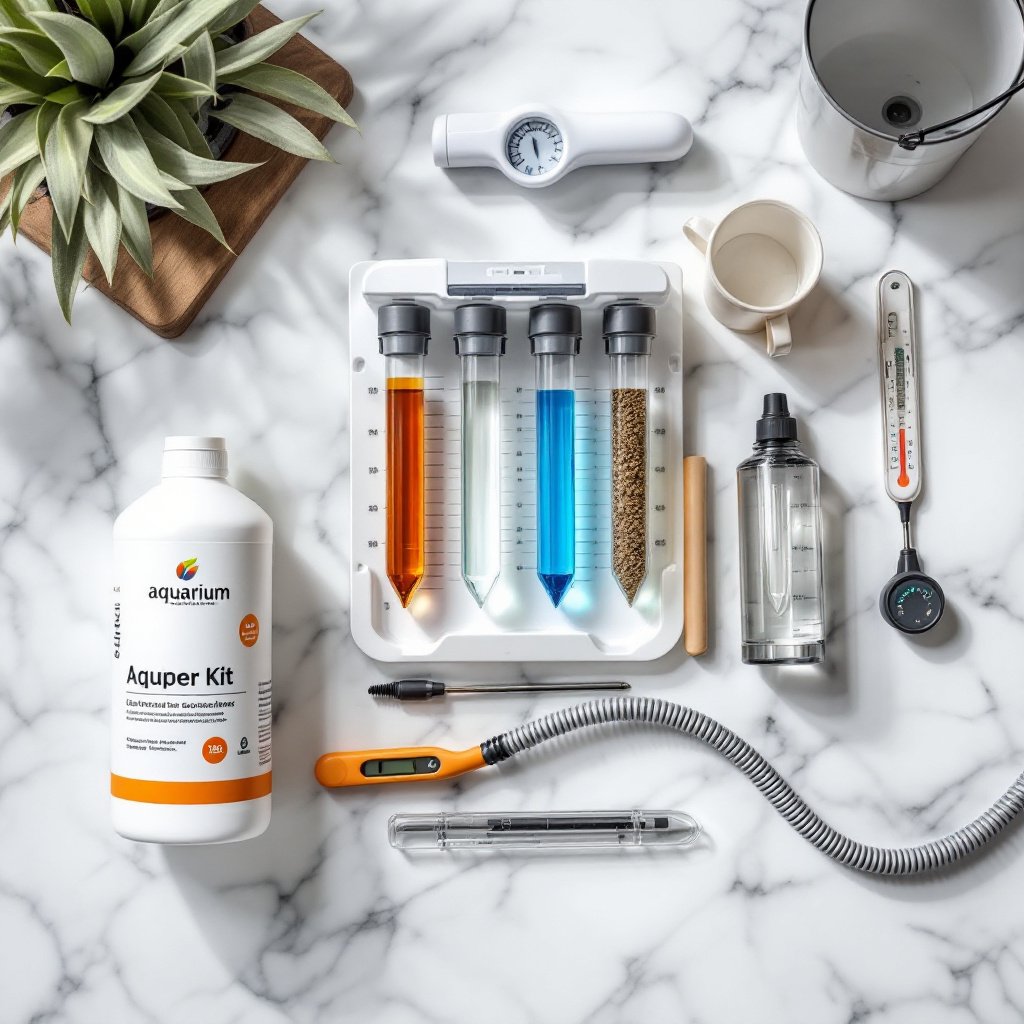
– At 0.25 ppm ammonia, do a 30 to 50 percent water change.
– At 0.5 ppm ammonia, change 60 percent.
– Any nitrite detected means a water change. Immediately.
My recommended fish in cycle water change schedule is simple: change water as often as needed to lock numbers under control. There’s no such thing as too many water changes in a fish in cycle.
Emergency plan:
– Ammonia spikes above 0.5 ppm? Use a detoxifying conditioner.
– Do a large water change.
– Reduce feeding to once every other day.
– Add floating plants when possible because they soak up nitrogen fast.
– Got a second tank or tub and the fish looks rough? Move them.
And here’s a tip I wish someone gave me early: avoid cleaning the filter during the cycle unless it’s completely clogged. Otherwise you’ll wash away the very bacteria you’re trying to grow.
Fishless Cycling Advantages: When It’s the Clear Winner And When It’s Overkill
Fishless cycles are popular for a reason. They’re predictable, safe, and stress free. Mess up your ammonia dosing and the only thing that suffers is your pride. No living creature is depending on you to get it right.
Fishless cycling wins when:
– There’s no rush to add livestock.
– A stable cycle matters before adding delicate species.
– The heavily planted scape cost real money, and you want the bacteria ready before stocking.
But sometimes I see beginners pushed into fishless cycling even when they don’t need to be. Someone has a single hardy fish in a small tank with seeded media available? A fishless cycle might be unnecessary. I’ve done plenty of quick setups where fishless would have been overkill.
The Shortcut Both Methods Miss: Using Seeded Media to Slash Risk and Time
This is the part nobody talks about enough. Having the option to use seeded media makes the whole question of fish in cycle vs fishless cycle which is safer become less stressful. Seeded sponges or biomedia from an established tank carry thousands of ready to work bacteria.
Running a fish in cycle with seeded filter media? The cycle can finish in days instead of weeks. I’ve done this in several of my nano tanks when I couldn’t resist a new hardscape idea. Just grabbed a chunk of cycled sponge from another tank, squeezed it into the new filter, and boom. Instant population.
Buying used equipment from another hobbyist, or already have a tank running? This shortcut saves you so much headache.
Best Hardy Fish for Cycling and The Species You Should Never Use
Sometimes you really do need to cycle with fish. Maybe a rescue situation happens. Maybe a fish gets gifted to you unexpectedly, which has happened to me more than once.
Best hardy fish for tank cycling beginners:
– Zebra danios
– White cloud mountain minnows
– Guppies
– Endlers
Fish you should absolutely avoid:
– Corydoras
– Gouramis
– Rams and other sensitive cichlids
– Any wild caught species
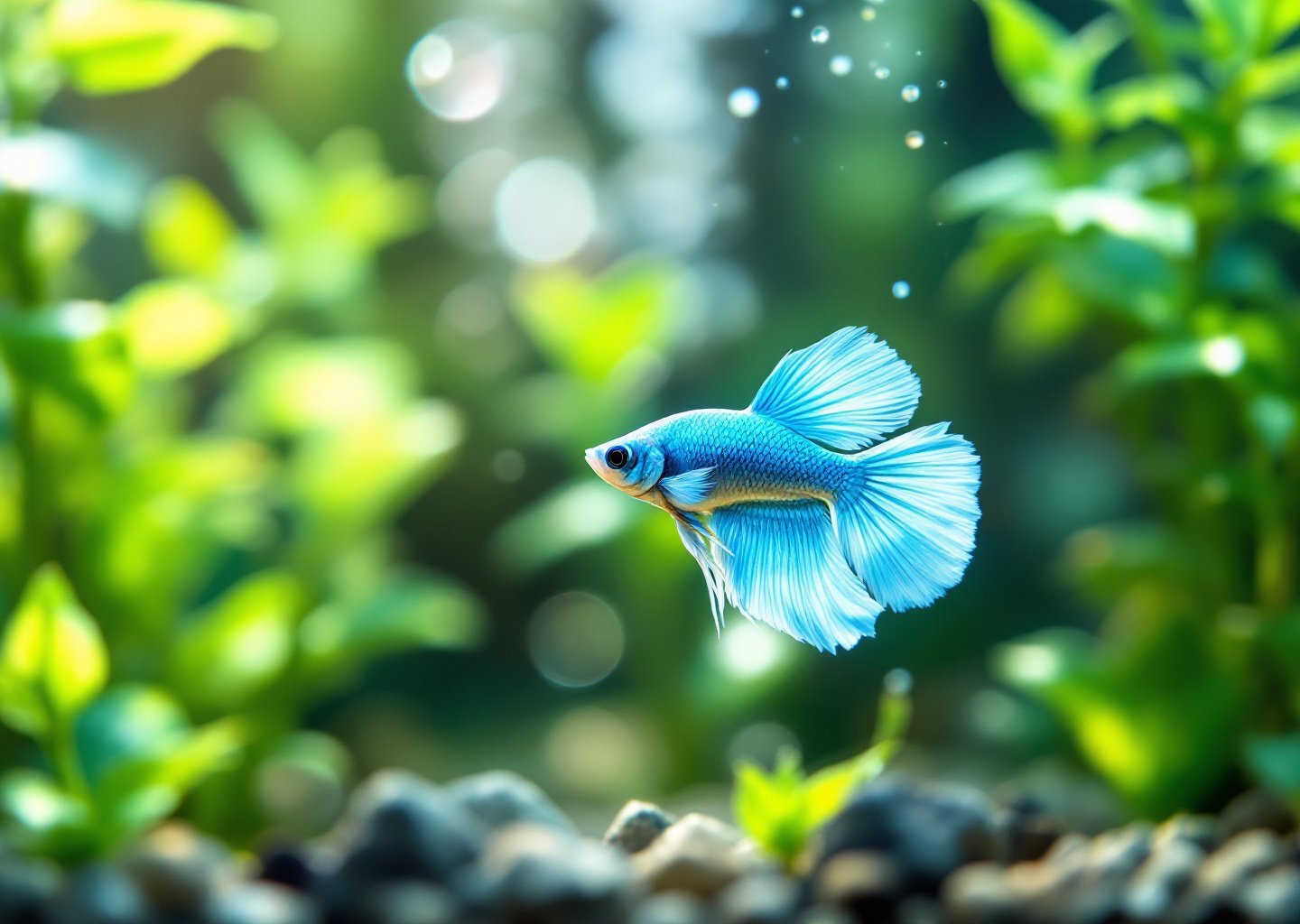
I know people love using bettas for cycling, and I get it. Bettas are often the first fish someone encounters. They’re actually relatively tolerant of poor water conditions compared to many other species, thanks to their labyrinth organ and adaptation to stagnant waters. But that tolerance isn’t an excuse to subject them to ammonia stress. Gerald taught me that the hard way. He didn’t deserve to be my test subject in an uncycled tank.
The Bottom Line: Choosing Your Method
Here’s the part where everything comes together. The question fish in cycle vs fishless cycle which is safer has a real answer, but it depends on you.
Use fish in cycling when:
– The fish is already in your possession.
– Daily testing and water changes aren’t a problem.
– Seeded media is ready to go.
Use fishless cycling when:
– Zero risk is the priority.
– Sensitive species are on the wishlist.
– There’s no rush.
What matters more than the method is your consistency. Daily tests, fast reactions, and not overfeeding will save you far more fish than arguing methods ever will.
Want to keep learning? Check out my guides on nitrogen cycle for beginners and best floating plants for nutrient control.