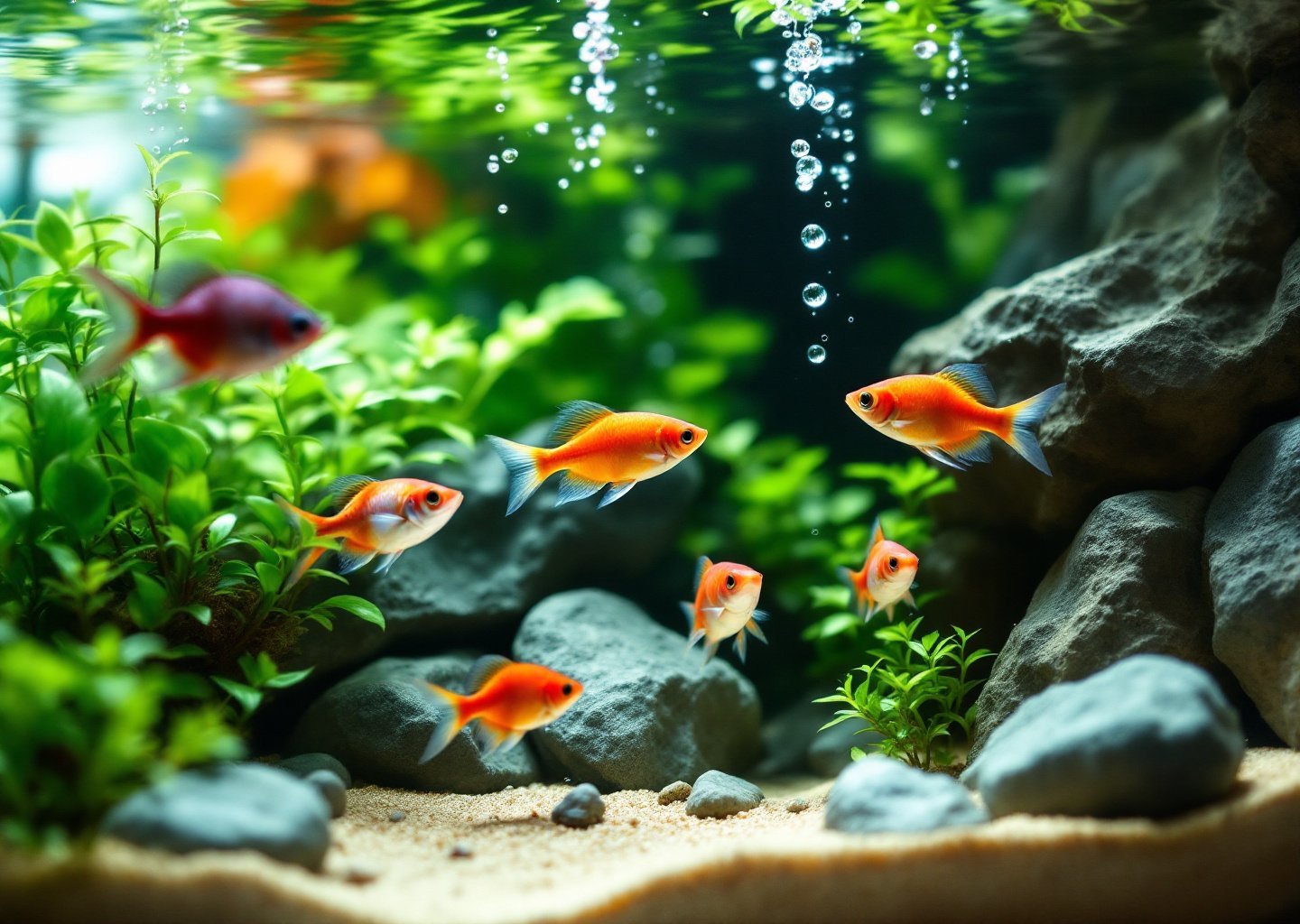
My First Year Killing Fish: What Actually Survives in a 10-Gallon Tank
I still cringe thinking about the tiny graveyard of fish I accidentally built during my first year in the hobby. Genuinely thought I was doing everything right. Watched the videos, trusted the pet store staff, bought the tank kit with the cheerful neon fish on the box. Then my poor betta, Gerald, became the most memorable victim of my uncycled tank fiasco. If you’re starting your first tank, especially a small one like a 10-gallon, I want to save you from the exact same heartbreak and wasted money. And yes, I really did blow about $200 learning this the hard way.
Most lists promising the best beginner fish for 10-gallon aquarium setups look harmless enough. Cute photos, bold promises like “easy care” or “perfect for small tanks.” But here’s the uncomfortable truth: almost any fish can seem easy until you toss it in an uncycled tank with incompatible roommates and stress it into an early grave. Been there. Documented it. Now I can tell you which fish actually survived my mistakes and which ones didn’t stand a chance.
Want a 10-gallon that stays stable, affordable, and full of life instead of disappointment? You’re in the right place.
The Truth About 10-Gallon Stocking: Why “Easy” Fish Still Die, and What Actually Matters
When people talk about easy fish for small tanks, they usually mean hardy species. Hardy is good, sure. But here’s the thing. Hardy doesn’t save a fish from beginner errors like:
- Skipping the nitrogen cycle because a pet store employee said you don’t need it
- Overstocking because the fish look tiny on day one
- Mixing personalities that absolutely hate each other
- Trusting the one-inch-per-gallon myth (please don’t)
What actually matters in a 10-gallon:
- How messy the species is, since some fish produce a ton of waste
- Whether they can tolerate ammonia spikes, which new tanks almost always have
- Their personality, because bettas really don’t enjoy fast, nippy tankmates
- Swimming style, meaning top dwellers vs. mid vs. bottom; you need a balance
- Bioload, given that livebearers like guppies multiply until your tank basically collapses
Small tanks are beautiful. Love the aesthetic, honestly. But they don’t forgive poor decisions. You need fish that bounce back from early bumps, not fragile species that expect perfection from day one.
Top 7 Hardy Fish That Don’t Die Easily, Ranked by Real Survival Rates
This list comes from my own experience across seven nano tanks, plus the fish I foolishly tried to keep before I understood what cycling even was.
1. Cherry Barbs
My personal MVPs for hardy fish that don’t die easily. Cherry barbs handled my early water wobbling like absolute champs. Peaceful, colorful, and way less nippy than their larger barb cousins. A group of six works beautifully in a 10-gallon if you keep the scape plant-heavy.
2. Platies
Platies are low-maintenance fish for 10-gallon tank setups, and honestly? Little tanks themselves. The only issue: they breed like they’re trying to repopulate the earth. Lost zero platies in that chaotic first year, which says a lot about their resilience.
3. Endler’s Guppies
More resilient than fancy guppies, at least in my tanks. Endler’s stayed active even when my water parameters were doing the equivalent of a roller coaster ride.
4. White Cloud Mountain Minnows
Cold-water friendly, super forgiving, hyperactive little rockets. These guys tolerate a bit of neglect, which makes them fantastic for beginners who are still figuring things out.
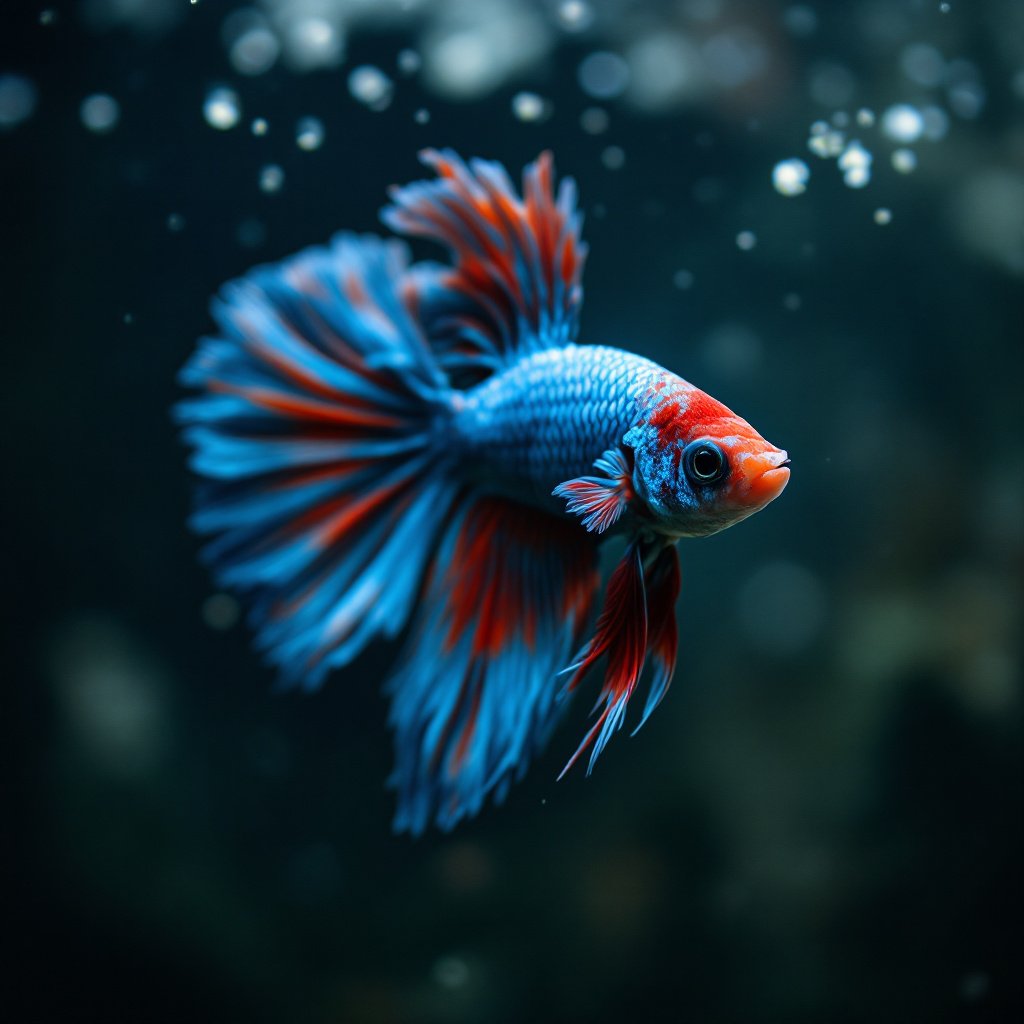
5. Honey Gourami
Not quite as tough as cherry barbs, but still a solid choice. Calm, colorful, and without the ego problems bettas are famous for.
6. Nerite Snails
Yes, snails. Mine lived through my entire beginner phase with zero complaints, just algae buffets. Honestly, they make a great cleanup crew.
7. Amano Shrimp
Shrimp can be delicate, but Amanos? Closest thing to shrimp terminators. Amanos help balance bioload and keep algae under control like tiny aquatic janitors.
Notice what’s missing? Fancy guppies and bettas. Yeah, there’s a reason for that.
Betta vs. Guppy vs. Platy: The Honest Beginner Showdown Nobody Talks About
If you stopped ten people on the street and asked them to name an easy fish, half would say betta. The other half? Probably guppy.
Having kept all three, sometimes in ways I now deeply regret, I can tell you they’re not equally beginner-friendly. Not even close.
Bettas
Marketed like dorm decor that eats food every few days. Reality is… different. Bettas hate flow, hate fin nippers, and hate unstable water. Gerald didn’t make it because my tank wasn’t cycled and the filter was way too strong for him. Bettas are fine if your tank is stable, but they’re not the best beginner fish for a 10-gallon aquarium unless you set everything up right from day one. Sound familiar if you’ve lost one?
Guppies
Fancy guppies are stunning but fragile. Their genetics are honestly a mess due to overbreeding, and they often crumble under minor ammonia spikes. Endler’s guppies are better. Fancy guppies? Drama queens.
Platies
Platies win this showdown. Incredibly resilient, colorful, and forgiving of new tank dust-ups. Better body structure than guppies makes them sturdier overall.
Peaceful Community Fish Combinations That Actually Work in 10-Gallons
Matching peaceful community fish for small tanks feels like actual matchmaking sometimes, doesn’t it? You want personalities that get along and swimming styles that don’t overlap too much.
Combos I’ve actually tested that work:
- Honey gourami with six ember tetras and a nerite snail
- Six cherry barbs with three Amano shrimp
- Six Endler’s guppies with one honey gourami and a few snails
- Platy trio with a small school of celestial pearl danios
These peaceful community fish work in 10-gallon tanks without turning your living room into a nature documentary about aggression. Trust me on this one.
How Many Fish Can Live in a 10-Gallon Aquarium? The Real Math, Not Pet Store Math
Numbers time. The question “how many fish can live in a 10-gallon aquarium” gets tossed around constantly, and honestly, the answers are usually awful. The inch-per-gallon rule? Outdated and basically useless.
Think about it like this:
- Livebearers like platies and guppies add bioload very quickly
- Schooling fish do better in groups of six minimum
- A single gourami or betta counts as a medium bioload
The math I actually use now looks like this:
- One medium fish equals roughly four gallons of bioload space
- One small schooling fish equals about one gallon of bioload space
- One snail or shrimp equals almost zero, unless you’re overfeeding
Examples:
- How many guppies in a 10-gallon tank? Four Endler’s guppies or three fancy guppies max.
- Best fish combinations for 10-gallon tanks? One centerpiece fish plus a micro school.
If you think your tank looks empty, add plants instead of more fish. Plants fill visual space without stressing the ecosystem. Game-changer, honestly.
Someone should have handed me this plan before I flushed $200 down the drain.
Days 1 to 7
- Set up the tank with substrate and hardscape
- Add fast-growing plants
- Start cycling with bottled bacteria
- Test water every other day (yes, actually do this)
Days 8 to 14
- Add snails or shrimp first
- Check for ammonia spikes
- Adjust flow so it’s gentle, especially if you want a betta later
Days 15 to 21
- Add your first small group, such as six Endler’s guppies or six ember tetras
- Feed lightly
- Keep testing
Days 22 to 30
- Add your centerpiece fish if you want one
- Monitor parameters and do a 25 percent water change weekly
Stick to this timeline, and your tank will actually stabilize. You’ll get to enjoy the fish you paid for instead of turning your 10-gallon into a memorial wall.
Want more stocking combinations? Check out beginner 10-gallon stocking ideas.