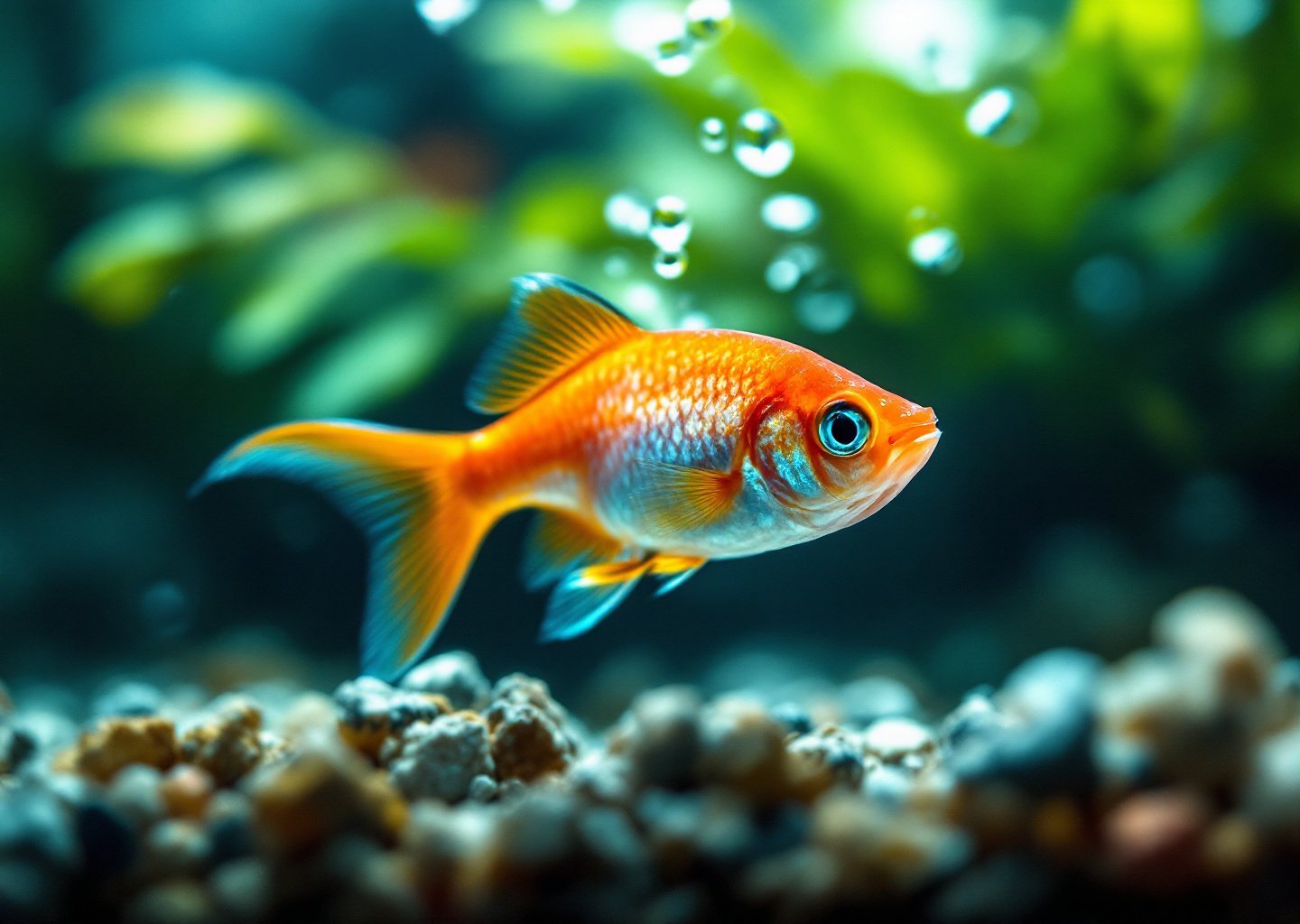
How to Lower Ammonia Levels in an Aquarium Quickly: A 60-Minute Emergency Protocol
That jolt in my stomach still hits when I think about that night. Close to 11 PM, my apartment silent, and there I was brushing my teeth when frantic splashing erupted from my 10-gallon tank. My ember tetras were gasping at the surface. The honey gourami had gone pale and was wobbling like he’d lost his bearings. One quick test later, the API kit showed deep green. Off the chart. Either I figured out how to lower ammonia levels in an aquarium quickly, or I’d lose the whole tank before sunrise.
What follows is the exact 60-minute timeline that saved my fish. Years of cleaning up messy beginner mistakes taught me plenty, and that night felt like every bad memory crashing together at once. But the tank made it through. Yours can too. Ever wondered why your fish tank ammonia spiked so high out of nowhere? Been frantically searching for how to neutralize ammonia in a fish tank immediately? Consider this the protocol I wish someone had taped to my cabinet door years ago.
Minute 0 to 5: Rapid Assessment, Reading the Signs of Ammonia Poisoning in Fish
When things go sideways, spotting the signs of ammonia poisoning in fish fast can mean the difference between a rough night and a complete wipeout. My tank that night showed several red flags:
- Fish gasping at the surface in classic ammonia emergency fashion
- Clamped fins
- Erratic, panicked swimming
- Slight whitish patches forming on the gourami’s face
See any of that? Assume ammonia is sky-high. Grab your liquid test kit, not strips. Liquid kits catch danger a lot faster. Even when you already suspect the result, testing gives you a baseline for the next 48 hours.
Minute 5 to 20: The Emergency Water Change Protocol, How Much and How Fast
People lose precious time here. Back when I used to Google “water changes to lower ammonia how much how often,” cautious advice would send me down rabbit holes. But in an actual emergency, caution costs lives.
My approach now:
- Change 50 percent immediately
- Match temperature within 2 degrees if possible
- Refill gently to avoid stirring debris into the water column
A lot of beginners worry that a big water change will shock the fish. Here’s the reality: they’re already shocked from ammonia. Clean water beats consistency when your fish are suffocating. And for those of us with small apartment tanks, the impact of a fast water change hits even stronger.
Minute 20 to 40: Chemical Intervention with Prime, Ammo-Lock, and What Actually Neutralizes Ammonia Immediately
This was the turning point that night. My emergency fish tank ammonia treatment shelf was a disaster, but somehow the right products were there.
A few things actually bind ammonia on contact:
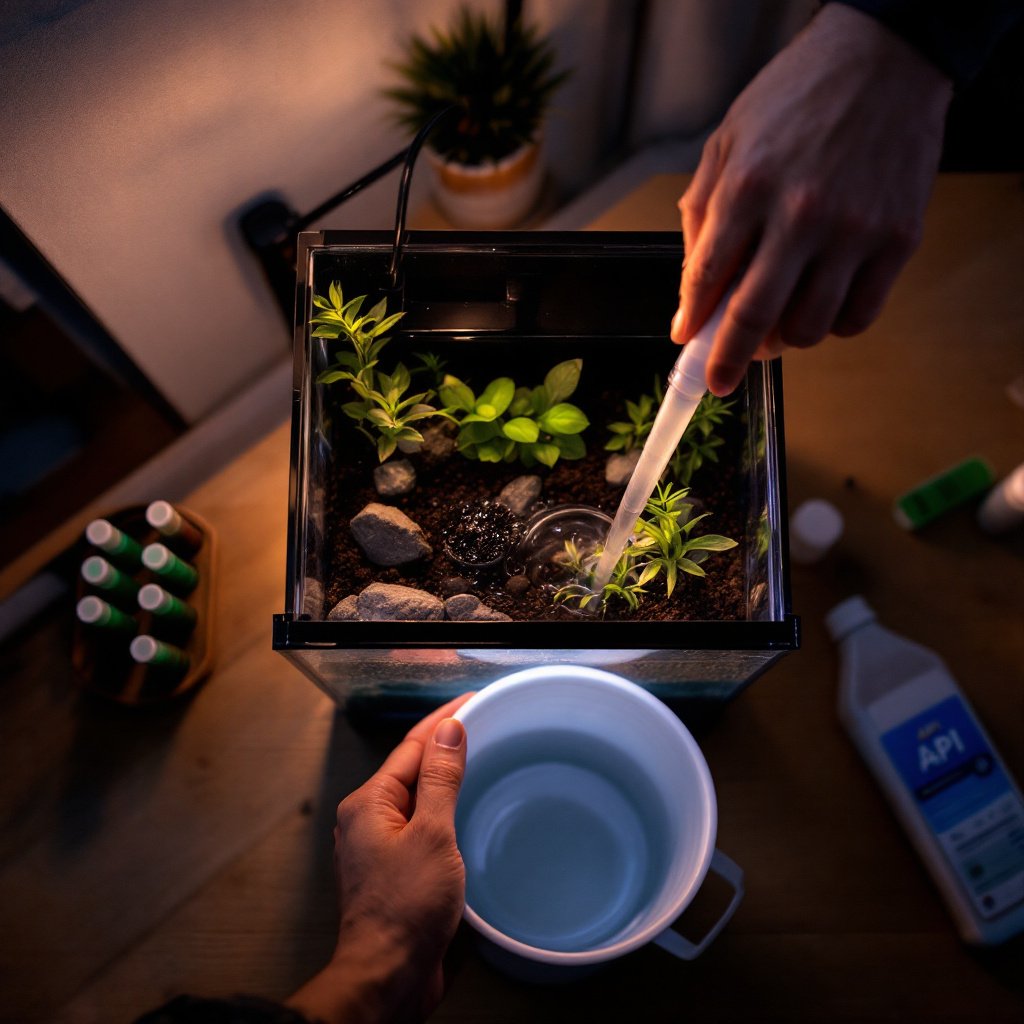
- Seachem Prime, often considered the best water conditioner for ammonia removal
- API Ammo-Lock, a very fast ammonia remover for fish tank emergencies
Neither one removes ammonia from the system entirely. They convert free ammonia into a less toxic form while your bacteria catch up. That breathing room is what saves your fish.
Prime went in at the emergency dose level. Then I waited ten minutes and dosed again because my tank was truly off the rails. The bottle even allows for it. Running a hang-on-back filter? Keep the flow on low to avoid extra stress, but leave it running.
Wondering how to neutralize ammonia in a fish tank immediately? This step is as close as it gets.
Minute 40 to 60: Stabilization and Monitoring, When You Can Finally Breathe
By minute 40, my fish were still stressed, but that frantic gasping had slowed. Pulling up a chair, I tested again and watched for changes:
- Breathing rate
- Schooling behavior
- Color returning
Staring at a tank for twenty straight minutes isn’t my usual habit. But this time felt different. My gourami shifted from pale beige back to his normal honey tone. Right then, I knew we’d bought ourselves time.
Keep lights dim during this stage. Stress is already running high, and soft lighting seems to help fish settle. Small detail, big impact.
The Next 48 Hours: Why Ammonia Won’t Drop and What You Should Do About It
Here’s what confused me for months after my first spike. Ammonia often won’t drop, even after your emergency steps. People message me saying their ammonia won’t go down in the fish tank and asking what they did wrong. They didn’t mess up.
Two reasons this happens:
- Binding products hold ammonia in a detoxified form that still shows on most test kits
- Your bacteria colony needs time to recover before converting ammonia again
My routine for the next 48 hours:
- Test morning and night
- Add a normal dose of Prime every 24 hours
- Keep feeding super light, barely anything
- Do another 30 percent change if fish show any distress
And don’t scrub the filter or gravel during this period. Your bacteria are fragile and need a stable environment.
Post-Crisis Autopsy: Finding Why Your Established Tank Spiked
Once everyone is breathing normally again, it’s time to figure out what went wrong. Ammonia spike causes in an established tank can be surprisingly sneaky.
The usual suspects I’ve tracked down over the years:
- Dead fish or shrimp hidden in plants
- Overfeeding spiraling into a rot bomb
- Filter media rinsed too aggressively
- Power outage that killed bacteria
- Old filter sponges collapsing into mush
My case? A buried melting crypt released a nasty pocket of decomposing plant matter. Earlier that day, I’d uprooted it too fast and stirred up way more than I realized. Should have known better. But even careful aquascapers slip sometimes. My design background means I fuss with plant placement more than most people, so I’ve had to learn this lesson repeatedly.
A simple checklist helps pinpoint the cause:
- Smell the filter
- Check for dead livestock
- Look for disturbed substrate
- Review any recent changes
Figuring out what happened helps prevent round two.
Building Your Emergency Shelf
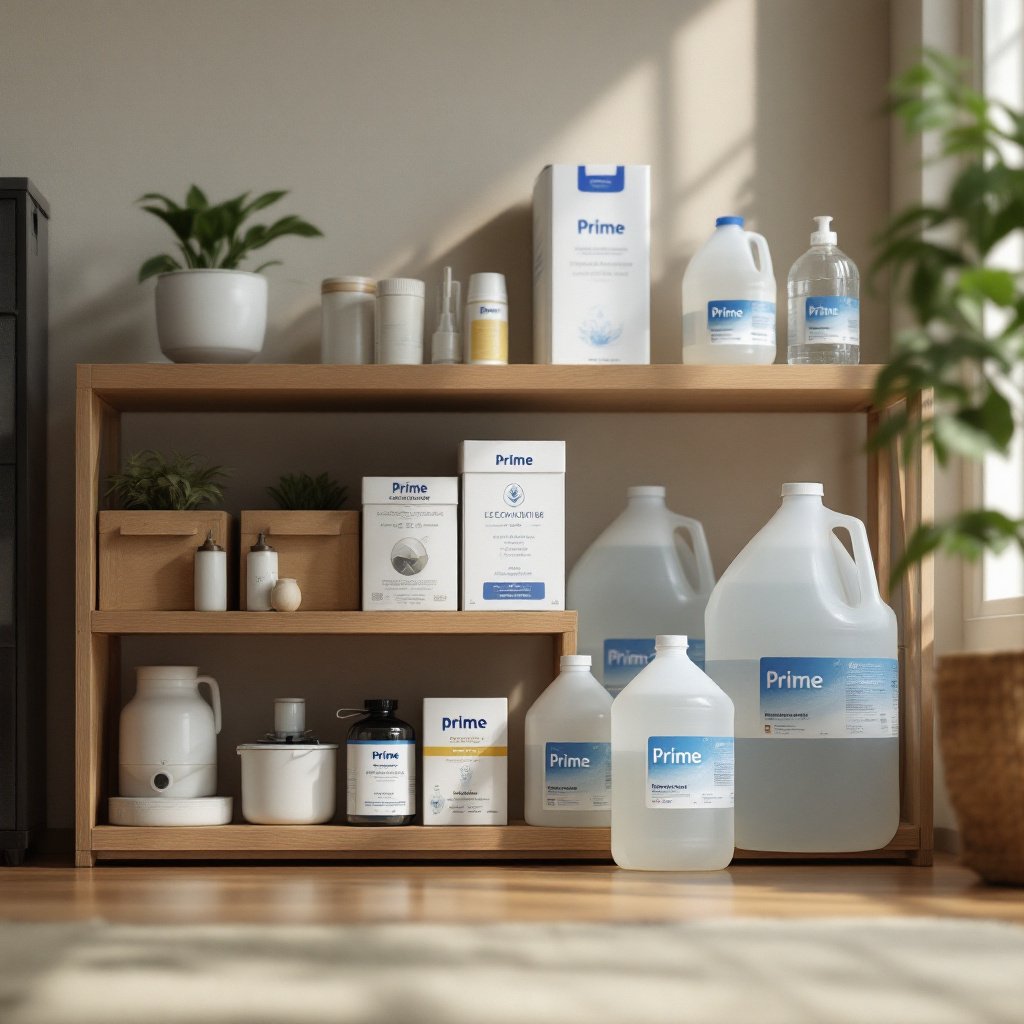
That night convinced me to keep a stocked emergency shelf under every tank. You never think you’ll need it until you’re elbow-deep in water at 11 PM, praying your fish hang on.
What sits on my shelf now:
- Seachem Prime
- API Ammo-Lock
- Liquid test kit
- Spare heater
- Dechlorinated water ready in jugs
- Extra air pump for emergencies
Want to know how to lower ammonia levels in an aquarium quickly? This protocol is the fastest, most reliable method I’ve ever used. It saved my fish that night, and it’s saved several readers since. Treat it like a fire drill. Practice it, prep for it, and you’ll never panic the way I did.
For follow-up reading, try nitrogen cycle basics, beginner aquascape setup, or aquarium troubleshooting for new keepers.
Your fish can survive an ammonia emergency. You just need a plan. Now you’ve got one.