Finnex vs. Fluval LED Lights: A 90-Day Planted Tank Showdown
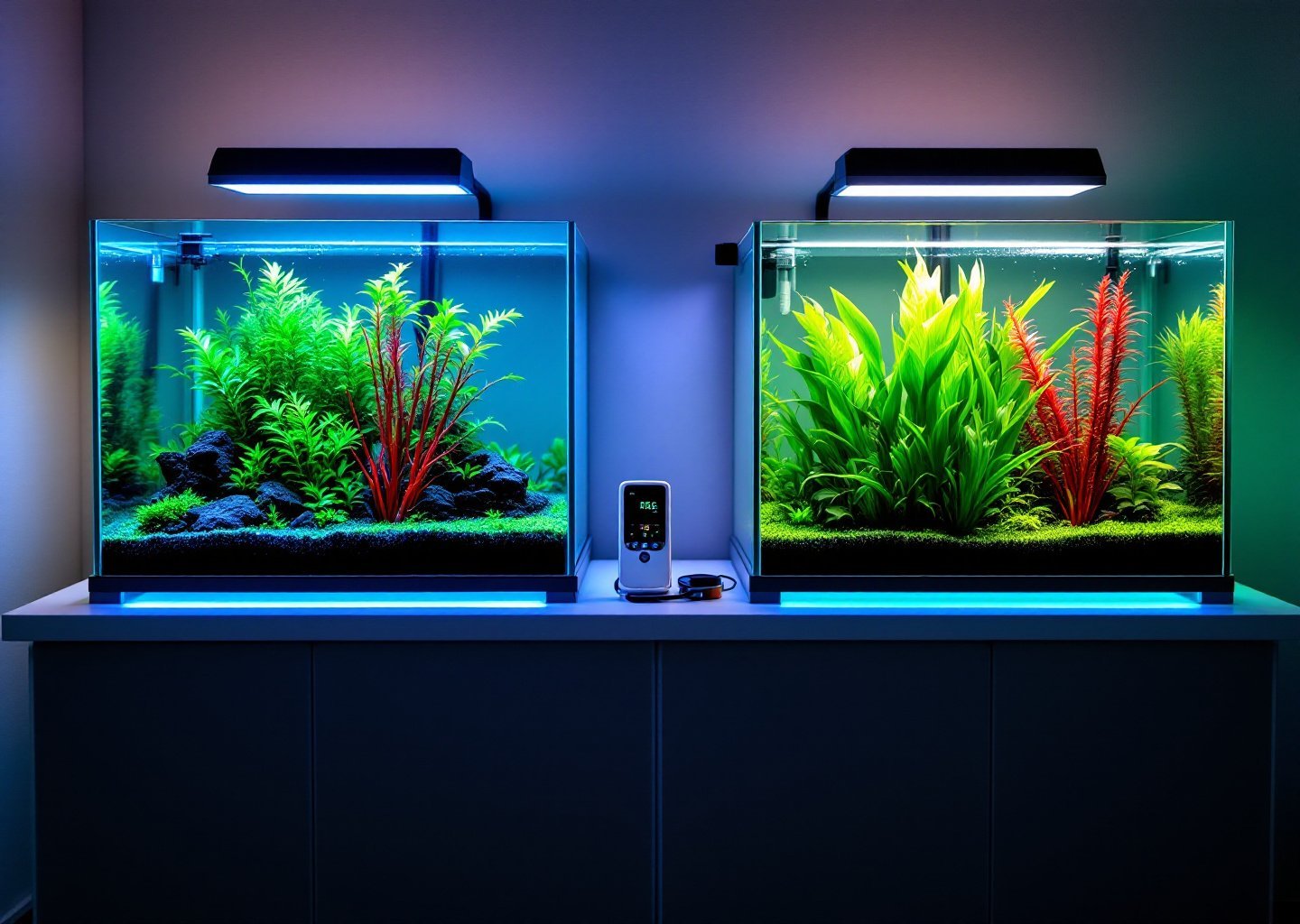
I’ve stared at enough spec sheets to make my eyes cross. Manufacturers love throwing around impressive-sounding numbers, but here’s what three years of killing plants (and eventually not killing them) has taught me: those numbers rarely translate to your actual tank. So when I decided to settle the Finnex vs. Fluval LED lights for planted tanks debate once and for all, I did what any slightly obsessive hobbyist would do. I bought both lights, set up identical tanks, borrowed a PAR meter from my local aquarium club, and documented everything for several months.
Let’s be real. When you’re comparing the Fluval Plant 3.0 vs. Finnex 24/7 planted tank lighting, you’ll find a hundred forum threads with passionate opinions and exactly zero controlled comparisons. Everyone’s tank is different. Lighting height varies. Substrates differ. It’s chaos.
That’s why I committed to this test. Not because I’m some professional scientist (I’m a graphic designer who got way too into fish tanks), but because I was tired of guessing. My first betta, Gerald, died in an uncycled tank back in the day. Wasn’t about to lose another round of expensive carpet plants to the wrong light choice.
My goal was simple: give you actual data so you can skip the trial-and-error phase I went through.
The Testing Setup: Tank Parameters and Methodology
This comparison ran on two identical 10-gallon rimless tanks sitting side by side on the same stand. Same room, same ambient light exposure, same everything that I could control.
The constants:
- Fluval Stratum substrate in both
- Pressurized CO2 (drop checker lime green)
- EI dosing, identical schedule
- Consistent temperature
- No fish during testing (just pest snails that hitchhiked in)
The plant selection:
- Monte Carlo for carpet coverage
- Rotala rotundifolia for stem growth rates
- Alternanthera reineckii for red plant coloring response
- Anubias nana petite as a low-light control
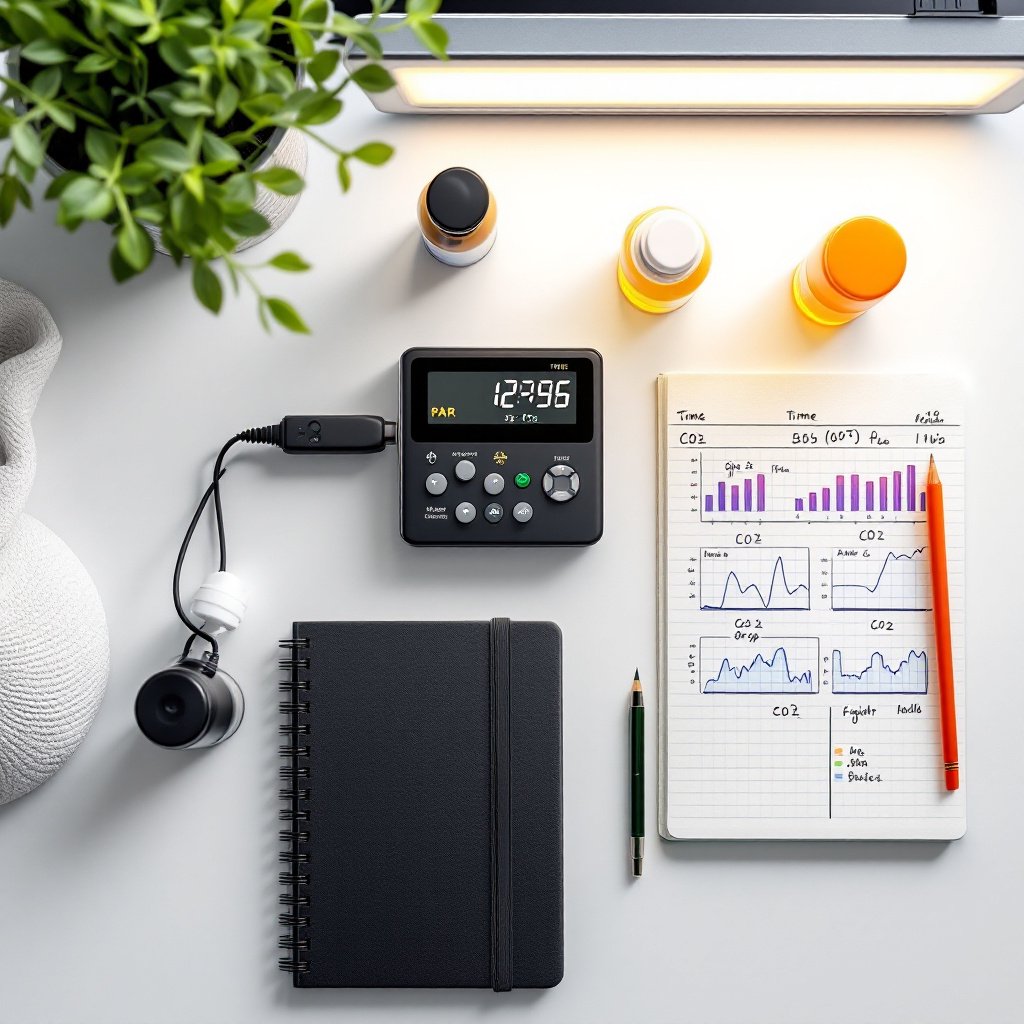
PAR readings happened weekly using a Seneye PAR meter at three depths: 6 inches, 12 inches, and 18 inches from the light source. Photos happened every two weeks under identical white lighting for accurate comparison.
One tank got the Fluval Plant Spectrum 3.0. Its neighbor got the Finnex Planted+ 24/7 HLC. Both lights were the 20-inch models appropriate for these tanks.
PAR Values Head-to-Head: The Numbers That Actually Matter
The PAR readings didn’t match what I expected from the specs. This Finnex Fluval side-by-side test revealed some surprises that the marketing materials definitely don’t mention.
Fluval Plant 3.0 at 100% intensity (my measurements):
- 6 inches: ~310 PAR
- 12 inches: ~90 PAR
- 18 inches: ~45 PAR
Finnex Planted+ 24/7 HLC at 100% intensity (my measurements):
- 6 inches: ~280 PAR
- 12 inches: ~70 PAR
- 18 inches: ~30 PAR
Your mileage will vary. PAR readings depend on your meter, tank conditions, all of it. Neither manufacturer publishes comprehensive official PAR charts for all distances, and third-party measurements show varying results. These are the readings I got with my specific setup.
Fluval won the raw power contest in my testing. But honestly, who runs these lights at 100%? That’s a one-way ticket to algae city unless you’ve got serious CO2 and ferts dialed in.
What surprised me was the light spread. Finnex distributed PAR more evenly across the tank footprint, while Fluval concentrated intensity directly below the LEDs. My Fluval tank needed more careful plant placement to avoid hot spots.
For anyone wondering about the Finnex Stingray vs. Fluval Plant Spectrum comparison, the Stingray sits much lower on the PAR scale. It’s designed as a low-tech option and plays in a different league than these higher-output models.
90-Day Growth Results: The Plants Tell the Real Story
Numbers are great, but what about actual growth? This is where the best LED aquarium light for high-tech planted tank debate gets interesting.
Monte Carlo Carpet:
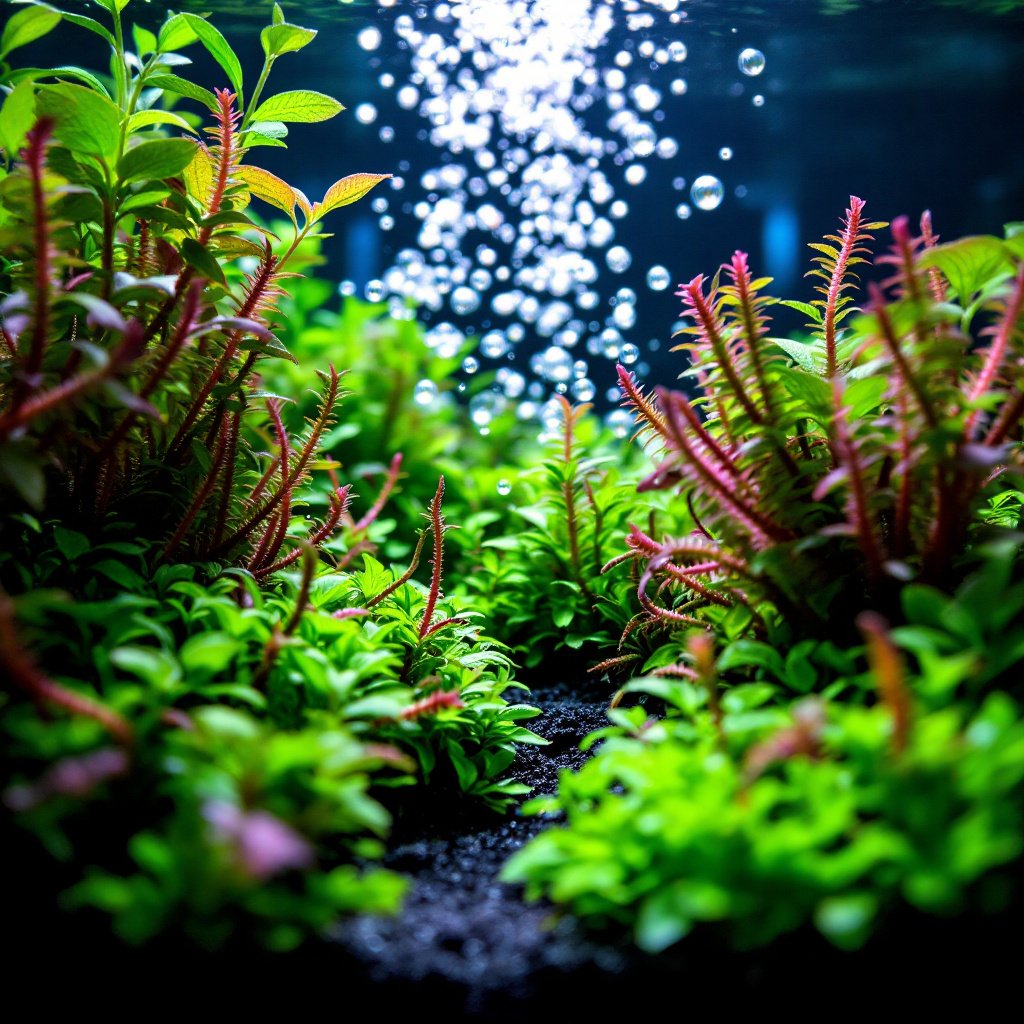
My Fluval tank achieved full carpet coverage noticeably faster, roughly two weeks sooner by my estimate. Healthy growth showed up in both tanks, but Fluval’s higher PAR at substrate level clearly accelerated the horizontal spreading I was hoping for. Best light settings for carpet plants with Finnex and Fluval? Eventually I settled on 75% on the Fluval and 90% on the Finnex to get comparable results.
Rotala Growth Rates:
Weekly measurements revealed that the Fluval tank produced slightly faster growth, roughly 15–20% more stem length per week compared to the Finnex. Not a huge difference, but noticeable. Internode spacing stayed tight on both, meaning neither light was stretching the plants.
The Red Plant Test:
But the red plants told a different story. My Alternanthera reineckii developed deeper, more saturated reds under the Finnex. Something about the spectrum, possibly more red wavelengths than the Fluval includes, though I wasn’t able to measure this directly. If you’re chasing those Instagram-worthy red plants, this matters.
guide to growing red aquarium plants
Dialing In Settings: My Exact Dimming Schedules
After months of tweaking, here are the Finnex and Fluval dimming settings for balanced growth that worked for me.
High-Tech Tank (CO2 injected, EI dosing):
Fluval Plant 3.0:
– Ramp up: 10 a.m. to 11 a.m.
– Peak (70%): 11 a.m. to 5 p.m.
– Ramp down: 5 p.m. to 6 p.m.
– Total photoperiod: 8 hours
Finnex 24/7 HLC:
– Ramp up: 10 a.m. to 11 a.m.
– Peak (85%): 11 a.m. to 5 p.m.
– Ramp down: 5 p.m. to 6 p.m.
– Total photoperiod: 8 hours
Low-Tech Tank (no CO2, root tabs only):
For my bedroom nano tank that doesn’t get CO2, the Fluval runs at just 40% with a 7-hour photoperiod. Finnex sits at 55% for the same duration. Healthy growth shows up on Java fern, anubias, and cryptocoryne without triggering algae explosions.
So, which is better: Finnex Planted+ or Fluval Plant 3.0? Neither wins outright. It depends what you’re growing. High-tech with demanding plants? Fluval edges ahead. Low-tech where you want gentle, even coverage? Finnex handles it beautifully.
The Real Cost Breakdown: Beyond the Purchase Price
Here’s where my design brain kicks in. Long-term value matters more than sticker price.
Purchase Price (20-inch models):
Prices vary by retailer and change frequently, but at the time of my purchase, the Fluval Plant 3.0 was slightly more expensive than the Finnex Planted+ 24/7 HLC. Check current prices before buying.
Energy Consumption:
Similar power consumption at my settings. Really, the difference was minimal and would only amount to a few dollars per year.
Build Quality:
Fluval feels more premium. Metal end caps, cleaner app interface, more intuitive controls. Finnex’s plastic construction feels adequate but not luxurious. After month two, my Finnex developed a slight rattle, though it hasn’t affected performance.
Long-Term Value:
Finnex wins on pure economics due to the lower purchase price. But if Fluval lasts longer (which the build quality suggests it might), the math could shift over time.
aquarium equipment maintenance guide
Which Light Wins for Your Planted Tank?
After extensive testing, here’s my honest take on which LED light is better for growing aquarium plants:
Choose the Fluval Plant 3.0 if:
- You’re running a high-tech setup with CO2
- Carpet plants are your priority
- You want premium build quality and a polished app
- Budget isn’t your primary concern
Choose the Finnex Planted+ 24/7 HLC if:
- Red plants are your focus
- You want better value per dollar
- Your tank needs even light distribution
- You’re comfortable with slightly lower peak output
Quick Reference Chart:
| Feature | Fluval Plant 3.0 | Finnex 24/7 HLC |
|---|---|---|
| Peak PAR at 12″ | Higher (my test) | Lower (my test) |
| Carpet Growth Speed | Faster | Moderate |
| Red Plant Coloring | Good | Excellent |
| Build Quality | Premium | Adequate |
| Price | Higher | Lower |
| App Control | Excellent | Good |
Look, your anubias doesn’t need what your Monte Carlo needs. PAR requirements vary wildly by species. Low-light plants like anubias and Java fern may thrive at 15–30 PAR. Medium-light plants do well in the 30–50 PAR range. High-light demanding plants and carpeting species may need 50–100+ PAR at substrate level. Can both lights achieve these ranges? Easily. Your choice comes down to priorities.
Fluval stayed on my display tank while Finnex moved to my bedroom setup. Honestly, both lights have earned permanent spots in my apartment’s growing collection of tanks. Now I just need to convince my partner that we definitely have room for one more 5-gallon. Maybe next to the bookshelf?