API Master Test Kit Alternatives: A Color-Blind Aquarist’s Guide to Actually Readable Water Testing
My first time realizing I’d misread an ammonia test by two whole shades, I literally sat on the floor next to my 10-gallon tank and groaned. My ram fry had been acting weird for days, and I kept telling myself the API chart looked “kind of yellow.” Spoiler: it wasn’t. It was green. Very, very green. That mix-up cost me a heartbreaking number of fish and a full week of emergency water changes. And honestly? That moment pushed me to hunt down API Master Test Kit alternatives that someone like me, someone who struggles with color differentiation in low light, could actually use with confidence.
I’ve since tested a whole lineup of options, from cheap strips to serious lab-style titration kits. In this guide, I’m sharing what I wish I’d known from the start: how to figure out what type of testing method fits your brain, your budget, and your tanks.
Ever squinted at API’s color cards and wondered why ammonia yellow looks suspiciously like nitrate yellow? Yeah, you’re definitely not alone. Here’s the thing: the issue isn’t that API’s kit is inaccurate. It’s that it isn’t equally readable for everyone. In this article, you’ll learn:
- What the real problem is with the API kit
- How liquid, strip, and digital testing actually compare
- What alternatives exist to the API Master Test Kit that genuinely work
- My hands-on thoughts after trying seven different brands
- Which options I’d recommend for accuracy, ease of use, and planted tanks
- Techniques that make any test kit more reliable
At the end, I’ll break down my current testing workflow and give you a simple decision flowchart you can follow.
Why the API Master Test Kit Frustrates So Many Aquarists (Hint: Accuracy Isn’t the Issue)
Let me be clear: API’s reagents hold up fine for most aquarists. I still recommend API to beginners when budget’s tight. But the problem? It’s all in the presentation. Those color cards rely on subtle shade shifts that become muddy under warm indoor lighting. And as someone with mild red-green color blindness, certain comparisons feel like a trick question.
A few things that make the reading process rough:
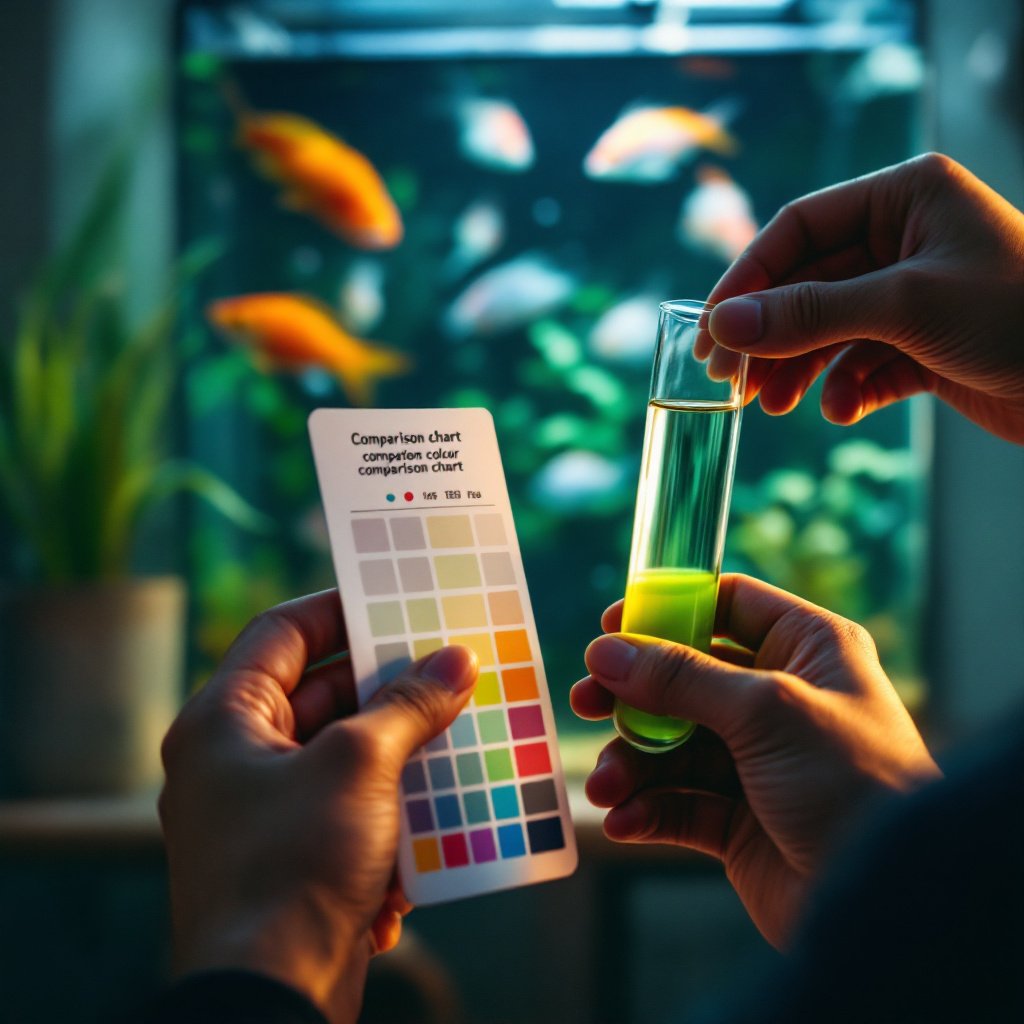
- Shifting backgrounds, especially when you hold the tube over the card
- Colors printed too close together
- Yellow, orange, and certain greens looking nearly identical
- Tanks that need quick decisions, not guesswork
I remember sitting on my living room rug next to my betta Gerald’s tiny 2.5-gallon tank (may he rest in peace, victim of uncycled-tank Sophie). I kept comparing the card to the tube and turning the tube sideways, hoping the angle would somehow help. It didn’t.
Sound familiar? Your reading skills probably aren’t the problem. It’s the design.
Liquid vs. Strip vs. Digital: An Honest Breakdown for Different Fishkeepers
No single perfect method exists here. Each type has a distinct vibe and fits different personalities.
Liquid Test Kits
Good for: Accuracy, long-term tracking, planted tanks
Bad for: Noisy color charts, messy people like me
Pros:
– More precise than strips
– Better for nitrite and nitrate monitoring
Cons:
– Color matching can be rough
– You’ll need strong lighting
– Takes time
– Reagents can degrade once opened
Strip Test Kits
Good for: Casual tanks, apartment keepers, fast checks
Bad for: Fine-tuning parameters
Pros:
– Quick
– Cheap
– No mess
Cons:
– Less precise
– Color shift happens as the strip dries
– Hard to read under warm lights
That said, some strip brands have surprisingly readable pads, and I’m including those in the alternatives list.
Digital Testers
Good for: People who hate guessing
Bad for: Wallets
Pros:
– Objective readings
– Easy for color-blind users
– Great for consistency
Cons:
– Sensors can drift over time
– Initial cost is high
– Some require calibration solutions
Think of digital options as the professional-grade aquarium water test kits of the hobbyist world, with price tags to match (expect $50-80 per parameter). But if you’re someone who freezes during subtle color matching, digital might be worth every penny.
7 API Alternatives Tested: Salifert, Seachem, Tetra, NT Labs, and More
Here’s everything I tried. No brand sponsored this, and I bought or borrowed every single kit.
1. Salifert
Big name for saltwater testing, but they’ve got several freshwater-friendly kits too.
Why it works for color-blind aquarists:
– Uses titration for tests like KH, calcium, and magnesium
– You’re reading turning points, not shades
In my API Master Test Kit vs. Salifert comparison, Salifert felt miles more readable. Ammonia and nitrate tests still use colorimetric comparison methods, but the KH test? You just count drops until the color shifts clearly. Much easier.
2. Seachem MultiTest Line
Honestly surprised me with these. What caught my attention was the plastic viewing window that filters the sample, cutting out background noise that throws off readings with other kits.
Pros:
– High accuracy
– Cards are way better designed
– Nicer color contrast
Cons:
– Slight learning curve
– Reagents are small and easy to lose
Want accurate fish tank water testing options without going full digital? Definitely worth checking out.
3. NT Labs Aquarium Lab
A UK brand that’s easy to find online now.
Pros:
– Big cards
– Clear separation between shades
– Good ammonia readability
Cons:
– Slightly pricier than API
– Cards still work best in daylight
4. Tetra EasyStrips
Yes, strips. Yes, I’m recommending them. Why? Because they’re actually readable.
Look, these aren’t lab-grade. But for people who need quick checks, they make a nice low-stress option. Colors on the pads are separated enough to avoid confusion.
5. JBL ProAqua Test Kits
Harder to find in the US, but they have excellent design. Colors feel intentional, not muddy.
Titration options plus color blocks that are boldly distinct. What’s not to love?
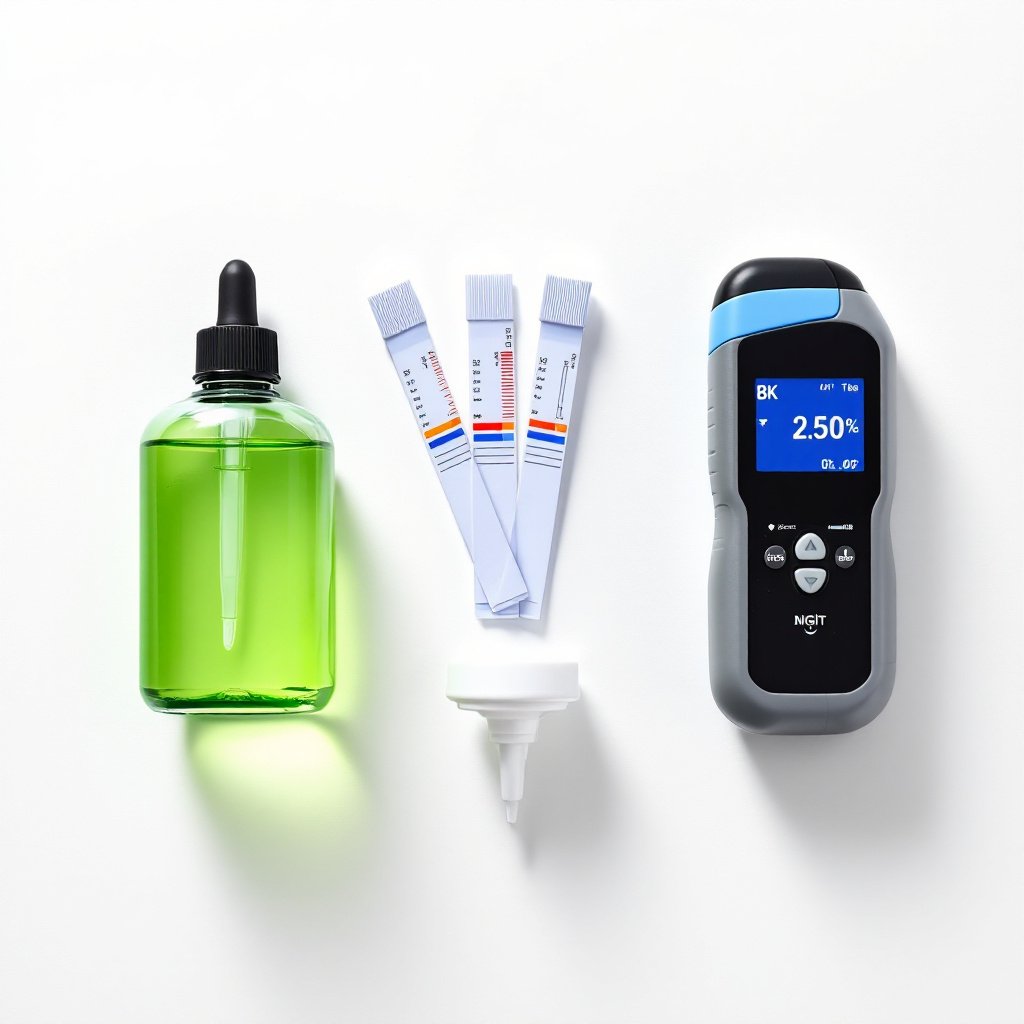
6. Hanna Checkers (Digital)
My color-matching problem? Solved entirely with these.
Pros:
– No color reading whatsoever
– Digital readout
– High precision
Cons:
– Price
– You’ll need individual units for each parameter
I keep the phosphate checker next to my high-tech nano because I’m controlling algae carefully. Worth every dollar.
7. Test Strips by Aquarium Co-Op
Simple, fast, generous color spacing. Hunting for cheaper alternatives to the API test kit? A reliable pick for casual weekly checks.
Best Picks by Category: Budget, Accuracy, Ease of Use, Planted Tanks
Best Budget Option
Tetra EasyStrips or Aquarium Co-Op strips
Just need to know if something’s trending wrong? Strips do the job. They’re also great for quick apartment-tank checks when space and time are tight.
Best Accuracy
Salifert or Hanna Checkers
Salifert gives you accuracy without the digital price tag. Hanna gives you lab-level consistency. Pick your poison.
Best Ease of Use
NT Labs or Seachem
Both offer readable charts and better graphic design than API. As a former graphic design major, I appreciate thoughtful color separation so much, you have no idea.
Best for Planted Tanks
Hanna Phosphate Checker + Salifert Nitrate Kit
High-tech tanks need tight parameter control. Both kits helped me stabilize my CO2-heavy scapes and keep my carpeting plants pearly and healthy.
Pro Tips: Tools and Techniques That Make Any Test Kit More Reliable
Some of these tricks made a bigger difference than I expected. Trust me on them.
- Use natural daylight if possible.
Warm LEDs distort yellows and greens something fierce. - Photograph the tube next to the color card.
Contrast is often clearer in a picture. Weird, but it works. - Hold the tube against a white background, not the printed card.
Isolating the color makes reading easier. - Keep reagents fresh.
Old bottles cause weird results. Don’t ask how I know. - Label the caps with colored stickers.
Stops you from mixing bottles during multi-step tests. - Test at the same time each week.
Parameters fluctuate daily, and consistency smooths the noise. - For strips, read them immediately.
Pad colors shift fast as they dry.
Fit these methods into any workflow, whether you’re using the most reliable water testing methods for aquariums or just casual strips.
After months of testing, retrying, and accepting that I’m never going to be someone who sees API’s yellow cards clearly, I’ve settled on a hybrid system:
- NT Labs for routine weekly tests
- Hanna Checkers for phosphate and nitrate in planted tanks
- Tetra strips for quick morning spot checks
Is it cheap? Nope. But it’s consistent and stress-free. And that matters more than anything, especially when the difference between “kind of green” and “definitely green” can change the fate of a whole tank.
Below is the decision flowchart I wish I’d had when I first asked myself whether the API Master Test Kit was worth it or whether alternatives made more sense.
Quick Decision Flow
- Hate color charts? Go digital.
- Need budget-friendly? Strips are your friend.
- Want reliable and still affordable? Salifert.
- Planted tank? Digital for phosphate, no question.
- Need clear cards? NT Labs or Seachem.
Whichever option you choose, the most important thing is picking a kit you’ll actually use without second-guessing yourself. Your eyeballs don’t mesh well with API’s design? I promise there are enough API Master Test Kit alternatives out there to make testing feel like a quick habit, not a guessing game.