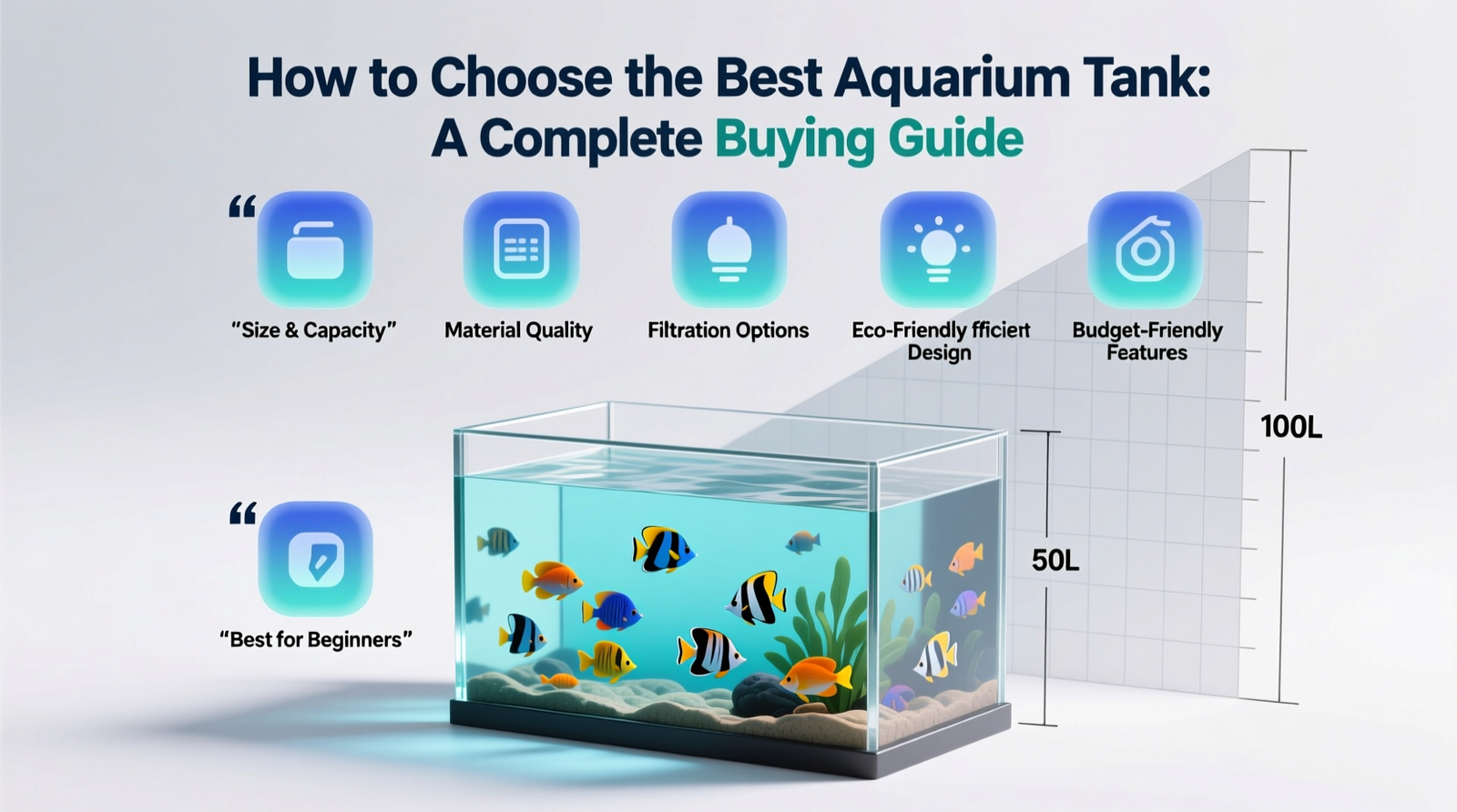
Proper tank size keeps water stable, reduces stress, and prevents common fish diseases.
I’ve kept and studied fish for years, and I can say with confidence why is choosing an appropriately sized aquarium important for fish health. Tank size shapes water chemistry, fish behavior, growth, and lifespan. Read on for clear, friendly guidance, practical rules, and real-life tips to help you pick the right aquarium for healthy fish.
Why is choosing an appropriately sized aquarium important for fish health
Choosing the right tank size matters more than many new keepers think. A proper tank gives fish room to swim. It helps keep water stable. It lowers disease risk and improves behavior.
Key reasons why is choosing an appropriately sized aquarium important for fish health:
- Water stability improves in larger water volumes. Small changes matter less.
- Toxic waste is diluted faster in a larger tank. Filter systems work better.
- Fish get proper space to move and grow. Less stress means better immunity.
- Social and territorial needs can be met more easily.
Water chemistry and volume are linked. In small tanks, ammonia and nitrite spike fast. In larger tanks, the same waste causes smaller shifts. This explains why is choosing an appropriately sized aquarium important for fish health in a clear, science-based way.
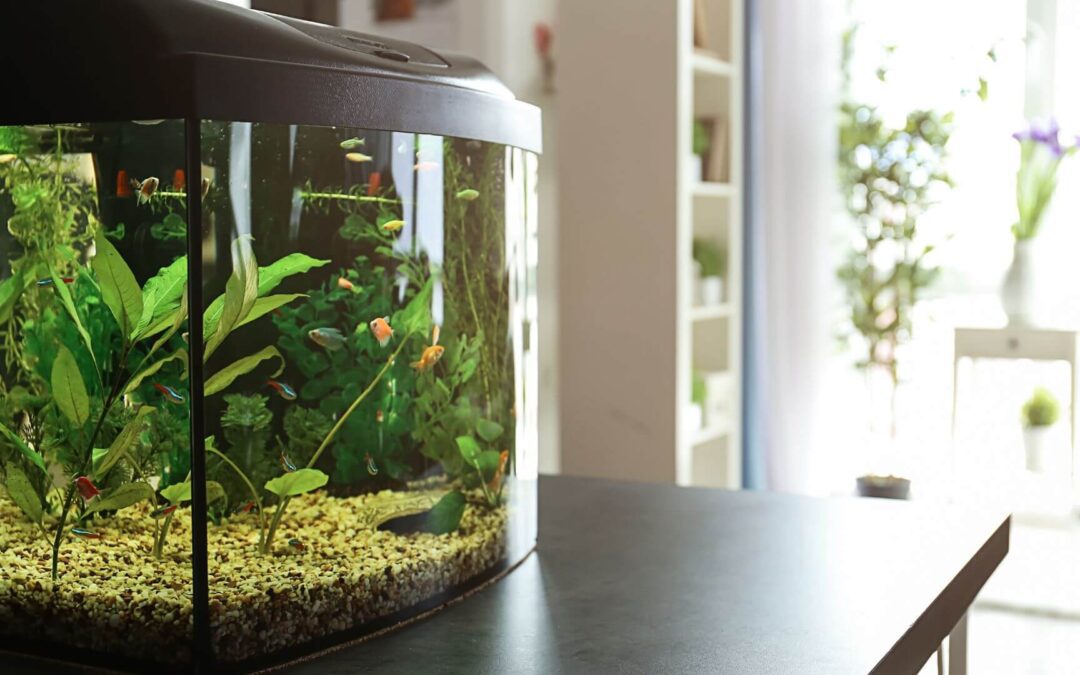
How to pick the right tank size
Start with the fish you want. Know the full adult size of each species. Use that size to plan space and filtration.
Practical steps:
- Check the adult length of each species. Base your numbers on adult size, not baby size.
- Apply a basic rule of thumb. Consider one rule as a starting point, not a strict law.
- Use a stocking calculator. These consider adult size, activity level, and filtration.
- Factor swim space and territory. Some fish need open horizontal space. Some need vertical room.
Common sizing guides have limits. For example, a small school of tetras needs more water per fish than a single betta. This is why is choosing an appropriately sized aquarium important for fish health—each species has unique needs. Always prioritize adult size and natural behavior when you choose a tank.
How tank size affects water quality and chemistry
Larger tanks resist sudden chemical swings. Small tanks change quickly after a feeding or a missed water change.
Important points:
- Ammonia and nitrite spikes happen faster in small volumes.
- pH shifts can be sudden in small tanks. Stability protects gill function.
- Temperature stays steady longer in larger tanks.
- Beneficial bacteria have more space and more stable conditions.
Think of your tank as a small lake. Lakes change slowly. Tiny puddles change fast. That simple image shows why is choosing an appropriately sized aquarium important for fish health. It keeps conditions predictable and safe.
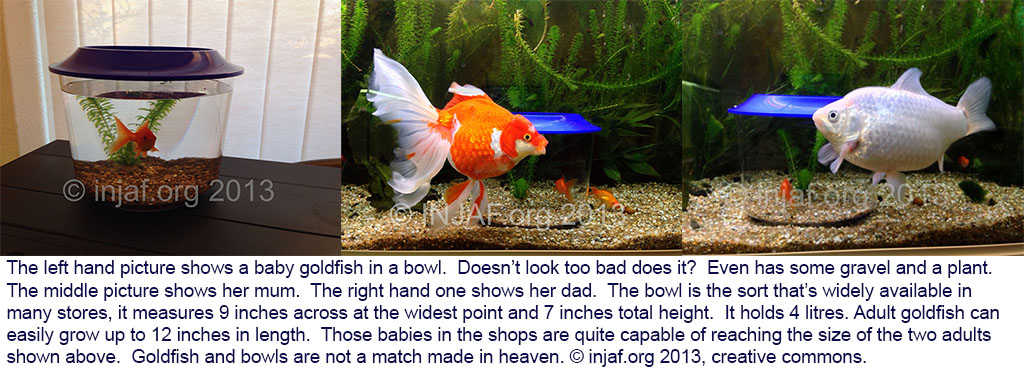
Behavior, growth, and mental health of fish
Fish need space to explore. They need room to hide and territory to claim. Overcrowded tanks raise stress levels.
Behavioral effects of poor sizing:
- Aggression rises when space is tight.
- Growth can be stunted in cramped tanks.
- Fish may show constant hiding or frantic swimming.
- Chronic stress lowers disease resistance.
From personal experience, a shy tetra became bold when moved from a 5-gallon to a 20-gallon. It started schooling and breeding. This real change shows why is choosing an appropriately sized aquarium important for fish health in practical terms.

Common mistakes and their consequences
Many hobbyists choose a tank that looks nice but is too small for the fish they want. Others ignore adult size and buy lots of fish at once.
Mistakes to avoid:
- Buying fish by size at the pet store rather than adult size.
- Relying only on the “one inch per gallon” rule without context.
- Ignoring filtration, planting, and hiding spaces.
- Keeping species with different space needs together.
Consequences are serious. Deformed growth, frequent disease, early death, and constant stress all follow poor sizing. That is another clear reason why is choosing an appropriately sized aquarium important for fish health.

Practical tank examples and stocking ideas
Here are simple, real-world setups for popular choices.
Betta setup:
- Minimum 5 gallons for one betta. Add a sponge filter and plants.
Community nano: - Small tetras or rasboras need at least 10–20 gallons for a small school.
Goldfish: - Fancy goldfish: minimum 20 gallons for one, plus 10 gallons per extra fish.
Cichlids: - African cichlids often need 55 gallons or more due to activity and size.
These examples show how space needs vary. Use them as a guide to understand why is choosing an appropriately sized aquarium important for fish health in each case.
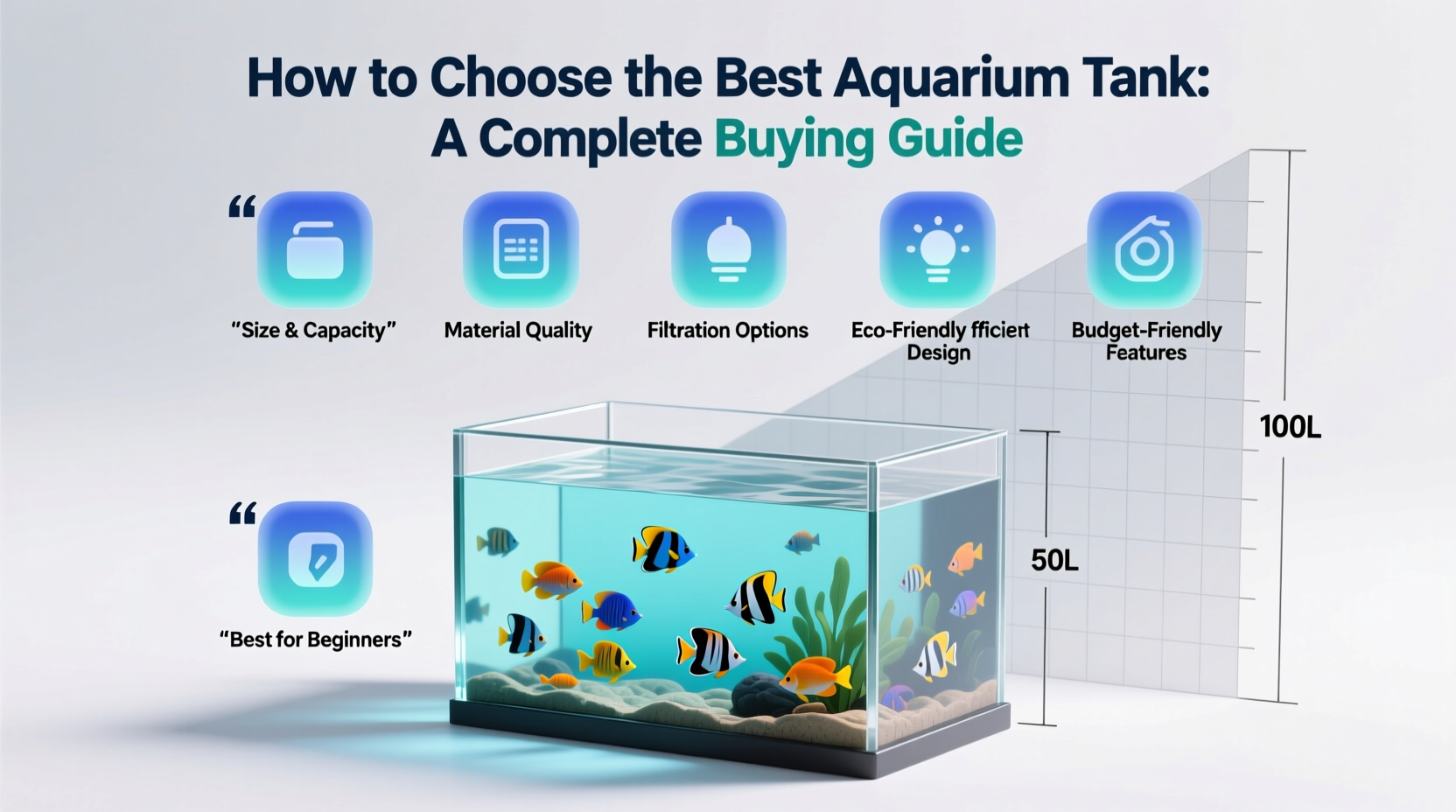
Filtration, maintenance, and cost trade-offs
Bigger tanks cost more upfront. They save time and trouble long term. Filters work more efficiently in larger volumes.
Maintenance facts:
- Water changes are less frequent by percent in larger tanks.
- Filtration can be gentler and still effective.
- Heating costs may be slightly higher, but temperature is more stable.
- A well-sized tank reduces emergency interventions.
Investing in the right size saves on meds, lost fish, and stress. This economic reality supports why is choosing an appropriately sized aquarium important for fish health and for your wallet.

Personal lessons and tips from my experience
I once bought a 10-gallon for a growing community. I added many lively fish. Water crashed twice in the first month. After downsizing the school and moving some fish to a larger 30-gallon, the tank stabilized. Fish color returned and breeding began.
Practical tips I learned:
- Plan for adult size, not cute baby size.
- When unsure, go one size up.
- Use live plants to boost stability in both small and large tanks.
- Keep a log of water tests after adding new fish.
These simple choices helped me avoid repeat losses. They show why is choosing an appropriately sized aquarium important for fish health from hands-on experience.
Limitations and things to watch
No single rule fits every situation. Biological filters, species differences, and tank decor change needs.
Be transparent about limits:
- Stocking rules are guides, not strict laws.
- Some hardy species tolerate small tanks, but survival is not the same as thriving.
- Water testing and observation are always required.
When in doubt, consult experts and test frequently. That cautious approach underlines why is choosing an appropriately sized aquarium important for fish health and long-term success.
Frequently Asked Questions of why is choosing an appropriately sized aquarium important for fish health
What happens if my tank is too small?
A small tank causes fast water chemistry swings. Fish show stress, disease, stunted growth, and early death.
Is the "one inch per gallon" rule reliable?
It is a rough starter guideline. It ignores adult size, fish body shape, and behavior, so use it cautiously.
How do I know the adult size of a fish?
Check species care guides and catalogs. Ask experienced keepers and verify with multiple sources.
Can filtration fix a too-small tank?
Good filtration helps but cannot fully compensate for lack of space. Water volume still matters for stability.
How often should I test water in a small tank?
Test at least twice a week when new or after changes. Frequent checks catch problems early.
Do plants reduce the need for a larger tank?
Plants help stability and oxygen, but they do not replace space needs. Plants are a benefit, not a substitute.
Conclusion
Choosing the right tank size protects water quality, reduces stress, and supports natural behavior. Small mistakes in tank sizing lead to big problems for fish. Aim higher than the minimum. Plan for adult size. Test your water and observe your fish often.
Take action today: review your current setup, check adult sizes of your fish, and consider upgrading if needed. If you found this useful, subscribe for more guides, share your tank story, or ask a question in the comments.