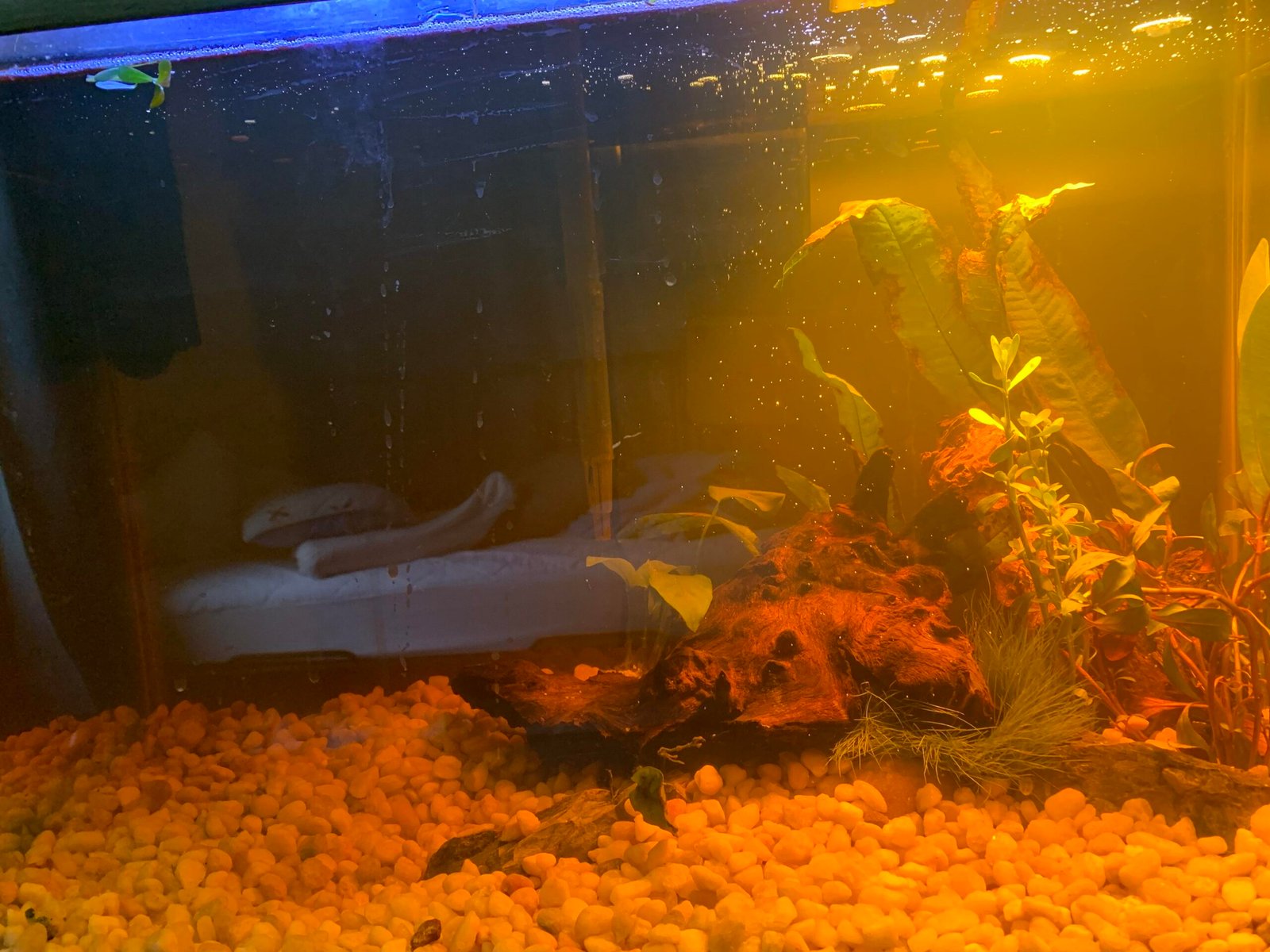
Brown algae, or diatoms, thrive due to excess nutrients, low light, or new tank setup. If your aquarium's pristine glass suddenly takes on a brownish hue, don’t panic. This is a common issue many aquarium enthusiasts face. Understanding why your aquarium glass is turning brown can help you tackle the problem effectively. Let's dive deep into the reasons behind the formation of this unsightly growth and explore practical solutions to maintain your aquarium's beauty.
Causes of Brown Algae on Aquarium Glass
Nutrient Overload
Excess nutrients like nitrates and phosphates are a primary cause of brown algae. These nutrients generally accumulate from:
- Overfeeding fish
- Decaying plant matter
- Inadequate filtration
Low Light Conditions
While most algae thrive in bright light, brown algae, or diatoms, prefer low-light environments. If your aquarium is in a dimly lit area or receives minimal light, it might promote brown algae growth.
New Tank Syndrome
In new aquariums, brown algae are often one of the first and fastest to appear. This happens because a new tank doesn’t have a balanced ecosystem yet, providing a fertile ground for diatoms.
Silicate Presence
Silicates in water, often present in sand or tap water, can lead to brown algae formation. Diatoms use silicate as a building block, so high levels in your water supply may spur their growth.
Weak Circulation
Poor water circulation can cause detritus and organic materials to settle in certain areas, feeding algae. Ensuring efficient water flow can help distribute nutrients evenly, preventing hot spots for algae growth.
How to Remove Brown Algae
Regular Water Changes
Perform frequent water changes to reduce the concentration of nutrients:
- Aim for 25% water change weekly.
- Use a gravel vacuum to remove debris.
Increase Lighting
Introduce brighter lights to your aquarium setup to make it less hospitable to diatoms.
Introduce Algae-Eating Fish or Snails
Certain species can control algae:
- Otocinclus catfish
- Nerite snails
- Amano shrimp
Check Silicate Levels
If silicate is the culprit:
- Use silicate-absorbing media in your filter.
- Opt for distilled or reverse osmosis water to minimize silicate introduction.
Improve Tank Circulation
Enhance water movement with powerheads or adjust filter outlets.
Reduce Overfeeding
- Feed fish only what they'll eat in a few minutes.
- Remove uneaten food promptly.
Preventing Future Brown Algae Growth
Maintain Regular Cleaning
- Clean glass panes weekly with an algae scraper.
- Keep decorations and plants free from debris.
Balance Aquarium Ecosystem
- Test water levels regularly.
- Adjust feeding and lighting based on the results.
Proper Filtration
Ensure your filtration system is suited for your tank size to keep water clean and nutrient levels balanced.
Frequently Asked Questions
What causes brown algae in a new tank?
Brown algae often appear in new tanks due to an imbalance in the ecosystem. Silicates and high nutrient levels further promote their growth.
Are brown algae harmful to fish?
Brown algae are generally not harmful to fish but can be unsightly and indicate water quality issues.
How long does it take for brown algae to go away?
In established tanks, brown algae usually diminish on their own as the ecosystem balances. This process can take a few weeks.
Can I use algae removers?
Chemical algae removers can be effective but may harm sensitive aquatic life. Use them cautiously and preferably as a last resort.
Is it necessary to remove brown algae?
While not dangerous, removing brown algae keeps your tank looking clean and ensures optimal light conditions for other aquatic life.
Conclusion
Understanding why your aquarium glass turns brown is the first step in maintaining a beautiful aquatic environment. By managing light, nutrients, and water quality, you can prevent brown algae from taking over. Take proactive measures and maintain a regular cleaning routine to enjoy a pristine aquarium. For more tips and insights on aquarium care, consider subscribing to our newsletter or sharing your experiences in the comments below.