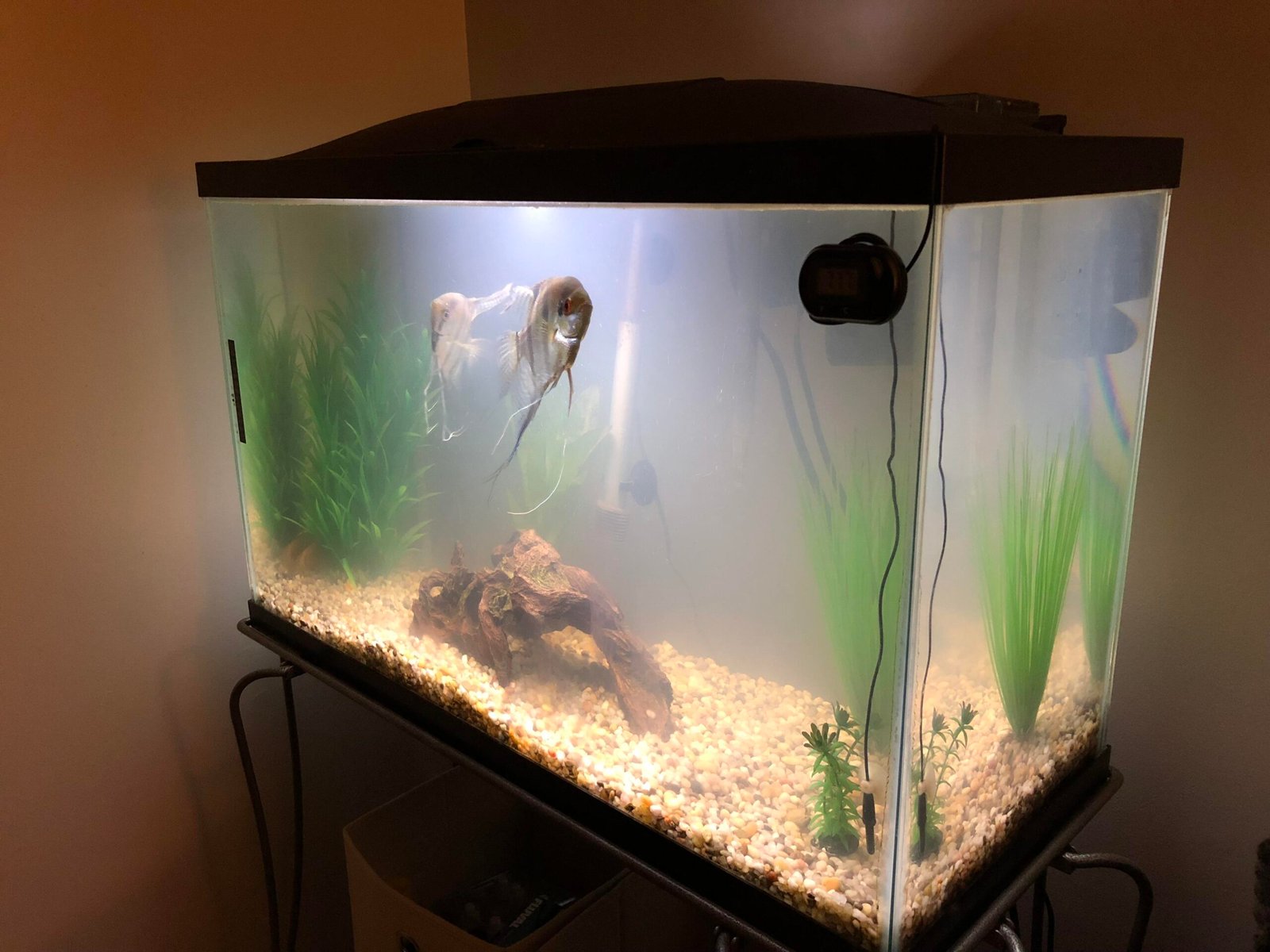
Cloudiness after a water change can stem from disturbed substrate, bacteria blooms, or chemical imbalances. If your aquarium turns cloudy after a water change, you're not alone; it's a common issue for many aquarists. Understanding the causes of this murky situation can help you restore the crystal-clear beauty of your tank. As an experienced aquarium enthusiast, I’ll guide you through the common reasons and effective solutions to tackle this issue.
Understanding the Causes
Disturbed Substrate
One of the main reasons for cloudiness is a disturbed substrate. Gravel or sand particles can become suspended in the water column during a water change. This is more common if you have a fine substrate or if your water-changing method is too aggressive. Over time, these particles can settle, but the initial disturbance is enough to cloud the water.
Bacterial Bloom
A water change can lead to a bacterial bloom, which is another common cause of cloudiness. Beneficial bacteria thrive in aquariums and help in breaking down waste. When you change a large amount of water, it can disrupt these bacteria, leading to a sudden bloom. This often presents as a milky white cloudiness and usually resolves on its own as the bacteria rebalance.
Chemical Imbalances
Changing water can inadvertently lead to chemical imbalances. For example, if the water added is not properly treated, it may introduce chlorine or other unwanted chemicals, which can cause water to turn cloudy. Testing your water parameters regularly is crucial to maintaining balance and preventing chemical-related cloudiness.
Overfeeding and Waste
Overfeeding fish leads to an excess of uneaten food, which breaks down and can contribute to cloudiness. Alongside waste from fish, organic decay can cloud your water, particularly after a water change when bacteria levels are adjusting.
New Aquarium Syndrome
For new tanks, cloudiness after a water change can be part of what's known as "New Tank Syndrome." This situation arises as your tank's ecosystem tries to stabilize. Patience and regular monitoring are key to overcoming this initial instability.
Solving the Cloudiness Problem
Use Proper Water Changing Techniques
- Siphon Slowly: Use a gravel vacuum to carefully and slowly siphon water, preventing substrate disturbance.
- Partial Changes: Opt for partial water changes rather than complete replacements to maintain bacterial balance.
Condition New Water
- Dechlorinate: Always use a water conditioner to neutralize chlorine and chloramines.
- Match Parameters: Ensure that the pH, temperature, and hardness of new water are similar to existing tank conditions.
Avoid Overfeeding
- Feed Sparingly: Offer only what your fish can eat in a few minutes, reducing excess waste.
- Regular Maintenance: Remove uneaten food and clean filters to keep water clear.
Allow Time for Balance
If you experience cloudiness due to bacterial blooms, sometimes the best solution is to let it run its course. The ecosystem often rebalances itself naturally in a few days.
Test Regularly
Invest in a good quality water test kit to frequently check ammonia, nitrite, nitrate, and pH levels. This will help you identify and rectify any imbalances early.
Frequently Asked Questions
Why is my tank cloudy after a water change?
Cloudiness can occur due to disturbed substrate, bacterial imbalances, or chemical changes. It should settle within a few days with proper care.
How can I prevent cloudiness in my aquarium?
Use proper water-changing techniques, condition new water, and avoid overfeeding. Regular maintenance helps in preventing cloudiness.
How often should I change my aquarium water to avoid cloudiness?
For most aquariums, a partial change of 10-20% weekly helps maintain clarity and balance without shocking the system.
Can cloudiness harm my fish?
Brief cloudiness is generally harmless, but prolonged murkiness can stress fish and affect their health. Keep an eye on your tank's parameters and address issues promptly.
Should I clean my filter if the tank is cloudy post-water change?
Cleaning a filter might help if it's clogged, but ensure to rinse it in tank water to preserve beneficial bacteria.
Conclusion
Achieving and maintaining crystal-clear aquarium water is a balance of proper maintenance, patience, and understanding your tank's ecosystem. By using gentle water-changing techniques, regular testing, and mindful feeding, you can keep your underwater world sparkling. Explore deeper into aquarium care by subscribing to our newsletter or leaving a comment below with your experiences. Together, we can cultivate thriving aquatic environments.