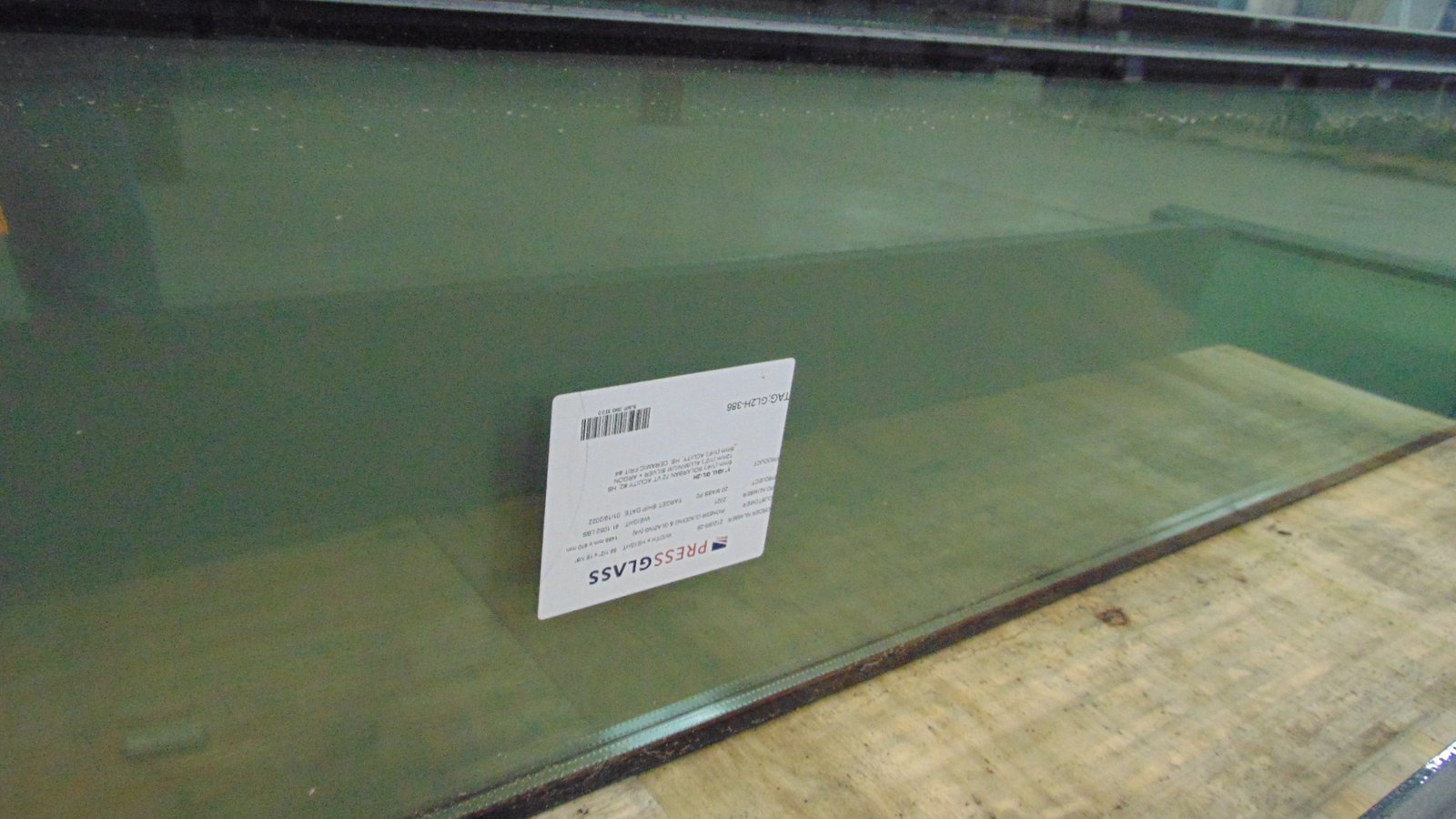
Aquarium glass often appears cloudy due to mineral deposits, algae, or bacterial blooms. If you’ve noticed the once crystal-clear glass of your aquarium turning into a murky mess, you're not alone. Understanding why your aquarium glass becomes cloudy can be frustrating without the right insights. But fear not, we’re here to explore the root causes and provide solutions that’d make your tank sparkle again. Whether you're a beginner or an expert aquarist, this comprehensive guide will demystify the reasons behind cloudy glass and enhance your aquarium-keeping skills.
Common Causes of Cloudy Aquarium Glass
Having an aquarium is a rewarding hobby, but encountering a cloudy glass can be an unwelcome challenge. Several factors can contribute to this problem.
Mineral Deposits
- Hard water: High calcium and magnesium content can lead to a white, chalky residue.
- Evaporation: Leads to concentration of these minerals on the glass surfaces.
Algae Growth
- Excess light: Contributes to faster plant and algae growth.
- Nutrient imbalance: Overfeeding your fish can cause an excess of nutrients, fueling algae blooms.
Bacterial Blooms
- New tanks: Often experience a cloudy phase due to bacterial blooms as the ecosystem stabilizes.
- Overstocking: Too many fish can upset the balance and increase waste.
Improper Cleaning
- Inadequate filtration: Results in suspended particles and organic matter clouding the glass.
- Lack of regular maintenance: Allows buildup of debris and waste, both producing cloudiness.
How to Clear Cloudy Aquarium Glass
Clearing cloudy glass involves addressing the root causes and maintaining a regular cleaning routine.
Mineral Deposits Solution
- Use a magnetic algae scraper to gently remove mineral buildup.
- Consider using a water softener pillow if hard water is persistent.
Combat Algae Growth
- Adjust lighting: Limit light exposure to 8-10 hours a day.
- Introduce algae eaters: Fish like Plecos or snails can naturally control algae growth.
Managing Bacterial Blooms
- Balance your bio-load: Ensure your tank isn’t overpopulated.
- Use a good filter: Ensure it is adequate for your tank size to maintain water quality.
Effective Cleaning Practices
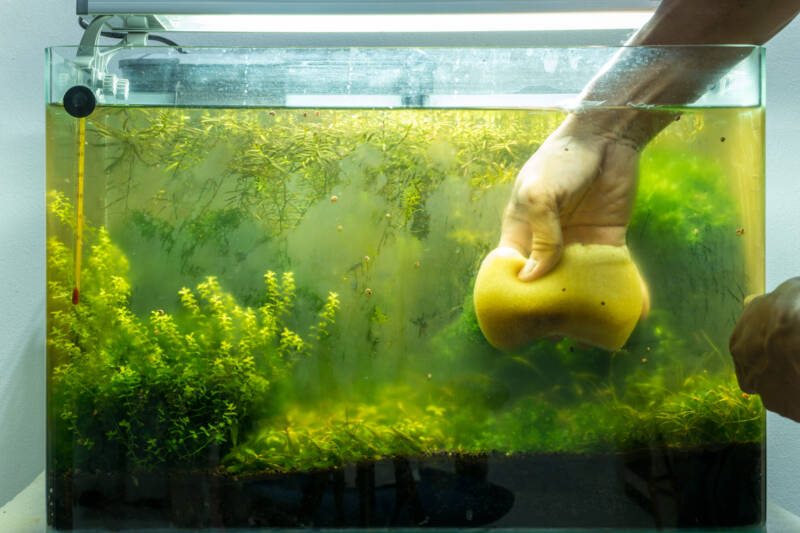
- Clean the glass weekly using non-toxic cleaners.
- Perform partial water changes regularly, replacing 10-15% of the tank's water weekly.
Tips to Prevent Future Cloudiness
Prevention is better than cure, especially with aquariums. Implementing these preventive measures can help maintain clarity.
- Monitor water parameters regularly, keeping pH, ammonia, and nitrate levels in check.
- Avoid overfeeding to prevent excess nutrients.
- Choose plants wisely: Live plants can compete with algae for nutrients, reducing their growth.
- Maintain efficient filtration: Regularly check and clean the filter to ensure proper function.
Frequently Asked Questions of Why is My Aquarium Glass Cloudy
What are the common types of algae causing cloudiness?
Common algae types include green algae, brown algae, and blue-green algae. Each thrives under different conditions, affecting the glass differently.
Can cloudy glass harm my fish?
While cloudy glass itself doesn’t harm fish directly, its underlying causes like high ammonia or nitrite levels can be dangerous.
How often should I clean the aquarium glass?
It's recommended to clean the glass once a week to prevent buildup and maintain visibility.
Do UV sterilizers help with cloudy glass?
Yes, UV sterilizers can effectively reduce bacterial and algal blooms, helping to keep the water clear.
Is cloudy glass more common in new aquariums?
Yes, new tanks often experience a phase known as the “new tank syndrome” where bacterial blooms cause temporary cloudiness.
Conclusion
Achieving a sparkling aquarium isn’t merely about aesthetics; it’s about ensuring a healthy environment for your aquatic friends. By understanding and addressing the causes of cloudy glass, you can cultivate a thriving and clear aquarium. So, dive into regular maintenance, balance, and patience, and watch your underwater world shine.
Feel free to explore more resources and share your thoughts or questions in the comments. Don’t forget to subscribe for more tips and guides on aquarium care!