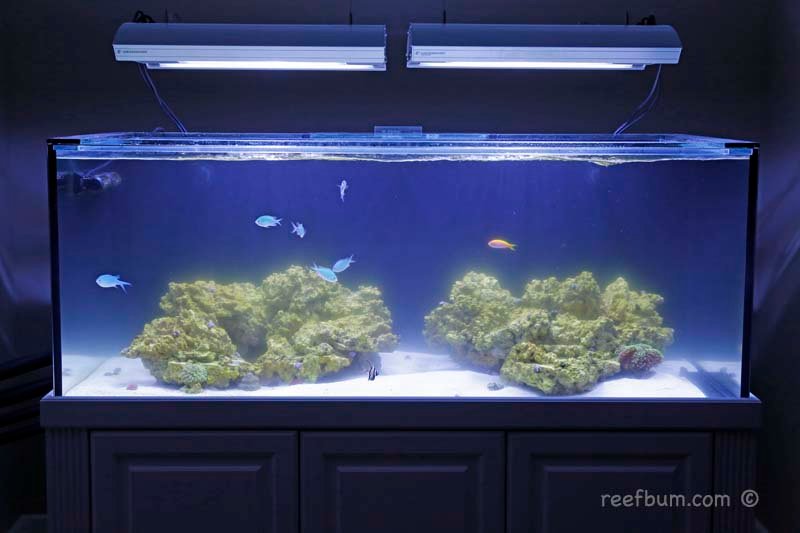
Cloudy saltwater tanks usually come from bacteria blooms, suspended particles, or algae outgrowth.
I’ve kept and repaired many saltwater aquariums, and I know how frustrating a cloudy tank can feel. This article explains why is my saltwater aquarium cloudy, how to diagnose the exact cause, proven fixes, and maintenance habits that stop cloudiness for good. I’ll share simple tests, step-by-step actions, and real-world tips I learned the hard way so you can clear your tank quickly and safely.

Common causes: why is my saltwater aquarium cloudy
Cloudiness in a saltwater tank has a few common roots. Identifying which one applies helps you act fast and avoid harming fish or corals. The main causes are bacterial blooms, detritus and suspended solids, algae blooms, chemical residues from additives, and improper filtration.
Bacterial bloom is the usual suspect when the water looks milky white. It happens when beneficial bacteria multiply rapidly after a new setup, a big water change, or added organics.
Detritus and suspended solids cause gray or brown haze. These come from uneaten food, crushed coral, sand disturbance, or poor mechanical filtration.
Algae blooms create green or tinted cloudiness. They result from excess light and nutrients like nitrate and phosphate.
Why is my saltwater aquarium cloudy appears in many owners’ searches because the visual change is sudden and worrying. Understanding these causes lets you pick the right fix quickly.
How to diagnose the cloudiness
Diagnose fast to prevent stress or losses. Follow these simple checks.
- Observe color and timing
- White or milky after water changes often means bacterial bloom.
- Green haze suggests phytoplankton or algae.
- Brown or gray points to detritus or crushed substrate.
- Test water parameters
- Check ammonia, nitrite, nitrate, phosphate, and pH.
- High ammonia or nitrite indicates a cycle problem and often bacterial bloom.
- Inspect filtration and flow
- Look for clogged filter media, bypasses, or low flow zones.
- Confirm return pumps and powerheads are working.
- Smell and behavior
- A rotten or sharp smell and gasping fish suggest poor water quality and urgent action.
- Normal behavior with cloudy water often means a benign bacterial bloom.
With the phrase why is my saltwater aquarium cloudy on your mind, these steps narrow the cause and guide recovery.

Fixes and treatments: clear the water safely
Treat the root cause, not just the symptom. Use these safe, step-by-step actions depending on diagnosis.
For bacterial bloom
- Do not overreact with big chemical cleanses.
- Perform a 10–20% water change to reduce organics and suspended bacteria.
- Improve mechanical filtration by rinsing or replacing filter socks and media.
- Increase gentle flow to boost filtration efficiency and prevent dead zones.
For suspended solids and detritus
- Vacuum the substrate with a siphon to remove settled waste.
- Clean or upgrade mechanical filters and skimmers.
- Add a fine filter pad or polishing pad to trap small particles.
For algae or phytoplankton blooms
- Reduce light period by several hours and limit direct sunlight.
- Test and lower nitrate and phosphate with partial water changes, phosphate removers, or better skimming.
- Use a UV clarifier for persistent green water—run it for a few days to clear plankton.
For chemical cloudiness
- Stop recent additives and test for salinity and pH swings.
- Use fresh RO/DI water for top-ups and water changes.
- Replace activated carbon to remove dissolved organics and colors.
General safe tips
- Avoid over-cleaning beneficial biological media.
- Do not use antibiotics or algaecides unless you know the exact cause.
- Monitor parameters daily for a week after treatment.
Treating the cause of why is my saltwater aquarium cloudy keeps the tank healthy and prevents relapses.
Preventive maintenance to reduce recurrence
Good habits keep your water clear and your livestock safe. Here’s a routine I use on every tank.
- Weekly tasks
- Test basic water parameters: ammonia, nitrite, nitrate, salinity.
- Do a 10–20% water change and siphon detritus.
- Clean or rinse mechanical filter media.
- Monthly tasks
- Replace filter cartridges or polish pads as needed.
- Clean protein skimmer collection cup and check skimmer action.
- Inspect pumps, powerheads, and return lines for grime.
- Ongoing habits
- Avoid overfeeding; feed small amounts that fish finish in 2–3 minutes.
- Quarantine new livestock to prevent disease and nutrient spikes.
- Use RO/DI water for mixing saltwater and top-offs.
Keeping these habits prevents the typical reasons behind why is my saltwater aquarium cloudy and keeps clarity steady.

Equipment and water parameter checklist
A quick checklist helps you systematically eliminate problems.
- Filtration
- Mechanical: filter socks, pads, or canister filters working and clean.
- Biological: live rock and established bio-media present and not stripped.
- Chemical: activated carbon and phosphate adsorbers renewed regularly.
- Flow and circulation
- Powerheads and returns sized correctly for tank volume.
- No dead zones where detritus accumulates.
- Water chemistry
- Stable salinity, pH, and temperature.
- Low ammonia and nitrite; nitrate under target for your livestock.
- Phosphate controlled under 0.03–0.1 ppm based on tank type.
Use this list when asking why is my saltwater aquarium cloudy to pinpoint weak links fast.
:strip_icc()/cloudy-aquarium-water-1378803-3736ff0eb5b34aa0907ae9df2882a86e.png)
Real-life experience: mistakes and lessons
I once battled a cloudiness issue after a big saltwater tank move. I replaced old filter media and did an 80% water change in a panic. The tank looked worse and fish stressed. I learned these lessons:
- Big media swaps or huge water changes can trigger bacterial rebounds.
- Gentle, staged changes plus better filtration work far better.
- A UV clarifier cleared green water fast, while steady phosphate control prevented a repeat.
When you wonder why is my saltwater aquarium cloudy, remember: slow, measured fixes and improved filtration beat quick, aggressive reactions.

Troubleshooting timeline: clear actions by hours and days
Follow this timeline to act confidently.
- First 0–24 hours
- Test water parameters.
- Stop feeding for 24 hours.
- Improve circulation and clean mechanical filters.
- 24–72 hours
- Do a 10–20% water change if parameters are off or visibility stays poor.
- Run a UV clarifier for green water.
- Continue daily parameter checks.
- 3–14 days
- Repeat small water changes as needed.
- Monitor fish and coral behavior; restore normal feeding gradually.
- Replace polishing pads if trapped particles accumulate.
This timeline helps solve why is my saltwater aquarium cloudy without stressing the system.
Why prompt action matters
Cloudy water can be a symptom of deeper problems. If left unchecked, it can lead to oxygen dips, stress, and disease. Acting quickly and methodically reduces risk and protects fish and corals. Use tests, controlled water changes, and filtration upgrades rather than drastic chemical fixes.
Frequently Asked Questions of why is my saltwater aquarium cloudy
Why is my saltwater aquarium cloudy after a water change?
A milky cloud after a water change usually means a bacterial bloom. It happens when organics are stirred up or beneficial bacteria adjust to new conditions; it often clears in a few days with stable parameters.
Can cloudy water harm my fish?
Cloudy water itself is not always harmful, but the underlying cause can be. High ammonia, low oxygen, or harmful algae can hurt fish, so test water and act if you see abnormal behavior.
Will a UV sterilizer fix cloudy aquarium water?
A UV sterilizer clears free-floating algae and bacteria that cause green or milky water. It does not remove detritus or fix poor filtration, so use it with proper skimming and mechanical filtration.
How long does a bacterial bloom last?
Most bacterial blooms peak and clear within 2–7 days if you improve filtration and maintain stable water parameters. Ongoing nutrient problems can prolong blooms.
Should I clean my filter media during cloudiness?
Clean mechanical media like pads and socks frequently. Avoid replacing all biological media at once, because that can strip the tank’s helpful bacteria and make cloudiness worse.
Conclusion
A cloudy saltwater aquarium is usually fixable with calm, informed steps. Identify whether you face a bacterial bloom, suspended solids, algae, or chemical residue, then apply targeted fixes: strengthen mechanical filtration, manage nutrients, adjust lighting, and make measured water changes. Keep a steady maintenance routine and monitor water parameters to prevent repeat episodes. Try the diagnostic steps and timeline here, and you’ll clear your tank faster and safer. Leave a comment with your tank details or subscribe for more practical saltwater care tips.