
Cloudy aquarium water usually comes from bacterial blooms, algae, or suspended debris.
I have kept aquariums for over a decade and fixed every kind of cloudy tank. This guide explains why is the aquarium water cloudy, how to identify the cause, and step-by-step fixes you can trust. I combine hands-on experience with tested aquarium science to help you clear your tank quickly and keep it clear.
:strip_icc()/cloudy-aquarium-water-1378803-3736ff0eb5b34aa0907ae9df2882a86e.png)
Common causes: why is the aquarium water cloudy
Cloudy water can come from several clear causes. Bacterial bloom is the most common. It appears as a white or gray haze in new or disturbed tanks.
Algae growth causes green cloudiness. It happens when light and nutrients feed single-celled algae.
Suspended particles from gravel, sand, or filter problems make water look dusty. Overfeeding and waste add to this load.
Tannins from driftwood turn water brown but are not true cloudiness. Chemical imbalances and some medications can also cloud water. Each cause needs a different fix.
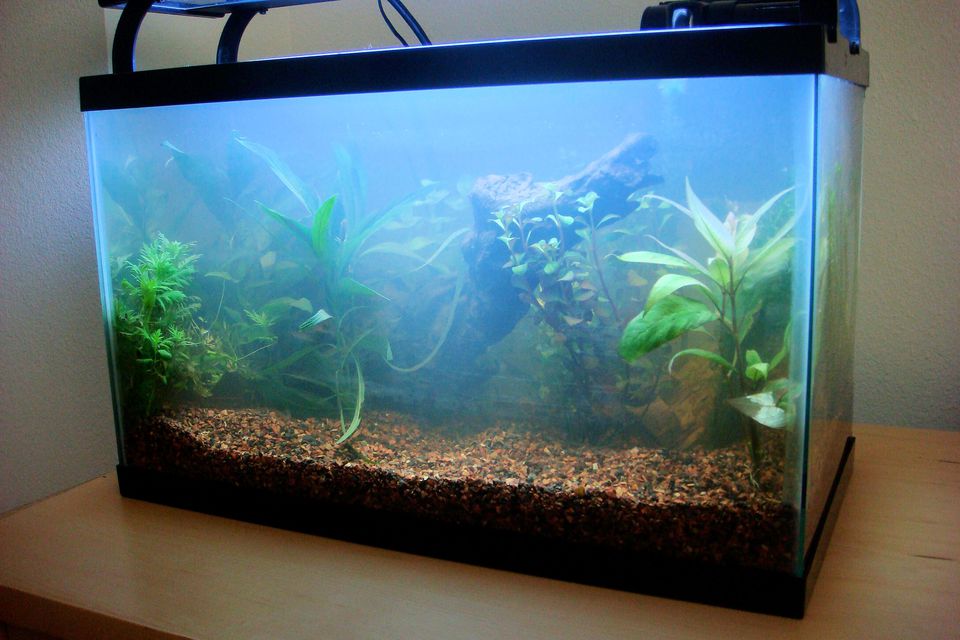
How to diagnose why is the aquarium water cloudy
Diagnose quickly with a few simple checks. Test water for ammonia, nitrite, nitrate, and pH. Clear water with high ammonia often points to new tank syndrome or overfeeding.
Look at color and smell. Green water means free-floating algae. White or milky water suggests bacteria. Brown water hints at tannins. A rotten smell signals decomposing matter.
Inspect equipment and behavior. Check the filter flow, media, and whether fish show stress. If the filter is clogged or new media was added, this can explain sudden cloudiness.
Step-by-step fixes for cloudy aquarium water
Follow a clear plan to clear the tank depending on the cause.
- Bacterial bloom fixes
- Do a 25 to 50 percent water change to remove excess bacteria and organic load.
- Reduce feeding to once a day or less for a few days.
- Check and clean the filter lightly. Do not replace all bio-media at once.
- Add beneficial bacteria starter if the cycle is incomplete.
- Algae and green water fixes
- Reduce light by 30 to 50 percent and cut late-day lighting.
- Perform a partial water change and vacuum the substrate.
- Use an algae filter media or a UV sterilizer for persistent green water.
- Limit nutrient sources like excess nitrate and phosphate.
- Suspended particle fixes
- Vacuum the gravel and rinse any new decorations or sand before placement.
- Improve mechanical filtration: add finer filter floss or a polishing pad.
- Use a water clarifier sparingly to help flocculate particles for removal.
- Tannins and discoloration
- Use activated carbon or a carbon pad in the filter to clear discoloration.
- Boil or soak new driftwood before adding it to the tank.
- Know that tannins are not harmful but will tint the water.
Preventive care to avoid cloudy aquarium water
Prevention is easier than cure and keeps fish healthy. Keep a regular water change schedule. Feed fish a measured amount and remove uneaten food after a few minutes.
Maintain the filter. Rinse sponges and replace media per manufacturer guidance. Keep stocking levels sensible for your tank size.
Test water weekly for ammonia, nitrite, nitrate, and pH. Watch lighting time to restrict algae growth. Simple habits stop most cloudiness before it starts.
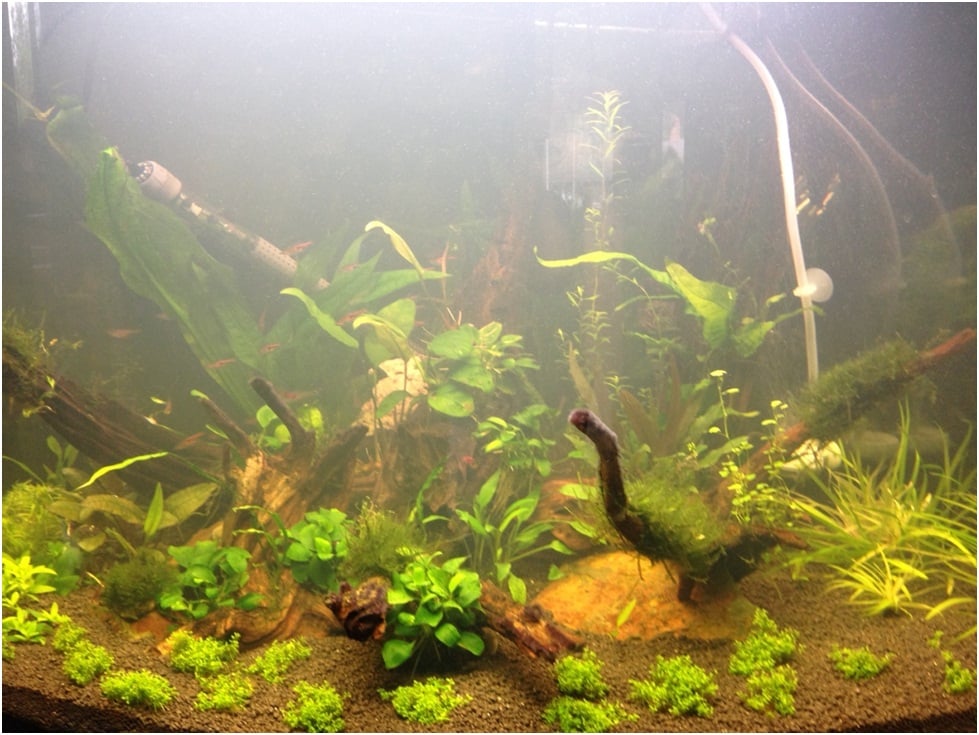
My experience: mistakes I made and lessons learned
Early on I overfed a community tank and let uneaten food rot. The tank went cloudy within 24 hours. I panicked and removed the filter media for a deep clean, which wiped out the beneficial bacteria. That made the problem worse.
The lesson I learned was to do partial water changes and light filter cleaning instead. Adding beneficial bacteria and lowering feeding fixed the cloudiness in three days. Today I follow smaller feedings and weekly checks. Those small habits prevent most cloudy episodes.

Equipment and products that help clear cloudy aquarium water
Right tools speed recovery and add stability. Here are reliable items to consider.
- Mechanical filter media for polishing water
- Use fine filter floss or polishing pads to trap tiny particles.
- Biological media and bacterial supplements
- Use them to support nitrifying bacteria after water changes or new setups.
- UV sterilizer
- Effective for persistent green water and free-floating algae.
- Activated carbon and chemical media
- Good for tannins, medications, and organic discoloration.
Choose products sized for your tank and follow label guidance to avoid overuse.

Common mistakes to avoid when addressing cloudy aquarium water
Avoid fixes that shock the system. Do not replace all filter media at once. This removes bacteria and delays recovery.
Avoid sudden large water changes unless needed for toxic spikes. Sudden shifts can stress fish. Do not overuse water clarifiers or chemicals as a long-term fix. Treat the root cause, not just the symptom.
Be patient. Some bacterial blooms clear in days with proper care. Rushing with harsh fixes can create bigger problems.
Frequently Asked Questions of why is the aquarium water cloudy
How long does cloudy aquarium water usually last?
Most bacterial blooms clear in 24 to 72 hours with proper care. Algae and particle issues may take longer and need targeted fixes.
Can I use water clarifier to clear my tank?
Water clarifiers can help by clumping particles for filter removal. Use them sparingly and address the root cause to prevent recurrence.
Is cloudy water harmful to fish?
Short-term cloudiness is rarely harmful if water chemistry is stable. Prolonged cloudiness may stress fish and signal high ammonia or waste levels.
Will changing all the water fix cloudy aquarium water?
Complete water changes are rarely recommended. Large changes can harm beneficial bacteria and stress fish. Use partial changes and clean the filter gently instead.
Do live plants help prevent cloudiness?
Live plants reduce nutrients and compete with algae, helping keep water clear. Fast-growing plants are most effective at reducing green water and nitrates.
Conclusion
Cloudy aquarium water is a common and fixable problem. Identify whether the cause is bacterial, algal, particulate, or tannin-related, then act with targeted steps. Start with tests, reduce feeding, perform partial water changes, and maintain good filtration to clear the tank.
Take action now: test your water, check the filter, and make one small change today. If this guide helped, try the fixes and share your results or questions below.