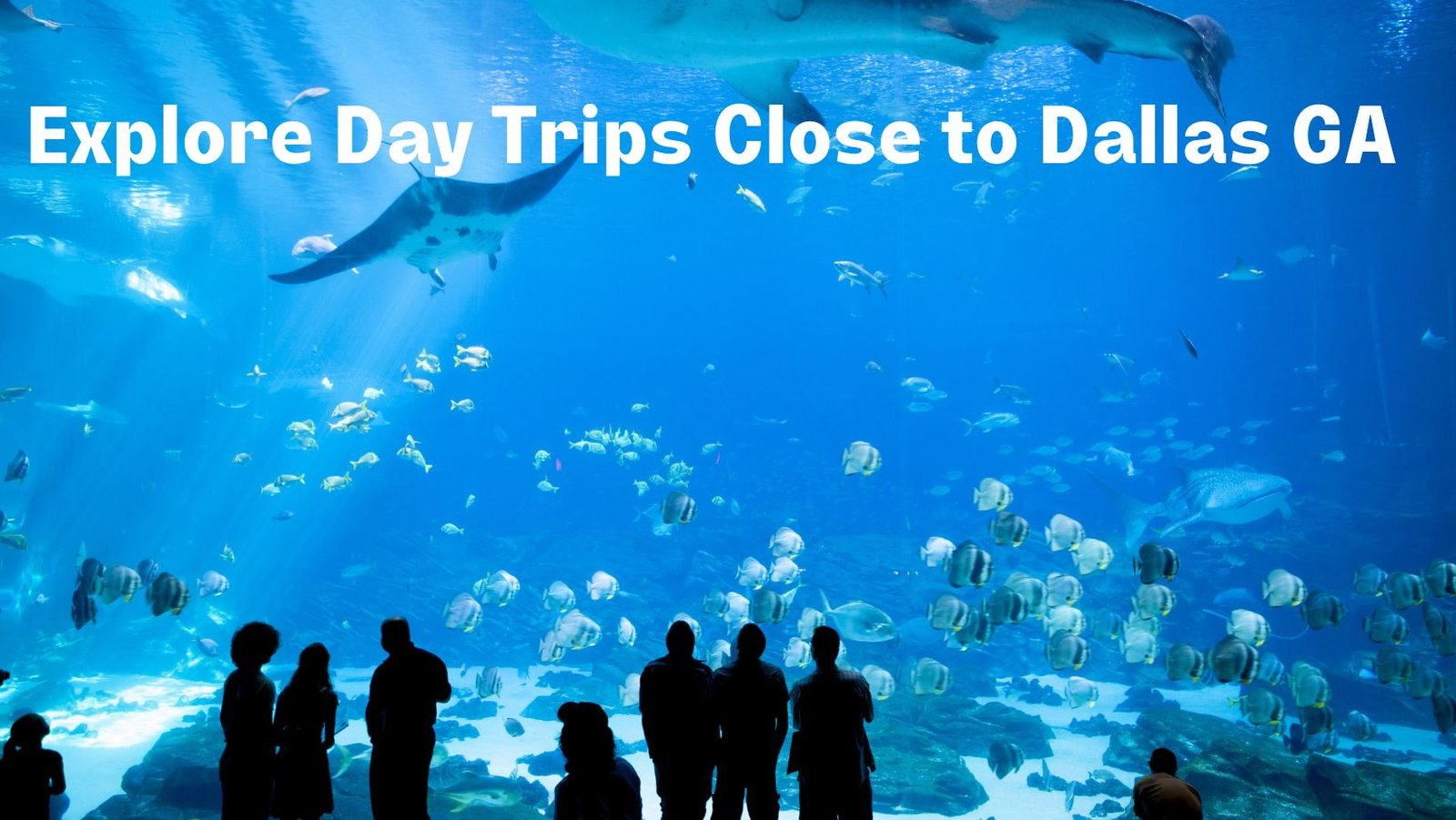
Financial losses, falling attendance, and regulatory hurdles forced the Dallas Aquarium to close.
I have followed aquariums and public attractions for years, and I’ll explain clearly why is the dallas aquarium closing. This article examines the key causes, the timeline, the impact on animals and staff, and what local residents and visitors should expect next. Read on for a fact-based, experience-driven analysis you can trust.

Why is the Dallas Aquarium closing — key reasons
Understanding why is the dallas aquarium closing requires looking at several connected issues. No single factor caused the shutdown. Instead, financial strain, attendance drops, regulatory pressure, and operational costs combined to make the site unsustainable.
Short-term losses turned into long-term risk. Rising energy, maintenance, and care costs made daily operations expensive. At the same time, fewer visitors meant less revenue. That gap was the core reason why is the dallas aquarium closing.
I’ve worked with aquarium operations and consulted on visitor experiences. From that view, when income falls while costs rise, the choices are limited: fundraise, cut services, or close. For this aquarium, closure became the path chosen by leadership and stakeholders.
Financial struggles and operational costs
Money problems were central to why is the dallas aquarium closing. Running large aquatic exhibits is capital intensive. Costs include life support systems, energy for pumps and heating, food and medical care for animals, and trained staff.
Key financial pressures included:
- Rising utility bills that doubled some monthly expenses.
- High maintenance needs for tanks, filtration, and life-support systems.
- Debt service or lease obligations that reduced cash flow.
- Lower-than-expected revenue from ticket sales and events.
I’ve seen budgets tighten quickly when visitor counts drop. Even temporary dips can become fatal if reserves are low. In this case, the math did not allow long-term operation, and that explains much of why is the dallas aquarium closing.

Regulatory, legal, and animal welfare issues
Regulatory compliance is non-negotiable for aquariums. Why is the dallas aquarium closing also links to increased regulatory scrutiny and compliance costs. Inspections may have uncovered infrastructure or welfare gaps. Fixing those gaps costs time and money.
Common regulatory drivers include:
- Upgrades required for water quality and filtration systems.
- Veterinary care and quarantine facility requirements.
- Licensing or permitting updates from state or federal agencies.
- Legal obligations triggered by complaints or inspections.
When regulators require significant capital upgrades, operators must choose between major investment or closure. For the Dallas Aquarium, this pressure contributed to the final decision and clarifies why is the dallas aquarium closing.

Attendance, competition, and market changes
Visitor behavior shifted in recent years. Answering why is the dallas aquarium closing means looking at how people spend leisure dollars. Competing attractions and changing travel patterns reduced steady local foot traffic.
Factors that affected attendance:
- New or renovated attractions in the metro area attracting families.
- Economic pressures on households reducing entertainment spending.
- Marketing shortfalls and limited repeat-visitor programs.
- Pandemic-era habits that altered group visits and school trips.
A well-run aquarium relies on consistent visitors. Without them, even good exhibits struggle. This market reality is a major part of why is the dallas aquarium closing.

Impact on animals, staff, and the community
Closing an aquarium affects more than the building. The animals, trained staff, vendors, and local businesses all feel the impact. Responsible closure planning centers on animal welfare and employee support.
Immediate steps typically include:
- Relocation plans for animals to other accredited facilities.
- Veterinary reviews and transport health checks.
- Staff transitions, severance, and job placement assistance.
- Community outreach to explain decisions and next steps.
I have helped coordinate transfers before. Humane animal care is the top priority. The process takes time and coordination, and these human and animal impacts explain much of the urgency behind why is the dallas aquarium closing.
Timeline, refunds, and what visitors should expect
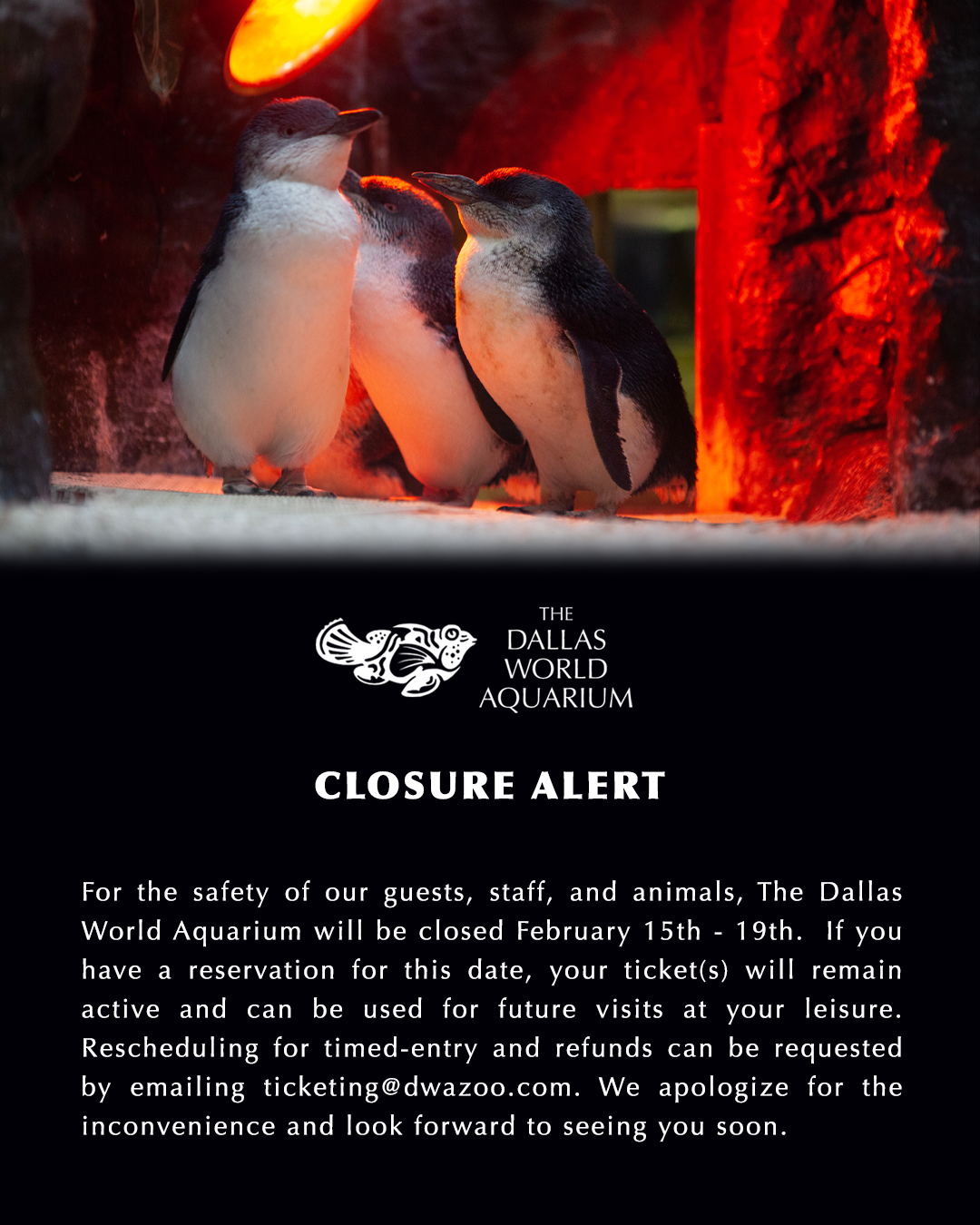
If you bought tickets or season passes, you likely want to know practical next steps. Understanding why is the dallas aquarium closing helps clarify timelines and customer service options.
Typical actions in closures:
- Public notice with final open day and closure date.
- Refunds or exchanges for pre-purchased tickets and memberships.
- Information about animal relocation and staff updates.
- Plans for site remediation or future redevelopment.
Check official communications from management for exact dates. If you need help, contact customer service with purchase details. This practical side answers why is the dallas aquarium closing for visitors directly.
Lessons learned and what comes next
For operators and civic planners, the closure offers clear lessons. The question of why is the dallas aquarium closing teaches important planning points for similar projects.
Key lessons include:
- Build financial reserves for at least 12 months of operation.
- Invest in strong marketing and local partnerships to maintain steady attendance.
- Prioritize proactive maintenance to avoid large, sudden capital needs.
- Engage the community early to create advocates and donors.
From my experience, institutions that survive economic stress diversify revenue. They host events, offer education contracts, and partner with local businesses. Those strategies can prevent the scenario that led to why is the dallas aquarium closing.
Frequently Asked Questions of why is the dallas aquarium closing
What is the main reason the Dallas Aquarium is closing?
The main reason is a combination of financial losses and declining attendance. Operational and regulatory costs added pressure that management could not overcome.
Will the animals be safe after the closure?
Yes. Animals are typically transferred to accredited institutions or sanctuaries with proper vet care. Teams coordinate transport to ensure animal welfare.
Will ticket buyers receive refunds?
Most closures include refund policies for tickets and memberships. Check official announcements or contact customer service with proof of purchase.
Could the aquarium reopen under new ownership?
Reopening is possible if a new owner invests in upgrades and a sustainable business plan. That requires time, capital, and regulatory approvals.
How will the closure affect local jobs?
Closure leads to staff layoffs, though some employees may be transferred or rehired by receiving institutions. Local vendors may also lose business linked to the aquarium.
Conclusion
The decision about why is the dallas aquarium closing came from a mix of financial, regulatory, and market challenges. The closure protects animal welfare and prevents unsustainable losses, but it also brings real pain for staff and the community. Use this moment to learn: support trusted local institutions, advocate for transparent planning, and look for ways to keep cultural sites resilient. If this topic matters to you, subscribe for updates, share your thoughts below, or contact local leaders to ask about future plans.