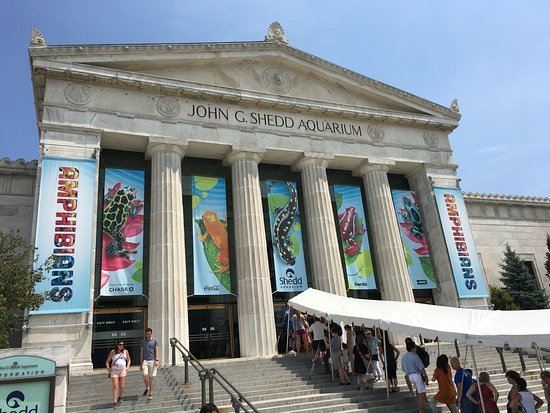
Shedd Aquarium is expensive because of high animal-care, staffing, maintenance, and conservation costs.
I’ve studied museum and aquarium operations for years and visited Shedd Aquarium multiple times. I can explain why is the shedd aquarium so expensive with clear, evidence-based reasons and real-world examples. This guide breaks down costs, compares alternatives, and gives practical tips so you can decide whether a visit is worth the price and how to save money when you go.

Why is the Shedd Aquarium so expensive? Key cost drivers
Many visitors ask why is the shedd aquarium so expensive, and the answer lies in the sum of many essential expenses. Running a large, accredited aquarium requires massive, ongoing investments in animals, people, facilities, and programs. I’ll walk through each major cost driver so you can see where fees go and why admission and extras add up.
Major cost categories include:
- Animal care and veterinary programs, which cover diets, health checks, and specialized treatments.
- Complex life support systems, including filtration, heating, and water chemistry controls.
- Highly trained staff, from aquarists and vets to educators and safety personnel.
- Conservation, research, and education programs that fund public and scientific work.
- Historic building maintenance, utilities, and capital projects.
These costs combine to make operations expensive and explain why ticket prices, memberships, and add-ons are higher than simple entertainment venues.

Animal care and specialized habitats
One of the biggest answers to why is the shedd aquarium so expensive is the cost of animal care. Animals at Shedd need specific diets, constant monitoring, and medical care. That care requires:
- Specialized nutrition plans for diverse species.
- Full-time veterinarians and technicians.
- Quarantine systems and medical equipment.
- Custom habitats that mimic ocean, reef, and freshwater environments.
Animals cannot be switched off. Their tanks run 24/7 and require continuous oversight. Long-term welfare programs and rescue efforts also raise costs, because they require resources beyond typical exhibit upkeep.

Infrastructure and life support systems
Why is the shedd aquarium so expensive often comes down to infrastructure. Life support systems for tanks are complex machines that maintain water quality, temperature, and filtration. Key items include:
- High-capacity pumps and exchangers.
- Ozone, UV, and chemical filtration systems.
- Redundant backups and emergency power.
- Structural engineering for large tanks that hold millions of gallons.
Installing and running these systems demands capital investment and continuous maintenance. Aging systems require regular upgrades, which appear in ticket and membership pricing.

Staff, training, and safety
Staffing is another major reason why is the shedd aquarium so expensive. Aquariums need a wide range of professionals:
- Aquarists who manage daily animal needs.
- Veterinarians for preventive and emergency care.
- Educators and program staff for outreach.
- Facilities, security, and guest services teams.
Staff salaries, training, certifications, and benefits are essential. Many roles require specialized education or experience, increasing labor costs. Safety protocols and emergency planning also add to operational budgets.
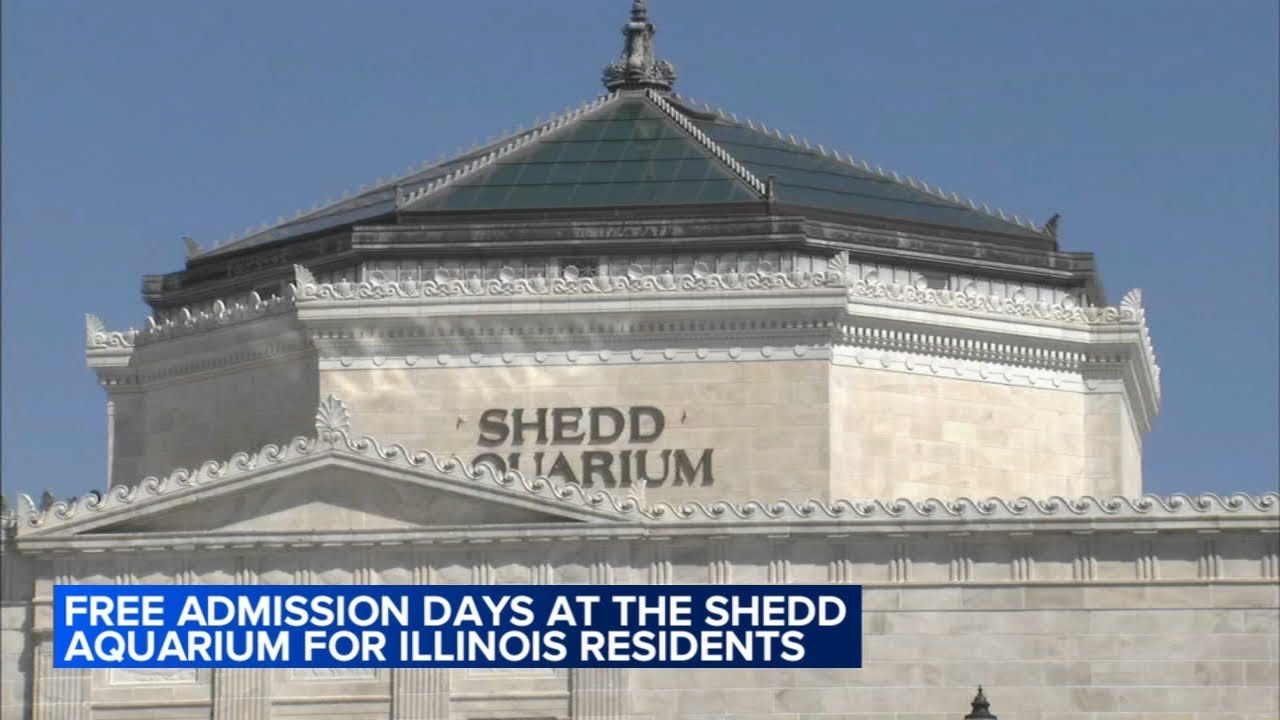
Conservation, research, and education missions
Shedd Aquarium invests in conservation and research, which factors into overall expense. These programs are central to the mission and include:
- Field research and rescue operations.
- Grants and partnerships for species protection.
- School programs and public education initiatives.
- Exhibits designed to increase awareness and behavior change.
Funding conservation and research is a public good. Ticket revenue helps sustain these efforts, which is a key reason why is the shedd aquarium so expensive for visitors who see ticket prices as supporting broader goals.
Historic building and visitor experience costs
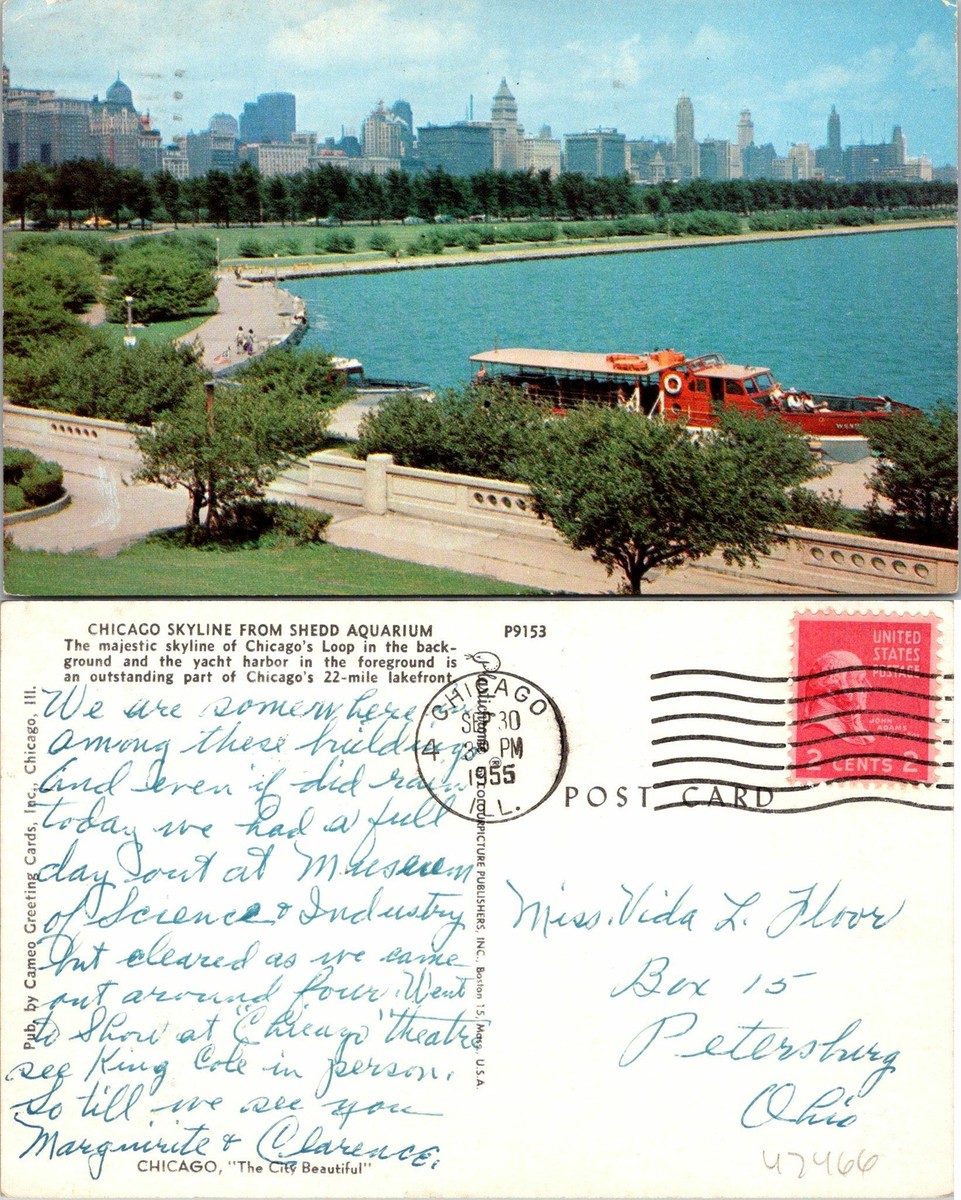
The Shedd sits in a prominent, historic facility that requires preservation. Costs tied to the visitor experience include:
- Facility upkeep and restoration work.
- Climate control for delicate exhibits.
- Exhibit design and rotation to keep content fresh.
- Guest amenities like cafes, shops, and interactive features.
Premium experiences and accessibility upgrades enhance visits but also raise operating costs. This helps explain why shedd aquarium pricing includes not just animal care but a high-quality public experience.

Energy, utilities, and environmental compliance
Another direct cause of why is the shedd aquarium so expensive is the heavy utility load. Aquariums use enormous energy and water resources:
- Continuous heating, cooling, and pumping consume power.
- Water treatment and waste management demand chemical and labor costs.
- Environmental permits and compliance with regulations add fees.
Sustainability upgrades can reduce energy use over time but require upfront capital. These investments sometimes pass through to visitors via pricing and fundraising appeals.
Comparison with similar institutions
Understanding why is the shedd aquarium so expensive also means comparing peers. Large public aquariums and zoos share similar cost structures. When you compare:
- Per-visitor costs at accredited aquariums often exceed simple entertainment venues.
- Admission helps fund unpaid public goods like research and education.
- Memberships and donations subsidize free and discounted access for schools and families.
Context helps: Shedd’s price reflects scale, location, and mission, not just profit.

My personal experience and practical tips
As someone who has toured multiple aquariums and worked with museum budgets, I’ve seen how costs add up. On one visit to Shedd, I spoke with an aquarist who described a single medical procedure that cost thousands. That stuck with me. Practical tips:
- Buy timed-entry tickets in advance to avoid higher window-day costs.
- Consider a membership if you plan multiple visits; it often pays off after two or three trips.
- Visit on off-peak days or look for community discount days.
- Combine Shedd with nearby attractions for more value per outing.
These steps help you get the most from your visit without sacrificing support for the aquarium’s mission.
Frequently Asked Questions of why is the Shedd Aquarium so expensive
What makes Shedd Aquarium tickets more expensive than other attractions?
Ticket prices reflect animal care, life support systems, staff salaries, and conservation programs. The aquarium’s operational complexity is much higher than typical attractions, which raises costs.
Does my ticket support conservation work at Shedd Aquarium?
Yes. A portion of revenue supports research, rescue, and public education programs. These initiatives require steady funding that admission revenue helps provide.
Are there ways to visit Shedd Aquarium affordably?
Yes. Look for membership deals, discounted community days, combo attraction passes, and advance online purchases that can lower per-visit costs.
Why are animal care costs so high at Shedd Aquarium?
Animals require species-specific diets, constant monitoring, and skilled veterinary care. Quarantine, enrichment, and medical supplies add to the expense.
Does Shedd Aquarium receive government funding to offset costs?
Shedd receives some public and private support, but most operational costs rely on admissions, memberships, and donations. This mix still leaves significant expense to cover.
Conclusion
Shedd Aquarium’s price reflects a complex set of real costs: lifelong animal care, advanced life support systems, expert staff, conservation work, and the upkeep of a major public museum. Knowing why is the shedd aquarium so expensive helps you appreciate the value behind the ticket. If you want to support the mission without overspending, consider memberships, off-peak visits, and community programs. Visit informed, enjoy the experience, and leave a comment with your best money-saving tip or experience at Shedd.