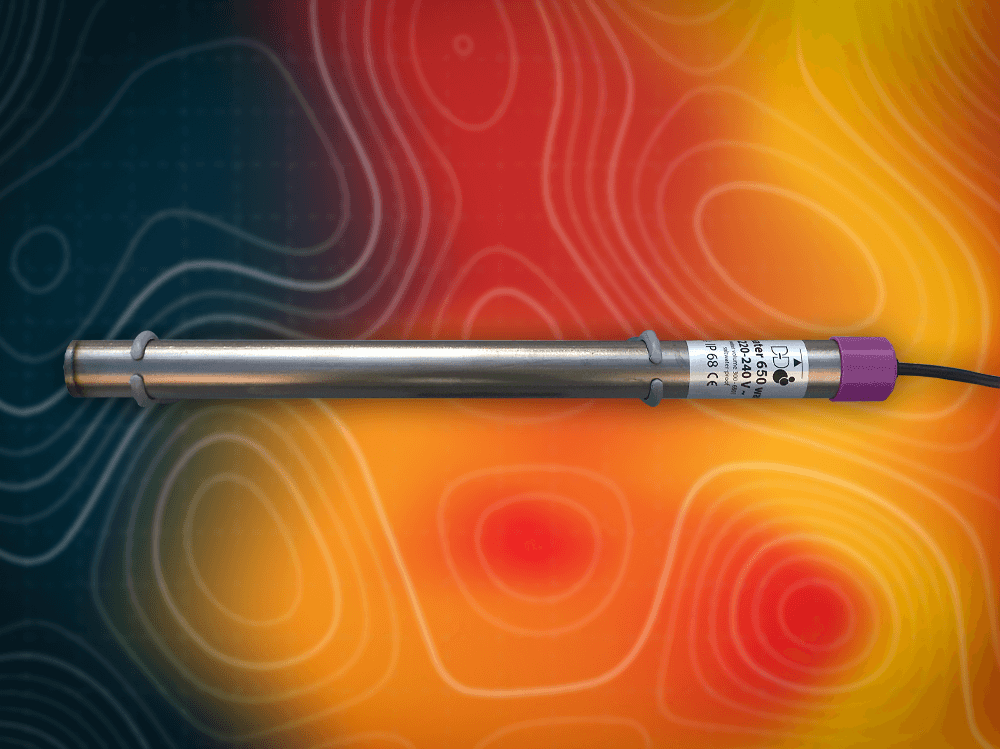
Your aquarium heater is not working due to power issues, incorrect settings, physical damage, or a failed internal thermostat.
That sinking feeling when you glance at your aquarium thermometer and see the temperature dropping is something every fish keeper dreads. Your mind immediately races, wondering "why my aquarium heater is not working?" and what it means for your delicate aquatic pets. As someone who has spent years in the aquarium hobby, I've felt that same panic. But don't worry. We're going to walk through every possible cause, from the simple fixes to the signs of a dead heater, so you can diagnose the problem and get your tank back to a safe, stable temperature.

Check the Power Source First
Before you even think about pulling the heater out of the tank, let's start with the most common and easiest-to-fix culprits: the power supply. It sounds almost too simple, but you'd be surprised how often the issue has nothing to do with the heater itself. I once spent an hour troubleshooting a brand-new heater, only to realize I had tripped the GFCI outlet behind the stand.
Here is a quick checklist to run through:
- The Wall Outlet: Is the heater firmly plugged into the wall? Try plugging a small lamp or a phone charger into the same outlet to confirm it has power.
- The Power Strip: If you're using a power strip, make sure it is turned on and that the specific outlet the heater is using is functional. Some power strips have individual switches or fail over time.
- The GFCI Outlet: Many outlets near water sources, like in kitchens or basements where tanks often are, are GFCI protected. Look for a small "reset" button on the outlet and press it. A tripped GFCI is a very common reason why your aquarium heater is not working.
- The Power Cord: Visually inspect the heater's power cord from the plug to the unit itself. Look for any signs of fraying, chew marks from pets, or kinks that could indicate damage.
Is the Heater Set Correctly?
Sometimes, the problem isn't a malfunction but a simple misunderstanding of how the heater operates. Different heaters have different controls, from simple dials on the top to sophisticated digital controllers. It's easy to misread a setting, especially on a new unit.
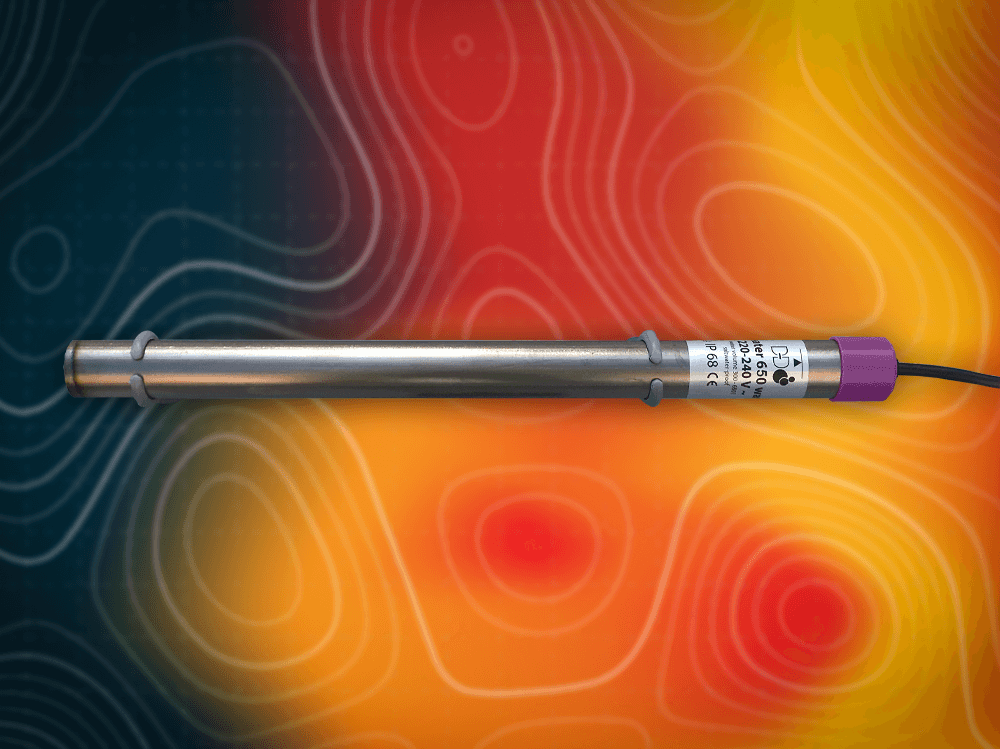
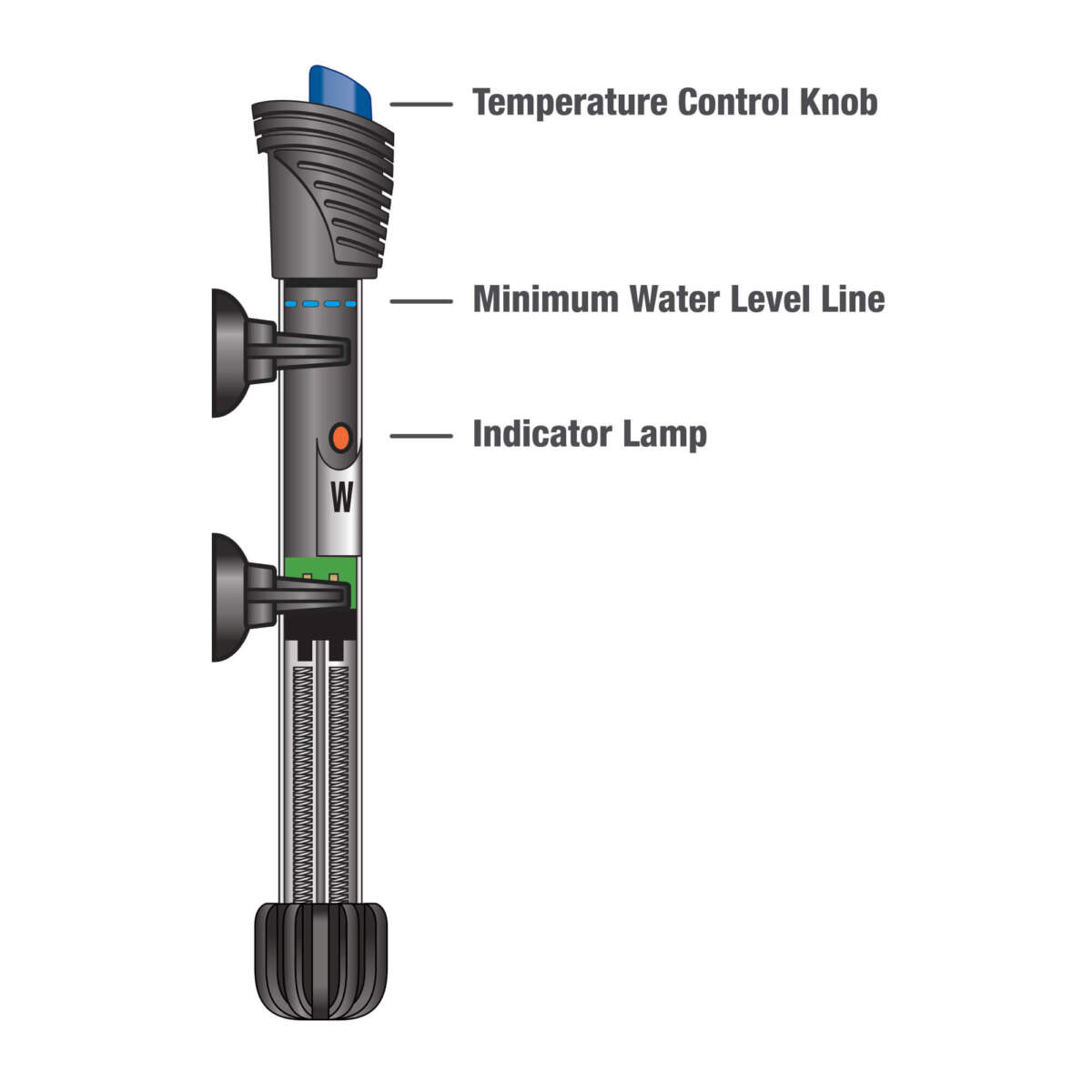
First, double-check the temperature you have it set to. Ensure it is set higher than the current water temperature in the tank. If your aquarium water is already at 78°F and your heater is set to 78°F, the indicator light will be off, and it won't be actively heating. This is normal operation. The heater only turns on when the water temperature drops below its set point. If you're wondering why my aquarium heater is not working, it might just be doing its job perfectly by being off. The ambient temperature of your room also plays a huge role; on a hot day, the heater may not need to turn on at all.

Assessing the Heater Itself for Physical Damage
If the power source is fine and the settings are correct, it’s time to inspect the heater unit. This step is critical for the safety of both you and your fish. Before you do anything else, unplug the heater and let it sit in the water for at least 30 minutes to cool down completely. Removing a hot heater from the water can cause the glass to shatter from the rapid temperature change.
Once it has cooled, carefully remove it and look for these telltale signs of failure:
- Cracks: Examine the glass or quartz tube for any hairline fractures or chips. A cracked heater is a serious electrical hazard and must be replaced immediately.
- Water Inside: Look closely for any condensation or water droplets inside the heater tube. This means the waterproof seal has failed, and the internal electronics are compromised. This is a definitive sign of a broken heater.
- Burn Marks: Any scorch marks or dark discoloration on the unit or near the heating element indicates overheating and malfunction.
- Rattling Sounds: Gently shake the heater. If you hear rattling, it could mean the heating element or another internal component has broken loose.
Is Your Heater Sized and Placed Correctly?
The performance of your heater is directly tied to its size and location within the tank. An undersized heater will constantly struggle to maintain the desired temperature, making it seem like it's not working, especially in a colder room. The general rule of thumb is to use 3 to 5 watts of power per gallon of water. So, a 20-gallon tank needs a heater between 60 and 100 watts.
Placement is just as important. For a heater to work efficiently, it needs to be in an area with good water flow, typically near the filter outlet or a powerhead. If the heater is placed in a stagnant corner, it will only heat the water immediately around it. This small pocket of hot water will trick the heater's internal thermostat into shutting off, leaving the rest of the tank cold. This short-cycling is a frequent cause when people ask why my aquarium heater is not working effectively.
Testing the Thermostat's Accuracy
You can't troubleshoot a heater problem without a reliable, independent thermometer. The built-in thermostats on aquarium heaters are notoriously inaccurate and can fail over time. A separate digital or glass thermometer placed on the opposite side of the tank from the heater will give you a true reading of your tank's water temperature.
If your separate thermometer shows the water is cold, but the heater's indicator light is off, it suggests the thermostat is faulty. It incorrectly thinks the water is already warm enough. Conversely, if the indicator light is always on but the tank never reaches the target temperature, the heating element itself may be failing. A significant difference between the heater's setting and the actual tank temperature is a clear sign that you need a new heater.
Frequently Asked Questions
Why is my aquarium heater light on but not heating?
This often indicates that the heating element inside has failed while the thermostat and power indicator are still functioning. It can also be caused by an undersized heater that simply can't keep up with the heat loss in a large or cold room.
How do I know if my aquarium heater is broken?
Definitive signs of a broken heater include visible cracks in the glass, water or condensation inside the unit, or a complete failure to heat the water. If you notice any of these signs, unplug it and replace it immediately for the safety of your fish.
Can an aquarium heater stop working suddenly?
Yes, absolutely. Like any electronic device, internal components can fail without warning due to age, a manufacturing defect, or a power surge. This is why daily temperature checks are so important for any aquarist.
How long should an aquarium heater last?
On average, most submersible aquarium heaters last for about one to three years. Due to their critical role and the risk of failure, many experienced hobbyists choose to replace their heaters every year as a preventative measure.
What happens if my aquarium heater gets unplugged?
If unplugged, the heater will stop working, and your aquarium's water temperature will slowly drop until it matches the temperature of the room. For tropical fish in a cool room, this can cause stress, illness, or even death if not corrected quickly.
Conclusion
Figuring out why your aquarium heater is not working can be stressful, but by following a logical process of elimination, you can quickly identify the root cause. Start with the simplest solutions first—check the power supply and settings—before moving on to a physical inspection and assessing the unit's placement and thermostat. A non-working heater is not just an inconvenience; it's a direct threat to the health of your aquatic ecosystem.
Take this as an opportunity to establish a routine of checking your tank's temperature and your equipment daily. Proactive monitoring is the best way to prevent a heater failure from becoming a catastrophe. Have you ever solved a mysterious heater problem? Share your experience in the comments below to help fellow aquarists