Poor water quality, stress, and disease are the most common reasons your fish is dying in your aquarium.
Finding a beloved fish lifeless in its tank is a gut-wrenching experience for any aquarium owner, new or seasoned. As a long-time aquarist, I’ve felt that same pang of sadness and confusion, wondering what went wrong. You’re likely asking yourself, "why my fish is dying in aquarium?" and feeling a mix of frustration and guilt. Rest assured, you've come to the right place. This guide is designed to walk you through the most common culprits, drawing from years of experience to help you diagnose the problem, fix it, and create a thriving underwater world for your finned friends.

Poor Water Quality: The Silent Killer
More often than not, the answer to "why my fish is dying in aquarium?" lies in the water itself. Fish don't just live in water; they live in their toilet. Their waste breaks down into toxic compounds that, if left unchecked, are lethal. This is where understanding the nitrogen cycle is non-negotiable for a healthy tank.
In simple terms, fish waste and uneaten food produce ammonia, which is extremely toxic. Beneficial bacteria convert this ammonia into nitrite, which is also very toxic. Finally, a different set of bacteria converts nitrite into nitrate, which is far less harmful and can be removed with water changes. A new tank that hasn't established these bacteria colonies is a death trap, a common issue known as "New Tank Syndrome."
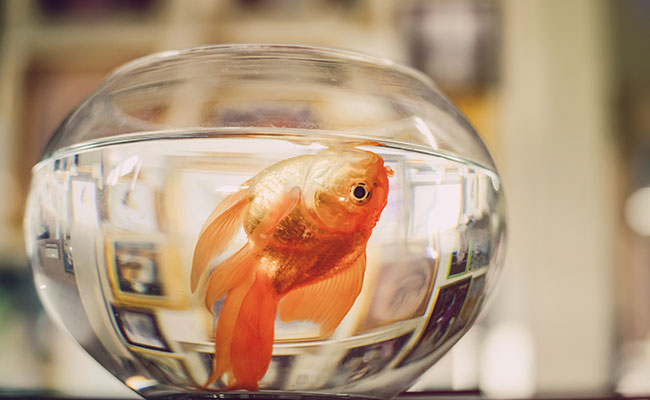
I learned this the hard way with my first betta. I thought a small bowl and weekly water top-offs were enough. I didn't understand why he became lethargic and eventually passed away. It was a heartbreaking lesson in the importance of a properly cycled tank and regular water testing. To avoid this, you must test your water parameters regularly for:
- Ammonia: Should always be at 0 ppm (parts per million).
- Nitrite: Should always be at 0 ppm.
- Nitrate: Should be kept low, ideally under 40 ppm, through regular water changes.
- pH: Varies by species, but a sudden, drastic swing can cause pH shock and kill fish quickly.
Regular partial water changes (about 25% weekly) are crucial for removing nitrates and replenishing essential minerals. This single piece of maintenance can prevent a majority of the issues that lead to fish death.
Stress: More Than Just a Feeling for Fish
Just like in humans, chronic stress weakens a fish's immune system, making it highly susceptible to diseases it might otherwise fight off. The frustrating part is that stress is often invisible until it's too late. When you're trying to figure out why my fish is dying in aquarium, consider these common environmental stressors.
One major stressor is overcrowding. It might be tempting to add just one more colorful fish, but too many inhabitants in a small space leads to a rapid decline in water quality and constant competition for territory. This often results in bullying, where more aggressive fish nip fins and chase more timid ones, causing relentless anxiety.
Another factor is an incompatible community. Putting a slow-moving, long-finned fish like a betta with a fast, nippy species like a tiger barb is a recipe for disaster. Always research the temperament and needs of each species before adding them to your tank. Providing plenty of hiding spots with plants, caves, and driftwood can also make a huge difference, giving fish a safe space to retreat when they feel threatened. Finally, the initial introduction to the tank is a high-stress moment. Always acclimate new fish slowly to the new water temperature and parameters to prevent shock.

Disease and Illness: Identifying the Culprit
When a fish's immune system is compromised by poor water or stress, disease is often the final blow. Many illnesses present with clear visual cues, so daily observation of your fish is one of your best diagnostic tools. If you spot a problem, acting quickly is key.
Some of the most common aquarium diseases include:
- Ich (White Spot Disease): This looks like tiny salt grains sprinkled over the fish's body and fins. It's a highly contagious parasite.
- Fin Rot: This bacterial infection causes the fins to look ragged, frayed, or like they are literally rotting away. It's almost always linked to poor water conditions.
- Fungal Infections: These often appear as white, cotton-like growths on a fish's body, fins, or mouth. They typically attack areas where a fish has already been injured.
The single best practice to prevent the spread of disease is to use a quarantine tank. I never add a new fish directly to my main display tank anymore. Every new arrival spends 2-4 weeks in a separate, smaller tank where I can observe them for any signs of illness. This has saved my main tank from countless potential outbreaks and is a non-negotiable step for any serious hobbyist trying to avoid the "why my fish is dying in aquarium" mystery.
Feeding Issues: Too Much or Too Little Love
We often show our love for our pets through food, but with fish, this can be deadly. Overfeeding is one of the most common mistakes in the hobby. Fish will almost always act hungry, but their stomachs are incredibly small—roughly the size of their eye.
When you feed too much, the uneaten food sinks to the bottom and decays, releasing ammonia and fueling toxic water conditions. It’s a direct contributor to the water quality problems we discussed earlier. Furthermore, overeating can cause health issues for the fish itself, such as bloating and constipation, which can be fatal. A good rule is to feed your fish only what they can completely consume in one to two minutes, once or twice a day.
On the other hand, ensure you are providing the correct diet. Some fish are herbivores, some are carnivores, and others are omnivores. Feeding a herbivore a high-protein diet meant for a carnivore can lead to long-term health problems. Researching the specific dietary needs of your fish is just as important as maintaining their water.

Environmental and Equipment Failures
Sometimes, the cause of death is not biological but mechanical. Your aquarium is a life-support system, and if any piece of equipment fails, the results can be catastrophic and sudden, leaving you wondering why my fish is dying in aquarium when everything seemed fine.
A faulty heater is a prime suspect. If it gets stuck in the "on" position, it can literally cook your fish. If it fails entirely, the temperature can drop, shocking your fish and suppressing their immune systems. Always use a reliable thermometer (separate from the heater) to monitor the temperature daily.
The filter is the heart of your tank. If it becomes clogged or the motor fails, water circulation stops, and life-sustaining oxygen exchange ceases. More importantly, the beneficial bacteria living in your filter media will start to die off, leading to a rapid spike in ammonia and nitrite. Make sure you are performing regular, gentle maintenance on your filter, such as rinsing the media in old tank water (never tap water, as chlorine will kill the bacteria).

Frequently Asked Questions
Why did my fish die suddenly without any signs?
Sudden death is often caused by invisible problems like a rapid spike in ammonia or nitrite, a drastic temperature or pH change (shock), or a lack of oxygen in the water. These issues can kill a fish within hours before visible symptoms of disease appear.
How often should I change my aquarium water?
For most established aquariums, a weekly partial water change of 25-30% is recommended. This helps remove nitrates and other dissolved pollutants, keeping the environment stable and healthy for your fish.
Can a fish die from stress?
Yes, absolutely. Chronic stress from bullying, overcrowding, or poor water conditions weakens a fish's immune system, making it vulnerable to fatal diseases. Acute stress, like from being improperly acclimated, can also cause shock and sudden death.
What are the first signs of a sick fish?
Early signs of illness include lethargy, hiding more than usual, loss of appetite, clamped fins, and erratic swimming. You might also notice physical changes like discoloration, spots, or fraying fins.
Is it my fault my fish died?
It's natural to feel responsible, but the most important thing is to use it as a learning experience. Nearly every fishkeeper has lost a fish due to a mistake or lack of knowledge. By investigating why your fish is dying in aquarium, you are already on the path to becoming a better, more responsible pet owner.
Conclusion
Discovering why your fish is dying in aquarium can feel like solving a difficult puzzle, but the clues almost always point back to a few core principles: pristine water, a low-stress environment, proper nutrition, and functioning equipment. By regularly testing your water, observing your fish's behavior, and being diligent with maintenance, you can prevent most common tragedies.
Losing a fish is disheartening, but don't let it discourage you. Let it be a lesson that empowers you to create an even better, healthier habitat for your future aquatic pets. Take the knowledge from this guide, test your aquarium's water today, and observe your tank with a fresh perspective. We'd love to hear about your experiences or questions in the comments below