Using CO2 in an aquarium provides the essential carbon plants need for photosynthesis, promoting lush, rapid growth.
Have you ever looked at those stunning, jungle-like aquascapes online and wondered how they achieve such vibrant, dense plant life? I’ve been there. For years, I struggled with slow-growing, algae-covered plants, thinking that good lighting and fertilizer were enough. The real game-changer, the secret ingredient that unlocked explosive growth and brilliant colors in my tanks, was understanding why to use CO2 in an aquarium. This guide will walk you through everything you need to know, from the basic science to the practical benefits, so you can transform your planted tank from just surviving to truly thriving.
What is CO2 and Why Do Aquarium Plants Need It?
Think of CO2, or carbon dioxide, as the air that aquatic plants "breathe." Just like humans need oxygen to live, plants need CO2 for a fundamental process called photosynthesis. During photosynthesis, plants use energy from your aquarium light to convert CO2 and water into glucose (their food) and oxygen. This process is the engine that drives all plant growth.
In many home aquariums, CO2 is the single biggest limiting factor for plant health. You can have the best light and the richest fertilizers, but without enough carbon, your plants simply can't use those resources effectively. It's like having all the ingredients for a cake but not enough flour. By injecting CO2 into the water, you are providing that missing key ingredient, allowing your plants to grow to their full, beautiful potential. Learning why to use CO2 in an aquarium is the first step toward creating that lush underwater garden you've always wanted.

The Key Benefits of Using CO2 in Your Aquarium
Injecting CO2 into your planted tank isn't just about making plants grow; it's about creating a healthier, more beautiful, and balanced ecosystem. The transformation can be dramatic. I remember adding a pressurized CO2 system to my 20-gallon tank and watching my struggling red plants turn a deep, brilliant crimson within weeks. Let's break down the main advantages.
Promotes Lush, Vigorous Plant Growth
This is the number one reason aquarists decide to use CO2 in an aquarium. With an abundant source of carbon, plants can photosynthesize at a much faster rate. This leads to visibly quicker growth, larger leaves, and stronger root systems. Plants that were once slow-growing or barely hanging on will suddenly take off, filling in your aquascape and creating a dense, natural-looking environment.
Enhances Plant Coloration
Have you ever wondered why your red plants look more brownish or why your greens seem dull? A lack of CO2 is often the culprit. When plants have enough carbon, they can produce the pigments that give them their vibrant colors. Reds become redder, greens become richer, and the overall contrast in your tank becomes much more striking. This is especially true for more demanding "high-tech" plants.
Helps Control Algae
This might sound counterintuitive, but adding something to your tank can actually help keep it cleaner. Algae and plants compete for the same nutrients. When your plants are healthy and growing robustly, they are much better at consuming nutrients like nitrates and phosphates from the water column. By outcompeting the algae for food, your thriving plants effectively starve it out, leading to a much cleaner and clearer aquarium. This is a far more effective long-term solution than constantly battling algae with chemicals.
Stabilizes pH Levels
Injecting CO2 into the water will naturally lower the pH. While this requires careful monitoring, it can be a benefit. Many popular tropical fish and plants, especially those from regions like the Amazon, thrive in slightly acidic water. A consistent CO2 injection during the day helps create a stable pH environment, avoiding the large swings that can sometimes stress fish and plants.

Signs Your Planted Aquarium Needs CO2
It can be frustrating when your plants aren't doing well and you don't know why. If you have decent lighting and are using fertilizers, a CO2 deficiency might be the missing piece of the puzzle. Recognizing the signs is key to understanding why to use CO2 in an aquarium for your specific setup.
Here are some common indicators that your plants are starved for carbon:
- Slow or Stunted Growth: Your plants are alive but haven't shown any new growth in weeks or months.
- Small, Pale New Leaves: New leaves that emerge are smaller than older ones and may lack vibrant color.
- Pinholes in Leaves: Small holes appearing in the leaves, especially older ones, can be a sign of nutrient deficiency exacerbated by a lack of CO2.
- "Melting" Plants: Some stem plants may seem to disintegrate or "melt" away, unable to sustain themselves.
- Persistent Algae Problems: If you're constantly fighting algae, particularly stubborn types like Black Beard Algae (BBA) or Staghorn algae, it's a strong sign your plants are not healthy enough to outcompete them. I personally battled BBA for months until I finally invested in a CO2 system, and the problem vanished as my plants took over.
Different Types of CO2 Systems for Aquariums
Once you've decided to explore why to use CO2 in an aquarium, the next step is choosing a system. There are a few different methods, each with its own pros, cons, and price points. Your choice will depend on your budget, tank size, and how much control you want.
DIY CO2 Systems
This is the most budget-friendly entry point. A typical DIY system uses a mixture of yeast, sugar, and water in a plastic bottle to produce CO2 through fermentation. The gas is then fed into the tank through an airline tube.
- Pros: Very inexpensive to set up and maintain.
- Cons: Inconsistent CO2 production, which can fluctuate with temperature. It's difficult to control the output and nearly impossible to turn off at night, which can be risky for your fish. I started with this method and found it messy and unreliable for long-term success.
Pressurized CO2 Systems
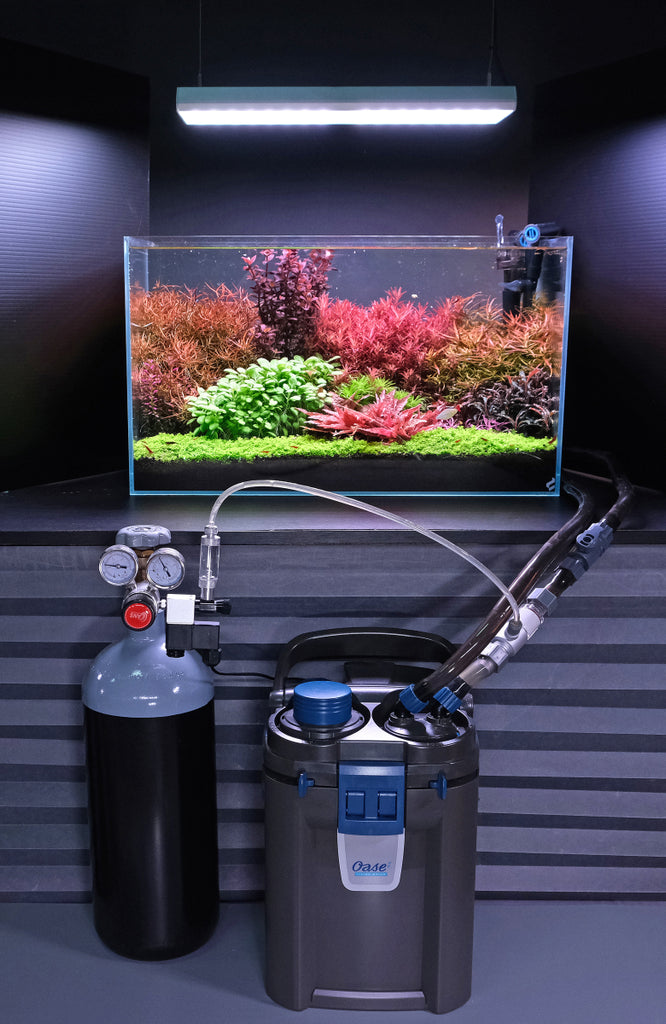
This is considered the gold standard for planted aquariums. A pressurized system consists of a refillable CO2 cylinder, a regulator to control the pressure, a solenoid valve to turn it on and off with a timer, a bubble counter to monitor the flow rate, and a diffuser to dissolve the gas into the water.
- Pros: Provides a highly stable and controllable supply of CO2. Extremely reliable and safe when set up correctly. More cost-effective in the long run than other methods.
- Cons: Higher initial investment cost.
Liquid Carbon Supplements
You'll see bottles of "liquid carbon" at your local fish store. It's important to understand that these are not a true replacement for gaseous CO2. The active ingredient is typically glutaraldehyde, which provides a minor source of carbon but functions primarily as a mild algaecide.
- Pros: Easy to use, just dose daily. Can be effective at controlling some types of algae.
- Cons: Provides very little carbon for plant growth compared to gas injection. Can be harmful to certain sensitive plants (like Vallisneria) and invertebrates if overdosed.
How to Safely Introduce CO2 into Your Aquarium
The idea of injecting gas into your fish tank can sound intimidating, but it's perfectly safe when done correctly. The golden rule is to "start low and go slow." Your fish need time to acclimate, and you need to find the right balance for your specific tank.
- Set Up Your Equipment: Follow the manufacturer's instructions to assemble your pressurized system. Ensure all connections are tight to prevent leaks.
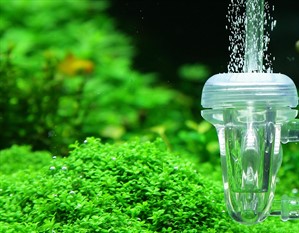
- Install a Drop Checker: This is your most important tool for monitoring CO2. A drop checker is a small glass reservoir that holds a special indicator solution. It changes color based on the amount of dissolved CO2 in the water. Blue means too little, yellow means too much, and a lime green color is the ideal target.
- Start with a Low Bubble Rate: Begin with a low rate, such as one bubble per second in your bubble counter for a medium-sized tank. Let it run for a few hours and observe your drop checker and your fish.
- Use a Timer: Connect your solenoid valve to the same timer as your aquarium light. Plants only use CO2 when the lights are on. Turning the CO2 off at night prevents a dangerous buildup that can suffocate your fish.
- Adjust Slowly: Over several days, you can slowly increase the bubble rate until your drop checker is a steady lime green color during the day. Always watch your fish for signs of stress, such as gasping at the surface. If you see this, reduce the CO2 immediately.

Common Misconceptions About CO2 in Aquariums
There's a lot of information out there, and some of it can be misleading. Clearing up these common myths is important for anyone considering why to use CO2 in an aquarium.
- Myth: "CO2 injection is dangerous for fish."
Fact: CO2 is only dangerous if levels get too high. By using a drop checker, starting slowly, and turning it off at night, a CO2 system is completely safe for your fish and can actually improve their environment by promoting oxygen production from healthy plants. - Myth: "You only need CO2 for difficult, 'high-tech' plants."
Fact: While demanding plants absolutely require CO2, nearly all aquatic plants will benefit from it. Even "low-light" plants like Anubias and Java Fern will grow faster, healthier, and show better color with supplemental CO2. - Myth: "Liquid carbon is a good substitute for pressurized CO2."
Fact: As we discussed, liquid carbon provides a minimal amount of carbon and primarily acts as an algaecide. It cannot support the lush, rapid growth that is possible with a pressurized CO2 system.

Frequently Asked Questions of why use co2 in aquarium
Can I use too much CO2 in my aquarium?
Yes, you absolutely can. Excess CO2 displaces oxygen in the water, which can harm or even kill your fish. This is why it's critical to use a drop checker and monitor your fish's behavior when starting out.
Do I need to run CO2 24/7?
No, and you shouldn't. Plants only consume CO2 during photosynthesis when the lights are on. Running it at night is wasteful and dangerously increases CO2 levels, so it should be turned off with a timer.
Will CO2 help my Java fern and Anubias?
Yes, it will. While these plants are known as "low-tech" and can survive without CO2 injection, they will grow noticeably faster, larger, and with deeper green coloration when provided with a consistent source of carbon.
What is a drop checker and how does it work?
A drop checker is a device that monitors the dissolved CO2 concentration in your aquarium water. It holds a special indicator fluid that changes color: blue indicates low CO2, yellow indicates dangerously high CO2, and lime green indicates the ideal level for plant growth.
How long does a pressurized CO2 tank last?
This depends on the size of the CO2 cylinder, the size of your aquarium, and your bubble rate. For a typical 20-30 gallon tank, a 5 lb CO2 cylinder can easily last for 6-12 months or even longer, making it very cost-effective over time.
Conclusion
Understanding why to use CO2 in an aquarium is the key to unlocking the full potential of your underwater garden. It's the catalyst that transforms a simple planted tank into a breathtaking, vibrant ecosystem. By providing this essential element, you'll see faster growth, richer colors, and far fewer algae problems. It elevates the aquascaping hobby from simply keeping plants alive to actively cultivating a thriving natural environment.
If you're ready to take your planted tank to the next level, don't be intimidated. Start by assessing your plants' needs, research the system that best fits your budget, and remember to introduce it slowly and safely. The reward of watching your aquascape flourish is well worth the effort.
Have you tried using CO2 in your aquarium? Share your experiences, successes, or questions in the comments below. We'd love to hear from you