Using RO water in an aquarium provides a pure, clean slate, free from harmful contaminants found in tap water. As a long-time aquarium keeper, I've seen firsthand how mysterious problems can plague a tank, from stubborn algae to unhealthy fish. Often, the hidden culprit is the very water we use from our taps. Understanding why use RO water in an aquarium is not just for advanced hobbyists; it's about taking ultimate control over your aquatic environment to help your fish and plants truly thrive. This guide will walk you through everything you need to know, from the core benefits to the practical steps for getting started.

What Exactly is RO Water and How is it Different?
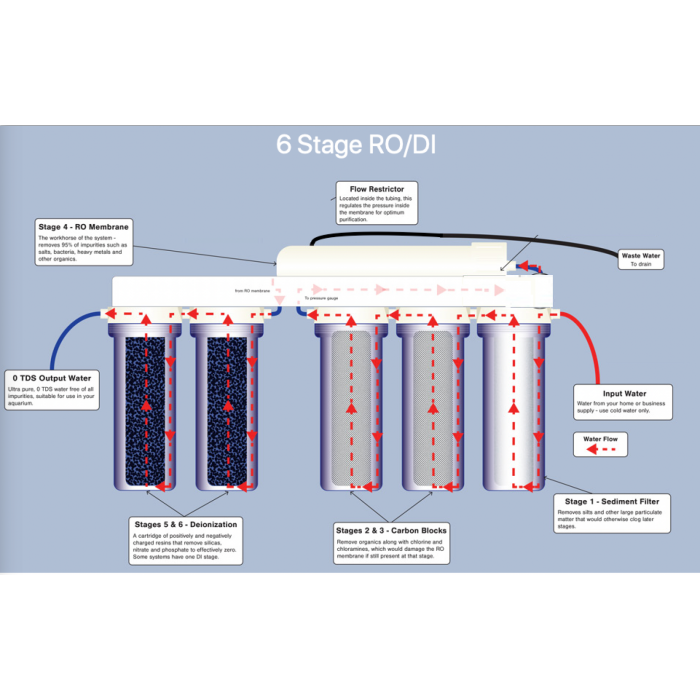
Before we dive into the reasons to use it, let's clear up what RO water actually is. RO stands for Reverse Osmosis. Think of it as a super-powered filtration process. Water from your tap is pushed through a very fine membrane that acts like a bouncer at an exclusive club, letting only the pure water molecules pass through.
What gets left behind? Almost everything else. This includes:
- Chlorine and chloramines used to treat municipal water.
- Heavy metals like copper, lead, and zinc.
- Dissolved minerals that cause hardness (calcium, magnesium).
- Nitrates, phosphates, and silicates which are notorious algae fuel.
The result is water that is incredibly pure, with a Total Dissolved Solids (TDS) reading close to zero. Tap water, on the other hand, can have a TDS of anywhere from 50 to over 500, packed with a random assortment of substances. Using RO water gives you a completely blank canvas to work with.

The Core Benefits: Gaining Ultimate Control Over Your Aquarium's Water
The primary reason to use RO water in an aquarium is control. Instead of reacting to the unpredictable nature of your tap water, you get to dictate the exact conditions of your tank from the ground up. This control translates into several key benefits for your aquatic pets.
Eliminating Harmful Contaminants from Tap Water
Your tap water might be safe for you to drink, but it can contain things that are stressful or even lethal to sensitive aquatic life. Chlorine and chloramines are obvious villains, but even after using a dechlorinator, other elements remain. Heavy metals from old plumbing, high levels of nitrates from agricultural runoff, and phosphates added by water treatment facilities can all cause long-term health issues for your fish and create a perfect breeding ground for algae.
I remember once struggling with a beautiful planted tank where my shrimp just weren't breeding. I did everything right—perfect lighting, CO2, and fertilizers—but nothing worked. After months of frustration, I tested my tap water after a city pipe flushing and found a temporary but significant spike in copper. Switching to RO water solved the problem almost instantly. This personal experience taught me a valuable lesson on why use RO water in an aquarium when dealing with delicate invertebrates.
Creating the Perfect Water Parameters for Sensitive Species
Not all fish are created equal. A guppy or a molly might be perfectly happy in hard, alkaline tap water. But what if you want to keep soft-water species like Discus, Cardinal Tetras, or delicate shrimp like Crystal Reds? These species come from environments with very soft, acidic water that is nearly impossible to replicate using typical tap water.
Using pure RO water allows you to be the "chef" for your aquarium's water. You start with zero hardness and then add back specific minerals to achieve the exact General Hardness (GH) and Carbonate Hardness (KH) your inhabitants need. This precision is a game-changer for breeding projects or keeping specialized species that would otherwise fail to thrive.
Preventing and Controlling Algae Outbreaks
If you've ever been in a constant war with algae, your tap water could be the secret enemy agent supplying the fuel. Tap water often contains phosphates and silicates, which are essential nutrients for algae. You can have the best filter and the most balanced lighting, but if you're pouring in algae food with every water change, you're fighting a losing battle.
Starting with pure RO water means you are starting with zero phosphates and silicates. This starves common nuisance algae like brown diatoms and green spot algae of the building blocks they need to take over your tank. This is one of the most compelling reasons why use RO water in an aquarium is so popular among aquascapers and planted tank enthusiasts who want a pristine, algae-free display.
Remineralizing RO Water: The Crucial Second Step
Now for a critical point: pure RO water is actually too clean to be used directly in an aquarium. Because it lacks all minerals, it is osmotically stressful for fish and invertebrates. Fish need certain minerals in the water, which they absorb through their gills and skin, for essential biological functions. Pure RO water also has no buffering capacity (KH), meaning the pH can crash dangerously.
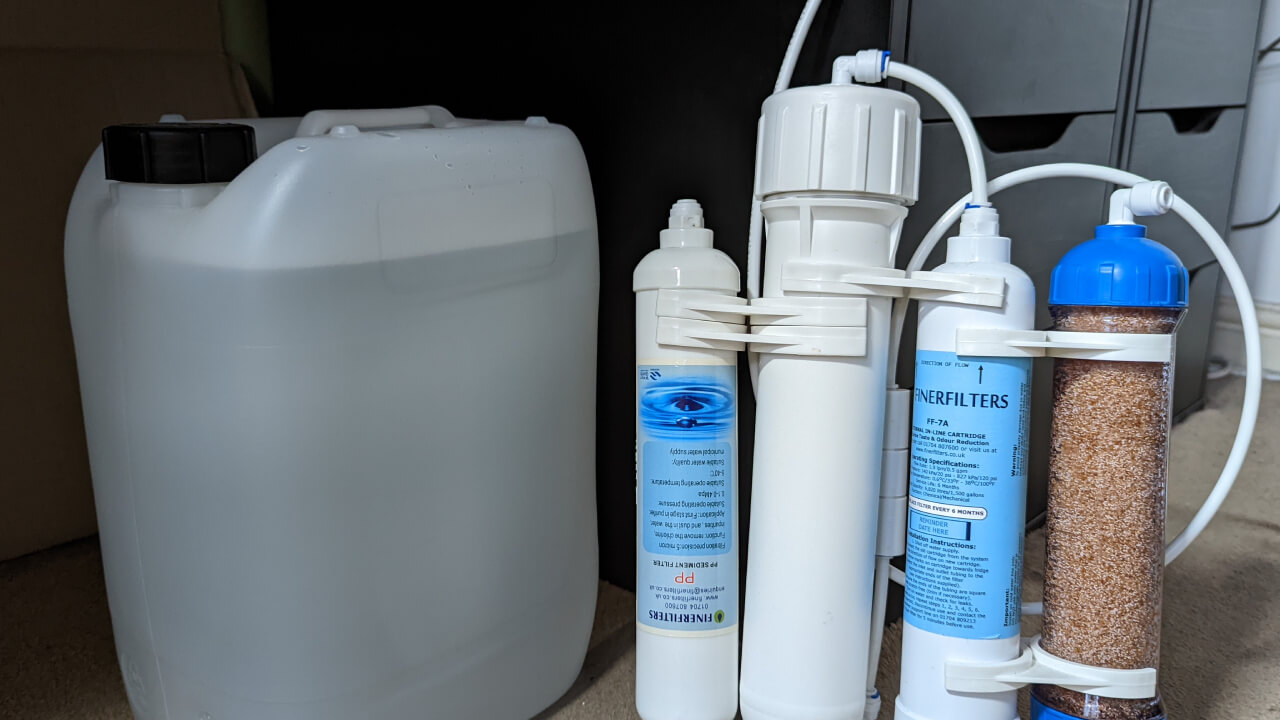
This is where remineralizing comes in. It sounds complicated, but it's as simple as adding a specially designed salt mix or liquid solution to your RO water. These products, like Seachem Equilibrium or Salty Shrimp GH/KH+, are formulated to add back the essential minerals and carbonates in the correct ratios.
My process is simple. I fill a large bucket with RO water, add the remineralizing powder, and use a small powerhead to mix it for about an hour. I then test the GH and KH to ensure it’s exactly where I want it before using it for a water change. This extra step is non-negotiable and ensures the water is not just pure, but also perfectly healthy for my fish.
Is RO Water Right for Your Aquarium? A Practical Guide
So, after learning about the benefits, you might be wondering if you should make the switch. The decision of why use RO water in an aquarium really depends on your specific goals, livestock, and local tap water quality.
When You Absolutely Should Consider RO Water
- You are keeping sensitive soft-water fish, shrimp, or plants.
- You have a saltwater reef aquarium (it's a must-have here).
- Your local tap water is extremely hard, has a very high TDS (over 300 ppm), or contains high levels of nitrates or phosphates.
- You are an aquascaper or planted tank enthusiast battling persistent algae issues.
When Tap Water Might Be Just Fine
- You keep hardy, adaptable fish like most livebearers, danios, or barbs.
- You keep fish that prefer hard water, such as African Cichlids.
- Your tap water is stable and has parameters that are already well-suited for the fish you want to keep.
- You are a beginner looking for the simplest, lowest-maintenance setup possible. For many, good old tap water treated with a quality dechlorinator is perfectly adequate.
Getting Started with RO Water in Your Aquarium
If you've decided to make the switch, you have two main options for sourcing your water. You can buy pre-made RO water from your local fish store or a water refill station. This is a great way to start and test the waters, so to speak, especially if you only have a small nano tank.
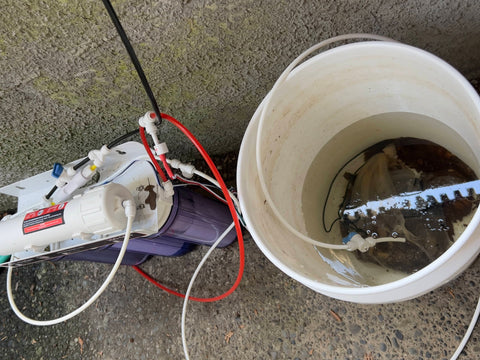
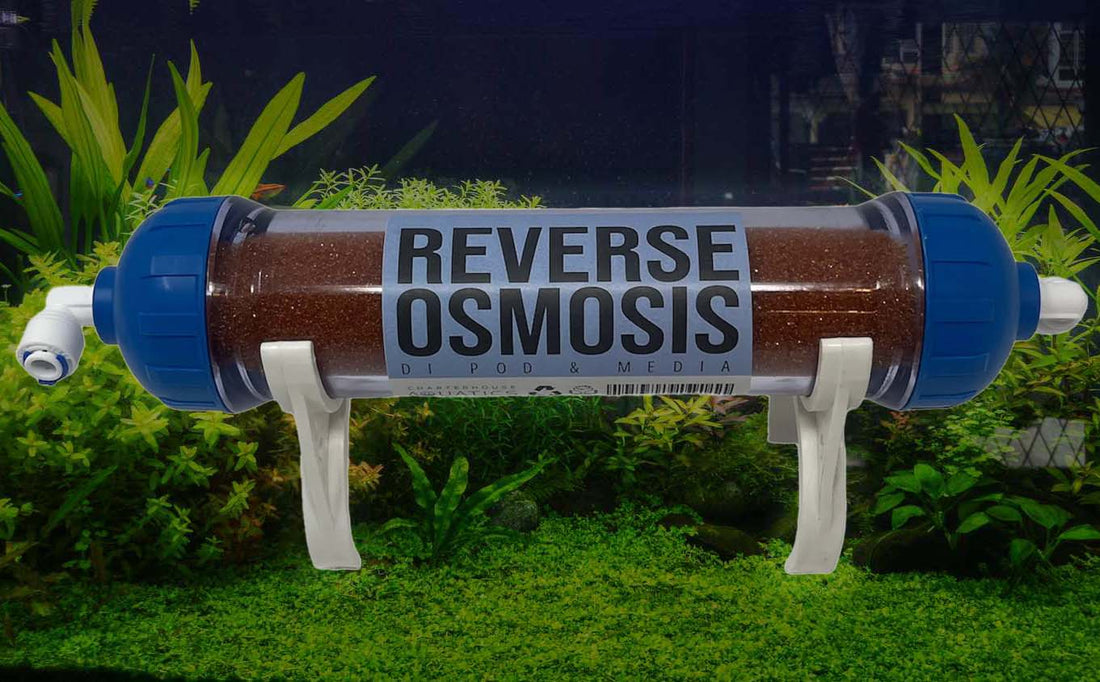
For larger tanks or multiple aquariums, investing in a home Reverse Osmosis (RO/DI) unit is far more cost-effective in the long run. These units connect directly to your plumbing and produce pure water on demand. While there's an upfront cost, the convenience and long-term savings are well worth it for any serious hobbyist. Transitioning your tank should be done gradually over several weeks, using a mix of tap and RO water during water changes to allow your fish and beneficial bacteria to acclimate slowly.

Frequently Asked Questions of why use ro water in an aquarium
Can I use pure RO water directly in my aquarium?
No, you should never use pure RO water directly. It lacks essential minerals and buffers, which can cause osmotic stress to fish and lead to a dangerous pH crash in your tank.
How do I remineralize RO water for a freshwater tank?
You use specific aquarium products often labeled as GH/KH boosters or remineralizers. These come in liquid or powder form and are added to the RO water in a separate container before it goes into the aquarium.
Is RO water the same as distilled water?
They are very similar in purity, but they are created through different processes. RO water is made by forcing water through a membrane, while distilled water is created by boiling water and collecting the condensed steam. For aquarium purposes, they are functionally interchangeable, though RO is more common.
Does using RO water mean I don't have to do water changes?
Absolutely not. Water changes are still essential for removing accumulated organic waste, nitrates, and hormones from the water. Using RO water simply ensures the new water you add is clean and has the perfect parameters.
Will an RO system waste a lot of water?
Traditional RO systems do produce wastewater as part of the filtration process. However, modern units are becoming much more efficient, and many aquarists collect the wastewater for other household uses like watering plants.
Conclusion
Making the switch to RO water can feel like a big step, but it's one of the most powerful tools an aquarist has for creating a stable, healthy, and beautiful underwater world. It removes the guesswork and gives you complete authority over your tank's most fundamental element: the water itself. While not necessary for every tank, understanding why use RO water in an aquarium opens up a new level of precision and success in the hobby.
Your first step should be to get a reliable test kit and find out what’s in your tap water. Once you know what you're working with, you can make an informed decision. If you've made the switch to RO water, share your experience in the comments below—I'd love to hear how it transformed your aquarium