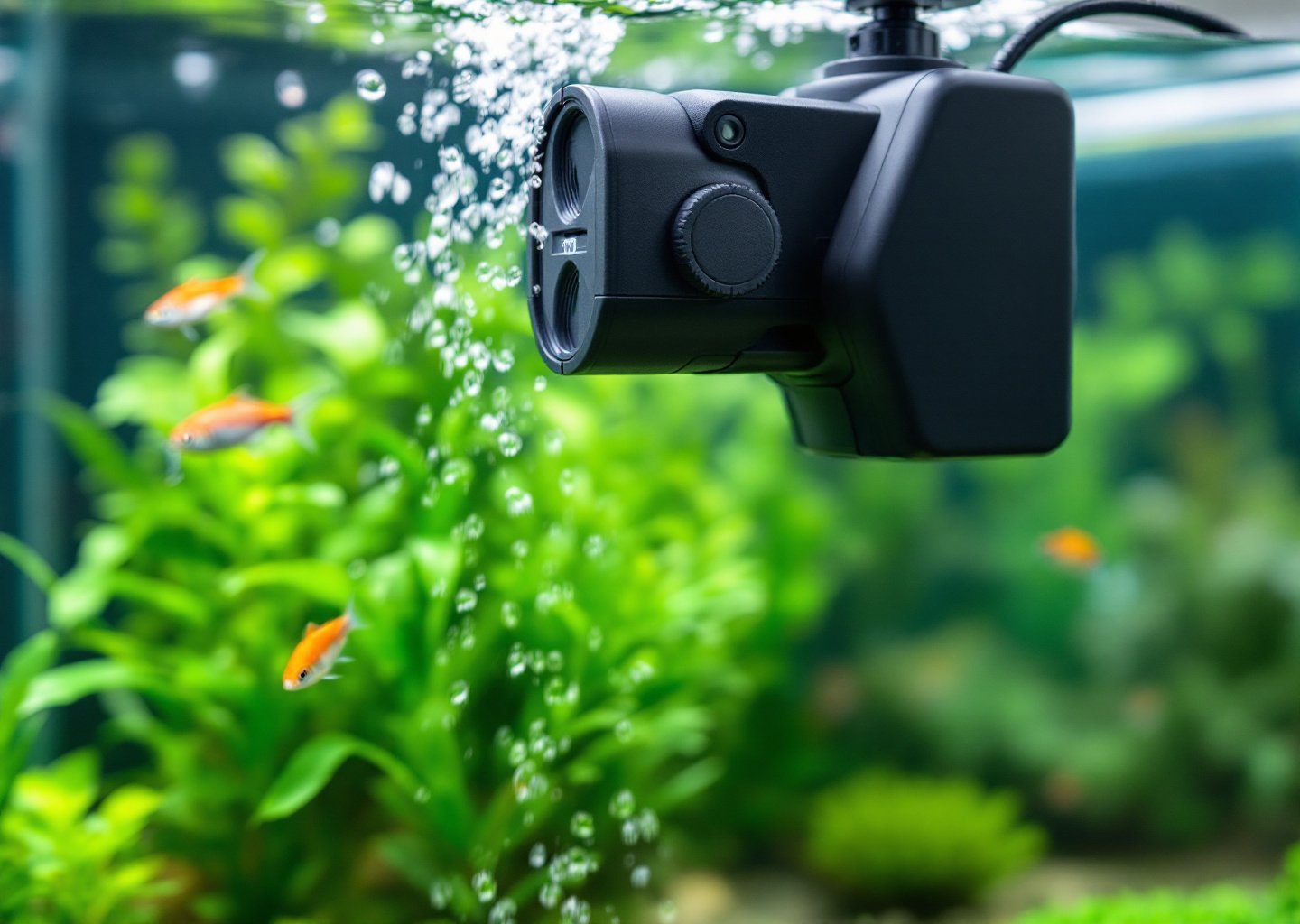
Aqueon QuietFlow 50 HOB Filter Review: Six Months of Obsessive Testing
Six months ago, I unboxed an Aqueon QuietFlow 50 and immediately rolled my eyes at the packaging. “Quiet” is slapped right there in the name, which in my experience usually means “slightly less obnoxious than a garbage disposal.” I’ve been burned before. My Marineland from college sounded like a miniature waterfall crashing onto rocks, and I’d wake up at 3 AM convinced something was leaking.
So I decided to do something a little obsessive. I tracked this filter’s performance with the dedication of someone who has seven tanks in a 750-square-foot apartment and a partner who already thinks I’ve lost it. Decibel readings, flow rate measurements, media experiments. The whole thing. This Aqueon QuietFlow 50 HOB filter review is the result of that borderline excessive documentation.
Here’s the thing about filter reviews: most of them are written after a week of use. Maybe two weeks if the reviewer’s thorough. But filters change. Impellers wear. Bio-media colonizes. That pristine “quiet” operation you read about in glowing Amazon reviews? It might sound completely different after the motor breaks in.
I wanted to know what actually happens over time. Does the QuietFlow 50 stay quiet? Does the flow rate hold up? Is it worth the price point when I could’ve grabbed a used Fluval C4 for similar money?
My test tank was a 40-gallon breeder with a mix of tetras, corydoras, and more Amazon sword plants than any reasonable person needs. Moderate bioload, regular maintenance schedule. Real conditions, not a sterile laboratory setup.
QuietFlow 50 Specifications vs. Reality: What the Box Says vs. What My Tests Showed
Packaging claims 250 GPH flow rate, suitable for tanks up to 50 gallons. Let’s talk about those numbers.
Claimed specs:
– 250 GPH flow rate
– Tanks up to 50 gallons
– Self-priming
– Auto-Start feature
My actual measurements:
– Day 1 flow rate: 232 GPH (measured with a flow meter)
– 50-gallon claim: Technically true, but I’d call it underpowered for heavily stocked 50s
– Self-priming: Worked perfectly every time. Impressed here, honestly.
That 250 GPH rating? It’s measured under ideal conditions with zero media resistance. Once you add cartridges, sponges, or any real filtration media, you’re losing output. My 232 GPH reading came with the stock cartridge installed. By month three, with a gunked-up cartridge I’d intentionally let go too long, I measured 178 GPH.
For a moderately stocked 40-gallon breeder, this was totally adequate. But if you’re eyeing this as the best hang-on-back filter for 50-gallon tank setups with heavy bioloads? Consider supplementing with a sponge filter or sizing up to the QuietFlow 75.
The Noise Truth: Aqueon QuietFlow 50 Noise Level Test Results
Okay, the part you actually came here for. I took decibel readings with a smartphone app (not laboratory-grade, but consistent enough for comparison) at three points during my test period.
Day 1: 28 dB at 2 feet from tank
Month 3: 31 dB at 2 feet from tank
Month 6: 34 dB at 2 feet from tank (with periodic rattling)
For context, a quiet library runs about 30–40 dB. So we’re talking quiet operation, at least initially. The Aqueon QuietFlow 50 noise level test surprised me. I expected worse.
But here’s the catch. Around month four, I started getting an intermittent rattle. It drove me absolutely crazy. That sound would come and go, seemingly at random. After some troubleshooting, I found the culprit: the impeller housing had developed a tiny gap that let the impeller wobble during high-flow moments.
How to reduce Aqueon QuietFlow 50 noise (the rattle fix):
- Unplug the filter
- Remove the impeller cover and lift out the impeller
- Check the magnetic impeller for debris or calcium buildup
- Add a small piece of filter floss around the impeller shaft (not blocking flow)
- Reassemble and test
This fixed my rattle completely. Performance went back to 31 dB territory and has stayed there through month six.
Also worth mentioning: water level matters enormously. Keep your tank water level high enough that the outflow doesn’t splash. That splash is 90% of what people complain about with HOB filters. It’s not the filter. It’s the waterfall effect.
Flow Rate Deep Dive: Aqueon QuietFlow 50 Flow Rate GPH and Tank Size Reality
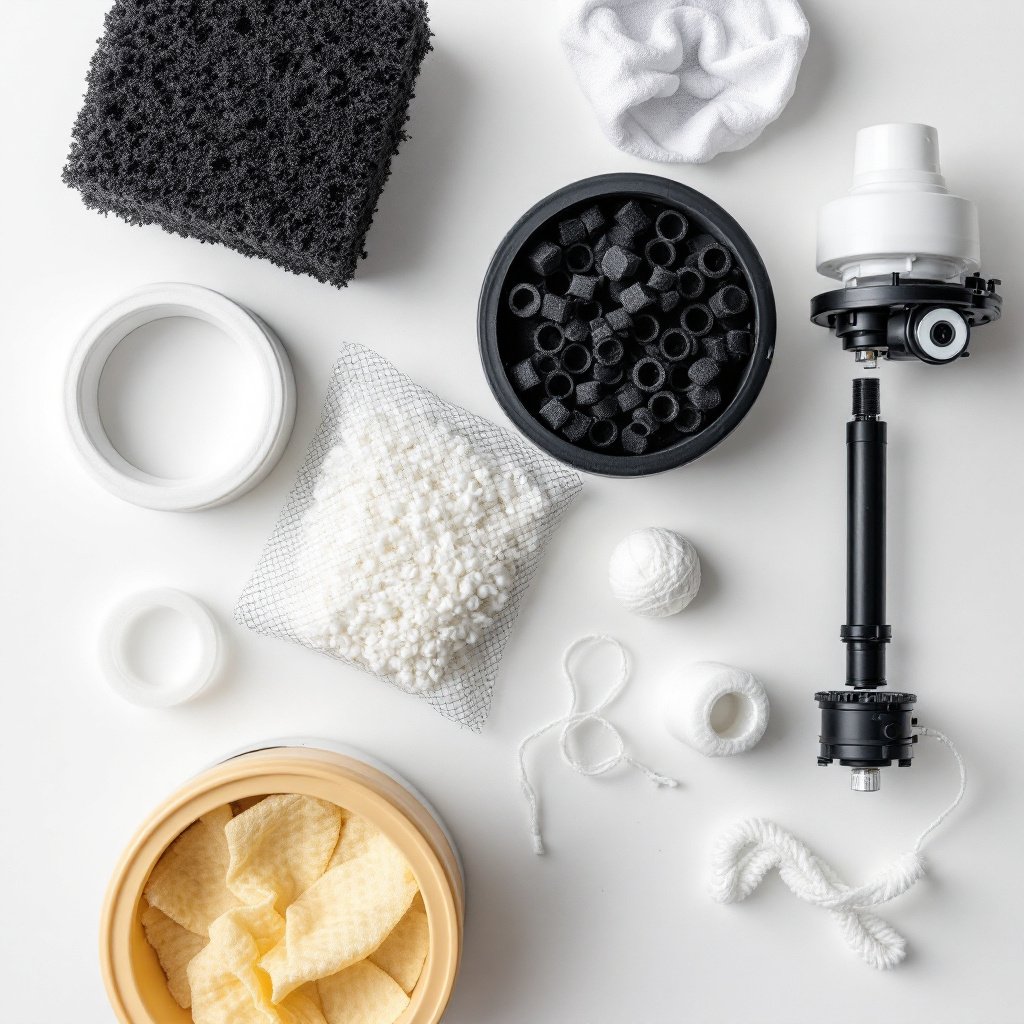
The Aqueon QuietFlow 50 flow rate GPH numbers deserve a closer look, because the relationship between advertised flow and actual filtration capacity confuses a lot of newer hobbyists.
Here’s the general rule: you want 4–6x tank turnover per hour for community tanks. So a 50-gallon tank needs 200–300 GPH of actual flow. On paper, the QuietFlow 50’s 250 GPH rating barely squeaks by at the low end.
In practice? You’re getting maybe 200 GPH with a clean filter and closer to 150–180 GPH with normal media buildup. That’s fine for a lightly stocked 50-gallon or a moderately stocked 30–40 gallon. It’s not enough for a heavily planted 50-gallon with a serious fish load.
Here’s my honest recommendation for tank sizes:
- 20–30 gallons: Perfect match. Plenty of flow, zero concerns.
- 35–45 gallons: Good choice for moderate stocking levels.
- 50 gallons: Acceptable only for light stocking or with supplemental filtration.
- 55+ gallons: Size up. Get the QuietFlow 75 or pair with another filter.
Head-to-Head: Aqueon QuietFlow 50 vs. Marineland Penguin 200 vs. Fluval C4
I’ve run all three of these filters on various tanks over the years, so let’s compare based on real use rather than spec sheets.
Aqueon QuietFlow 50 vs. Marineland Penguin 200:
Marineland runs louder. Period. Its Bio-Wheel creates a constant hum that bothers me in quiet rooms. QuietFlow 50 wins on noise hands down.
Filtration quality? Nearly identical. Both do the job adequately with stock media. Both benefit enormously from custom media modifications.
The Marineland’s Bio-Wheel is theoretically a biological filtration advantage, but honestly? I’ve never noticed a meaningful difference in tank stability between the two. Bio-Wheel looks cool, I’ll give it that.
Price: Prices for both filters fluctuate, so check current listings to compare. Sometimes the QuietFlow 50 is cheaper, sometimes they’re priced similarly.
My pick: QuietFlow 50
Aqueon QuietFlow 50 vs. Fluval C4:
Different league. Fluval C4 offers significantly more media customization, a larger capacity, and better build quality. It also costs more, though the exact price difference varies by retailer and availability.
The C4’s multi-stage filtration design with separate mechanical, chemical, and biological compartments is superior. If you’re serious about filtration and have the budget, the Fluval is worth the extra money.
But for apartment dwellers and budget-conscious hobbyists? QuietFlow 50 gets 80% of the results at a lower price point. That math works for me.
Betta Tank Verdict: Is the Aqueon QuietFlow 50 Good for Betta Tanks?
Short answer: it’s too powerful without modification.
Long answer: bettas hate strong current. Their flowy fins act like sails, and they exhaust themselves fighting against the outflow. QuietFlow 50’s output, even at reduced capacity, will stress most bettas in tanks under 20 gallons.
That said, you can make it work with a proper baffle. Here’s my Aqueon QuietFlow 50 baffle for betta setup that actually works:
DIY Baffle Instructions:
Materials needed:
– A plastic water bottle (I used a Smartwater bottle; thin plastic works best)
– Scissors or a craft knife
– Aquarium-safe silicone (optional, for securing)
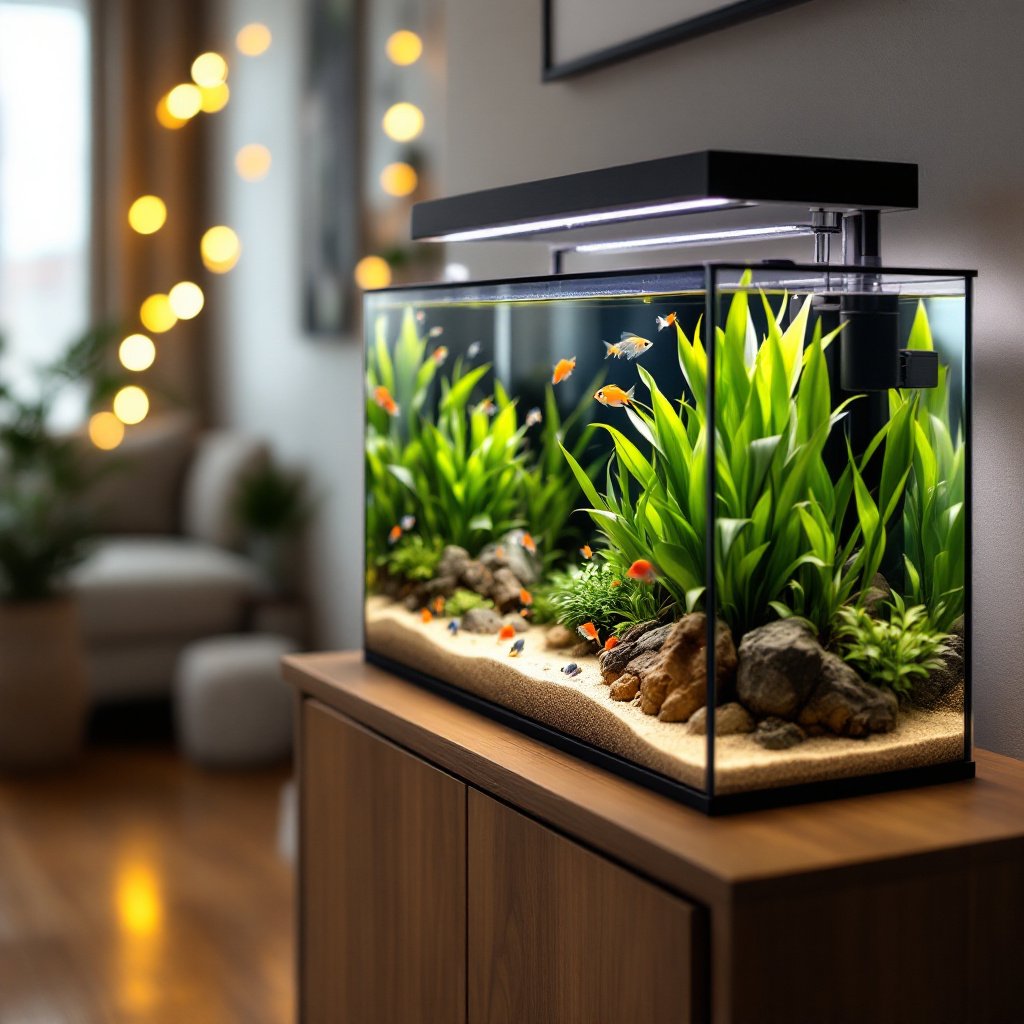
Steps:
- Cut the top and bottom off your water bottle
- Cut the remaining cylinder lengthwise to create a flat piece
- Trim it to match the width of the filter outflow
- Curve the plastic so it cups under the outflow, directing water down toward the tank surface rather than straight out
- Wedge it in place or secure with silicone
This drops the surface agitation by roughly 70% and creates a gentle current instead of a jet stream. A friend of mine runs this exact setup on her 10-gallon betta tank without issues.
Still, if your primary question is whether the Aqueon QuietFlow 50 is good for betta tanks, I’d honestly suggest the QuietFlow 10 or 20 instead. Less modification required, same reliable brand.
The Cartridge Trap: Replacement Costs vs. Custom Media Setups
Here’s where Aqueon quietly makes their money back.
Stock cartridges cost around $5–7 each. Aqueon recommends replacing them monthly. That’s $60–84 per year in ongoing costs, which actually exceeds the filter’s purchase price by month 12.
And here’s the frustrating part: you shouldn’t replace cartridges monthly anyway. Doing so destroys your beneficial bacteria colony every single time. What’s the point of biological filtration if you’re constantly starting over?
My recommendation: Skip the cartridge replacement cycle entirely.
Best filter media for Aqueon QuietFlow 50 (my custom setup):
- Remove the stock cartridge holder
- Add a coarse sponge at the intake (mechanical filtration; rinse in tank water monthly)
- Fill the main chamber with ceramic bio-media or Seachem Matrix (biological filtration; rarely needs replacement)
- Add a thin layer of filter floss on top (polishing; replace when gross)
- Optional: small bag of activated carbon if you’re removing medications or tannins
Total media cost: about $20–25. Replacement cost per year: maybe $5 for new filter floss.
This QuietFlow 50 setup and installation approach also improves filtration quality. Stock cartridges are fine, but dedicated bio-media provides significantly more surface area for beneficial bacteria.
The question of how often to replace the Aqueon QuietFlow filter cartridge becomes irrelevant when you’re not using cartridges.
After six months with the Aqueon QuietFlow 50, here’s where I’ve landed.
Buy this filter if you:
– Have a 20–40 gallon tank with moderate stocking
– Want quiet operation (especially in living spaces or bedrooms)
– Don’t mind customizing your media setup
– Need reliable self-priming after power outages
– Want solid performance without premium pricing
Skip this filter if you:
– Have a heavily stocked 50+ gallon tank
– Keep bettas and don’t want to DIY a baffle
– Want maximum filtration capacity
– Prefer set-and-forget cartridge systems
My final rating: 7.5/10
QuietFlow 50 does exactly what a mid-range HOB should do. It’s quiet (mostly), reliable, and adequately powerful for its intended tank range. It’s not exceptional at anything, but it doesn’t fail at anything either.
For my Portland apartment, where I’m constantly negotiating tank real estate with my partner, the noise reduction alone makes it worth the price. I’ve since added QuietFlow filters to two of my other nano tanks, and this Aqueon QuietFlow 50 HOB filter review reflects a product I use and recommend.
Just budget for custom media from day one, fix the rattle when it inevitably appears, and don’t believe the 50-gallon rating for anything but lightly stocked setups.
Happy fishkeeping. And if you’re reading this because you’re researching your first filter purchase, congrats on doing the homework. That’s already more effort than I put in before poor Gerald met his untimely end. Learn from my uncycled tank disaster, and you’ll be fine.