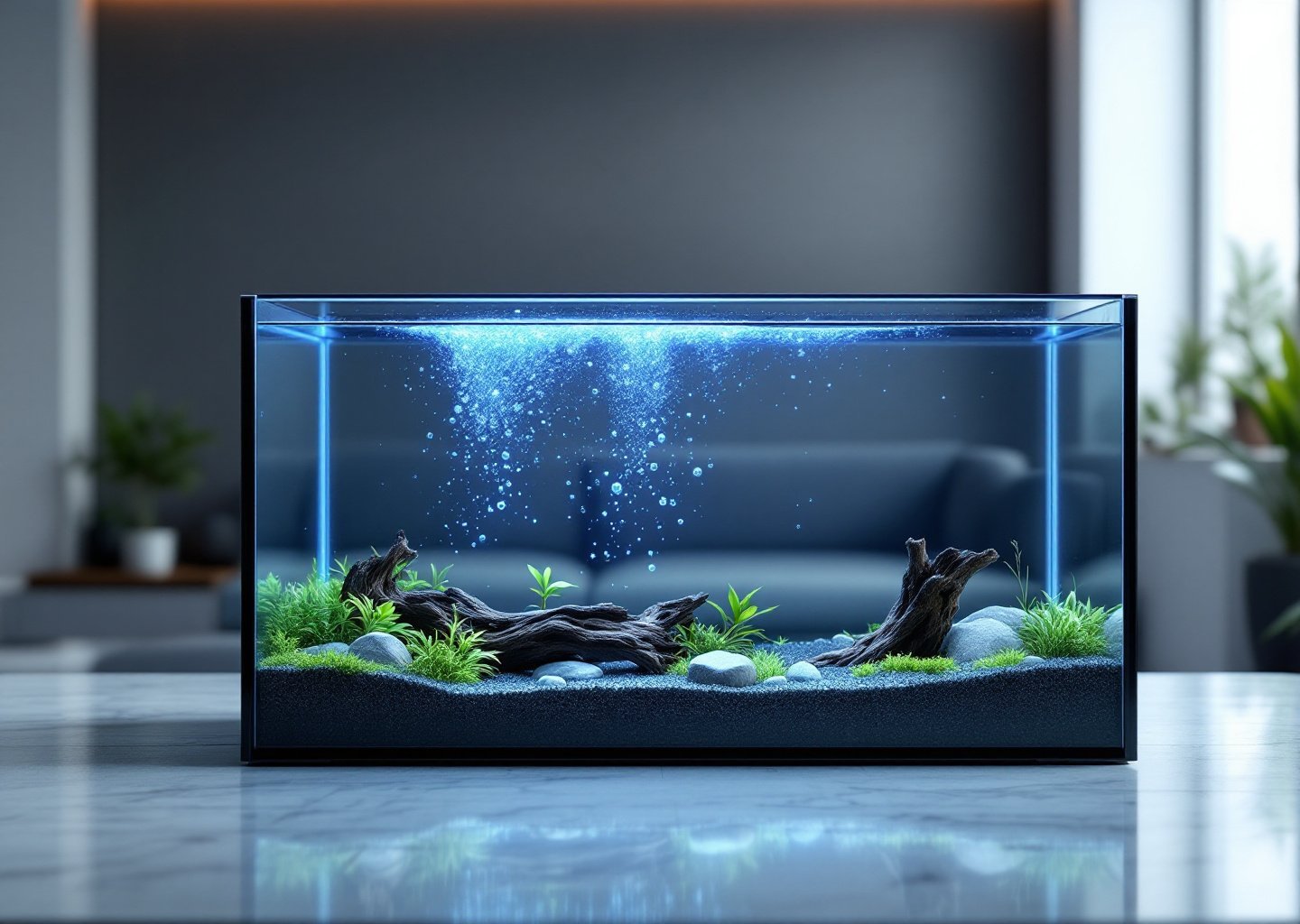
Let me tell you about Gerald. Gerald was a beautiful blue betta who lasted exactly eleven days in my care. The pet store employee told me I could take him home that same afternoon, drop him in his new tank, and watch him thrive. Gerald didn’t thrive. Gerald became my first lesson in why most beginner guides completely fail new fishkeepers.
Here’s the thing about most beginner fish tank setup guides: they cover the exciting parts (picking fish! decorating!) and completely gloss over the boring, unglamorous reality of what happens in weeks two and three. You know, the weeks where your tank looks empty and you’re questioning every life choice that led you here.
I’ve since set up seven nano tanks in my Portland apartment, and I’ve learned that the difference between success and a floating fish funeral isn’t better equipment or prettier plants. It’s patience. And a realistic timeline.
What follows walks you through exactly what to do each day of your first month. Not the highlights reel. The whole thing, including the stretches where you’re literally just… waiting. Because nobody told me about the waiting, and Gerald paid the price.
Days 1-2: Equipment Basics and the $150 vs $300 Setup Reality Check
Before we talk timelines, let’s talk money. And let’s be honest about it.
Aquarium Setup Cost Breakdown 2024
The $150 Budget Setup:
– 10-gallon tank with hood and light: $40-50
– Hang-on-back filter: $20-25
– Adjustable heater (50W): $15-20
– Thermometer: $3-5
– Water conditioner: $8
– Test kit (liquid, not strips): $25-30
– Substrate: $15-20
– Basic decorations/plants: $20-30
The $300 “I Want Nice Things” Setup:
– 20-gallon rimless tank: $80-100
– Quality canister or HOB filter: $50-70
– Reliable heater with guard: $30-40
– LED plant light: $40-60
– Full liquid test kit: $30
– Planted substrate: $25-35
– Live plants and hardscape: $50-80
What size aquarium works best for beginners? Honestly, I recommend a 10 or 20-gallon. I know the 5-gallon kits look tempting (and space-friendly for us apartment dwellers), but smaller tanks are actually harder to maintain. Water parameters swing faster, and your margin for error shrinks dramatically.
Day 1 Action Items
Set up your tank in its permanent location. Why does this matter so much? Water weighs about 8 pounds per gallon. A filled 20-gallon tank weighs close to 200 pounds. You’re not moving this thing.
Rinse your substrate thoroughly until the water runs clear. Don’t use soap. Ever. Add your hardscape and any decorations. Fill with dechlorinated water.
Day 2 Action Items
Install your filter and heater. Turn everything on. Check for leaks (yes, really). Make sure your heater is fully submerged and your filter is creating good surface agitation.
Now here’s the part nobody mentions: step away. All the freshwater aquarium equipment you need is in place. The tank looks gorgeous and empty. And it needs to stay that way for a while.
Days 3-7: The Cycling Truth, What’s Actually Happening in Your “Empty” Tank
Most people mess up right here. The tank looks ready. Clear water. Perfect temperature. Why wait?
Because your tank is basically toxic right now. nitrogen cycle explained Understanding how to cycle a new fish tank properly is the single most important thing separating successful fishkeepers from people like me circa 2019, crying over Gerald.
The Science (Simplified)
Fish produce ammonia through waste and respiration. Ammonia burns gills and kills fish. Beneficial bacteria called Nitrosomonas convert ammonia to nitrite. Nitrite also kills fish. Different beneficial bacteria called Nitrobacter convert nitrite to nitrate. Nitrate is tolerable in small amounts.
A new tank needs to grow these bacteria colonies before it can support life. We call this process cycling, and it takes 2-4 weeks minimum.
Days 3-7 Tasks
Day 3: Add your ammonia source. You can use pure ammonia (Dr. Tim’s is popular) or fish food that’ll decompose. Dose to 2-4 ppm ammonia. Yes, you’re intentionally making your water toxic.
Day 5: Test your water. You’ll likely see ammonia and nothing else. That’s normal. Resist the urge to change anything.
Day 7: Test again. You might see a tiny nitrite reading. Celebrate this! Bacteria are growing.
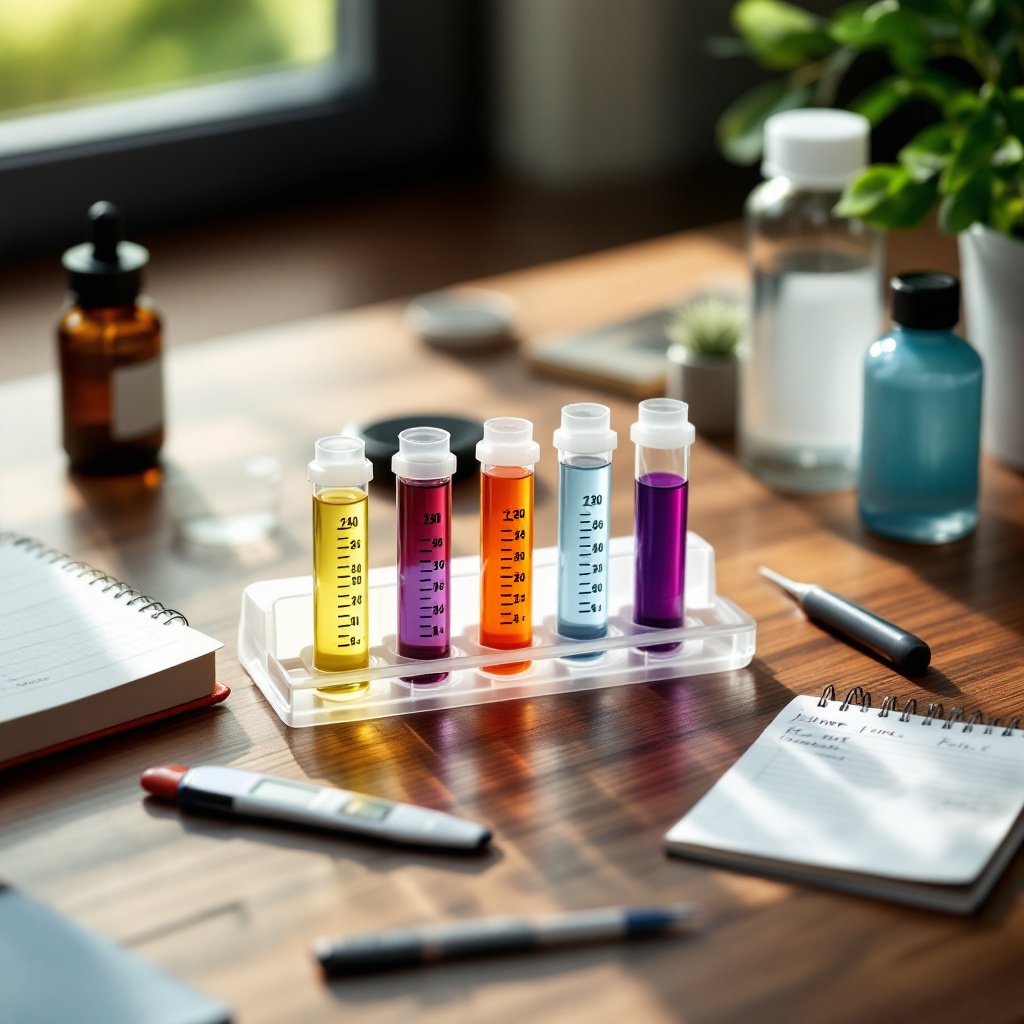
Feels pointless, doesn’t it? I spent the week obsessively checking my thermometer and rearranging fake plants. But this boring week is building the invisible ecosystem that’ll keep your fish alive.
Days 8-14: Testing, Waiting, and the Mistakes That Reset Your Progress to Zero
Welcome to the most frustrating week of your beginner fish tank setup journey. You’re probably seeing ammonia dropping and nitrites rising. Good news. Also agonizing.
What Your Tests Should Show
By day 10-12, you might see:
– Ammonia: dropping from initial dose
– Nitrite: rising (possibly spiking high)
– Nitrate: starting to appear
Common Beginner Aquarium Mistakes to Avoid
Changing the water because it “looks dirty”: Don’t. You’ll remove the bacteria you’re trying to grow.
Cleaning the filter: Absolutely not. That brown gunk buildup? That’s beneficial bacteria. Leave it.
Adding “quick start” products and fish the next day: These products can help, but they’re not magic. They might speed things up by a few days, not skip the process entirely.
Stopping because nothing seems to be happening: Bacterial growth is invisible. Trust the process. Trust your test kit.
Daily Tasks, Days 8-14
Test every other day. Log your results. I know this sounds tedious, but you need to see the trend lines. If ammonia stays flat or rises again, dose more. Keep your bacteria fed.
Watch your temperature. It should stay between 78-82°F for optimal bacterial growth.
And wait. I spent this week designing my eventual aquascape on paper, researching fish, and convincing my partner that a second tank would “barely take up any space.” (It worked, eventually.)
Days 15-21: Signs Your Tank Is Ready (and the Ones That Lie to You)
You’ll feel the most tempted to add fish right about now. Ammonia might be processing faster. Nitrites might be dropping. But don’t trust your excitement. Trust your tests.
Real Signs That the Cycle Is Complete
A tank is ready when it can process 2-4 ppm ammonia to 0 ammonia and 0 nitrite within 24 hours. Not 48 hours. Not “close to zero.” Zero.
Test in the morning. If both read zero by the next morning, dose ammonia again. Did it process again in 24 hours? Do this three times successfully. Then you’re actually ready.
Fake Signs That Lie to You
Clear water: Meaningless. Crystal clear water can still be ammonia soup.
No smell: Also meaningless. Toxic water often smells fine.
“It’s been two weeks, that should be enough”: Cycles take as long as they take. I’ve had tanks cycle in 18 days. I’ve had one take 35 days. Bacteria don’t care about your schedule.
Nitrate presence: Having nitrates just means the cycle has started, not finished. You need the full chain working efficiently.
Days 15-21 Tasks
Keep testing. Keep dosing ammonia to feed your bacteria. Do a 50% water change once your cycle is confirmed complete to bring nitrates down before adding fish.
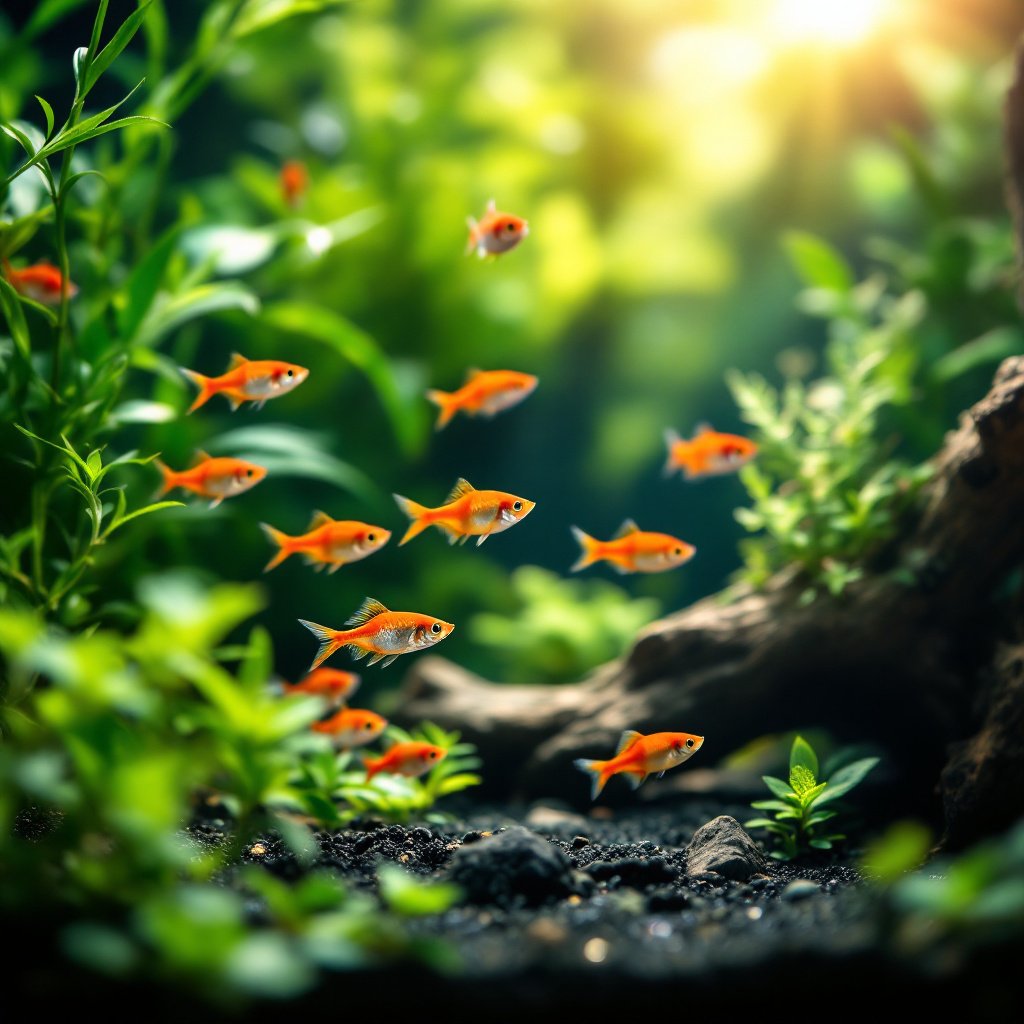
Great week to finalize your fish list, too. Research what you actually want to keep. Cycling a fish tank safely doesn’t matter if you stock incompatible species afterward.
Days 22-30: Adding Your First Fish, The Slow Stocking Method That Prevents Disasters
Tests confirmed three consecutive 24-hour ammonia processing cycles. You did a water change. Nitrates are under 20 ppm. It’s finally time.
But here’s where I see people snatch defeat from the jaws of victory. They go to the fish store and come home with twelve fish because “the tank is ready now.”
A cycled tank can handle bioload. But not unlimited bioload instantly. Bacterial colonies grew to match the ammonia you were dosing. A sudden influx of fish waste can still overwhelm them.
Best Freshwater Fish for First Time Owners
For a 10-gallon tank, consider:
– A single betta (not with other bettas, obviously)
– 6-8 ember tetras or celestial pearl danios
– A small group of endler’s livebearers
– 6 pygmy corydoras
For a 20-gallon, you have more options:
– 8-10 neon or cardinal tetras
– 6 panda or bronze corydoras
– A honey gourami centerpiece
– Harlequin rasboras
best beginner fish species profiles Research compatibility before buying. Some “beginner friendly” fish get huge or aggressive.
Hardy Beginner Fish That Survive Mistakes
White cloud mountain minnows, zebra danios, and platies consistently survive beginner errors. They’re not the most exciting choices, but they’re forgiving while you learn.
The Slow Stocking Schedule
Day 22-23: Add your first 3-4 small fish. Float the bag 15 minutes for temperature, then slowly add tank water to the bag over another 15-20 minutes before releasing.
Days 24-27: Monitor closely. Test water daily. Watch for stress signs (gasping at surface, clamped fins, hiding constantly). Feed sparingly, once daily.
Days 28-30: If parameters are stable and fish are thriving, you can consider adding a second small group.
Never add your full stocking list at once. Space additions 1-2 weeks apart and test between each addition.
You survived thirty days. The beginner fish tank setup journey is complete, and you have living fish to show for it. Gerald would be proud.
Ongoing Maintenance
Weekly: 20-25% water change, test parameters, clean glass, trim dead plant leaves
Monthly: Rinse filter media in old tank water (never tap), check equipment, vacuum substrate
Don’t: Over-clean, over-feed, or over-stock
When to Add More Fish
Wait at least two weeks between fish additions. Always test before buying new fish. If ammonia or nitrite appear after adding fish, hold off on more until things stabilize.
A fully cycled, properly stocked beginner tank is actually less work than most people expect. The hard part is the front-loaded patience and the discipline to wait when everything in you wants to rush.
And look, I know this budget friendly freshwater aquarium setup guide asked a lot of you. Four weeks of mostly watching water before getting fish feels absurd. But I’ve now kept fish alive for years. Seven tanks, zero casualties since Gerald.
That’s the payoff for following the boring timeline. Living fish that stay living.
Now go enjoy your tank. And maybe start thinking about where you’d put a second one. There’s always room for one more.